American Airlines and Google Harness AI to Combat Climate Impact from Aviation Contrails
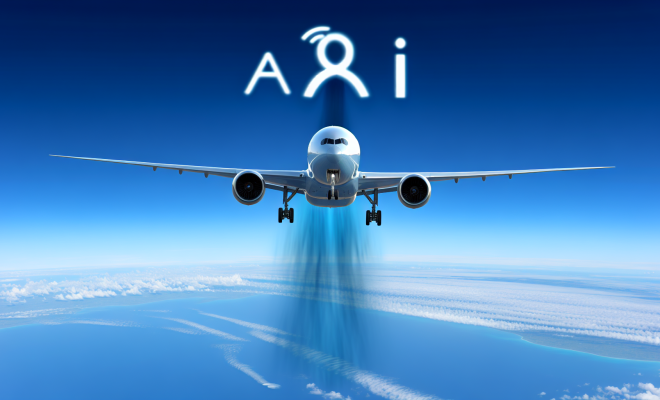
In a groundbreaking initiative, American Airlines and Google have joined forces to tackle one of the lesser-known environmental impacts of air travel: contrails. These clouds, which form when aircraft fly through cold, humid air, can trap heat in the atmosphere, contributing to climate change. By utilizing an AI-based forecasting tool, the partnership aims to significantly reduce these contrail formations, thereby decreasing the overall climate impact of aviation.
Understanding Contrails and Their Environmental Impact
Contrails, short for condensation trails, occur when water vapor from aircraft engine exhaust meets the cold air at high altitudes, resulting in ice crystal formations. While contrails may seem innocuous, they have a substantial environmental footprint. Research indicates that they can contribute to global warming by trapping heat in the atmosphere, with some studies suggesting that they may have twice the warming effect of carbon dioxide emissions from aviation.
The Role of AI in Forecasting Contrail Formation
The collaboration between American Airlines and Google revolves around an advanced AI-driven forecasting tool that predicts when and where contrails are likely to form during flights. This predictive capability allows pilots to adjust their flight paths proactively, avoiding the atmospheric conditions that lead to contrail formation.
The AI model analyzes a variety of factors, including temperature, humidity, and altitude, to provide real-time data that informs flight planning. By leveraging this technology, airlines can optimize routes not just for time and fuel efficiency, but also for minimizing their environmental impact.
Reducing Aviation’s Climate Footprint
The aviation industry is under increasing scrutiny for its contribution to climate change, with air travel accounting for nearly 2.5% of global greenhouse gas emissions. In an effort to mitigate this impact, American Airlines and Google’s initiative represents a significant step toward more sustainable aviation practices.
By reducing contrail formation, the airlines can lower the climate impact of individual flights. This is particularly crucial given the projected growth of air travel in the coming decades. According to the International Air Transport Association (IATA), air traffic is expected to double by 2037, making it imperative for the industry to adopt innovative solutions to reduce its carbon footprint.
Benefits of the AI-Based Approach
- Environmental Sustainability: By minimizing contrail formation, airlines can significantly reduce their contributions to climate change.
- Operational Efficiency: The AI tool not only aids in environmental efforts but also helps airlines optimize flight paths, potentially reducing fuel consumption and operational costs.
- Enhanced Public Perception: As consumers become more environmentally conscious, demonstrating a commitment to sustainability can enhance the public image of airlines.
Challenges and Future Prospects
While the collaboration between American Airlines and Google is promising, challenges remain in the widespread adoption of such AI technologies across the aviation sector. Factors such as regulatory hurdles, the need for industry-wide collaboration, and the integration of AI tools into existing flight management systems must be addressed.
Moreover, as the technology continues to evolve, further research is needed to refine the AI models and enhance their predictive capabilities. The objective is to create a comprehensive approach that not only addresses contrail formation but also integrates other environmental sustainability aspects, such as fuel consumption and emissions reduction.
The Path Ahead
The partnership between American Airlines and Google serves as a model for how technology can be leveraged to address pressing environmental issues in the aviation sector. As other airlines look to follow suit, the success of this initiative could inspire similar collaborations aimed at using AI and data analytics to improve sustainability in various industries.
In the coming years, as the demand for air travel continues to grow, it will be crucial for the aviation industry to adapt and innovate. The use of AI in forecasting contrail formation is just one example of how technology can pave the way for a more sustainable future in aviation.
Conclusion
The collaboration between American Airlines and Google highlights the potential of artificial intelligence in combating the environmental issues associated with air travel. As the industry faces increasing pressure to reduce its carbon footprint, initiatives like this one could play a pivotal role in shaping a more sustainable future for aviation. By embracing innovative technologies, airlines can not only contribute to global sustainability efforts but also enhance their operational efficiency and public perception.