U.S. Industrial Production Shows Resilience Amid Economic Uncertainty
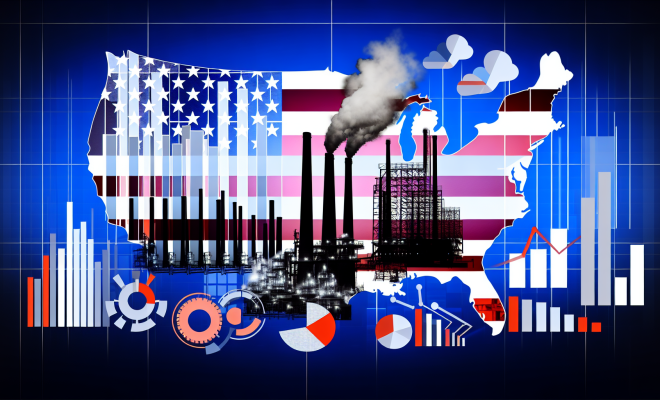
The latest economic data highlights a cautious but optimistic trend in U.S. industrial production, as several key indicators demonstrate growth despite challenges posed by external factors, such as geopolitical tensions and fluctuating energy prices. As of March 20, 2026, the overall industrial production in the United States has increased by 1.4% year-over-year, with manufacturing specifically rising by 1.3%.
Capacity Utilization Trends
Capacity utilization, a crucial measure of how much of the potential output is being used in the manufacturing sector, remained steady at 76.3%. This figure represents the highest level recorded since July of the previous year; however, it still falls short of the long-term average of 79.5%. The current capacity utilization rate indicates that while there is an upward trend, there is still room for growth in production capabilities.
Positive Signals from the Philadelphia Fed
The Philadelphia Federal Reserve’s Manufacturing Outlook Survey has provided further evidence of expansion within the manufacturing sector. The survey’s general activity index stands at 18.1, suggesting that manufacturers are experiencing a positive outlook. Key components of the survey indicated:
- New Orders: Growth in new orders points to increased demand for manufactured goods.
- Rising Shipments: An uptick in shipments reflects enhanced operational efficiency and market confidence.
- Employment Growth: Positive trends in employment suggest that businesses are hiring to meet increased production demands.
- Accelerating Prices: Rising prices within the sector indicate inflationary pressures but also a willingness to invest in growth.
Producer Prices on the Rise
In a related economic development, producer prices have shown significant annual growth. The headline producer price index (PPI) has increased by 3.4% year-over-year, while the core PPI, which excludes food and energy prices, has risen by 3.5%. This marks the largest increase in producer prices since February 2025, highlighting the ongoing inflationary trends affecting the economy.
Federal Reserve’s Stance on Interest Rates
Amidst these positive economic indicators, the Federal Open Market Committee (FOMC) has opted to maintain the federal funds rate at 3.5%–3.75%. This decision reflects the Fed’s assessment of the current economic landscape, characterized by robust growth that outpaces inflation, but also acknowledges the uncertainties arising from international conflicts, particularly the ongoing war in Iran.
Impact of Geopolitical Tensions on Energy Prices
The geopolitical situation has significantly impacted energy markets, with oil prices rising above $119 per barrel for Brent crude. Additionally, European natural gas prices have reached approximately $21 per MMBtu equivalent. These rising energy costs pose challenges for manufacturers who rely on stable energy prices to maintain production efficiency.
Looking Ahead: Challenges and Opportunities
As the manufacturing sector in the U.S. continues to show resilience, businesses must navigate the challenges posed by rising input costs and the potential impact of geopolitical instability. The current economic indicators suggest that while there is growth, inflationary pressures may necessitate adjustments in pricing strategies across various sectors.
Moreover, companies looking to capitalize on the prevailing positive trends must also consider the long-term implications of capacity utilization rates. A sustained focus on innovation and efficiency will be crucial in enhancing production capabilities and responding to market demands.
Conclusion
The recent economic data presents a mixed but hopeful outlook for the U.S. manufacturing sector. With industrial production on the rise and positive signals from key surveys, manufacturers are in a position to drive growth. However, vigilance is required to manage the challenges of inflation and external uncertainties. As businesses adapt to these dynamics, the overall health of the economy will depend on their ability to leverage opportunities while mitigating risks.