Still at Risk: New 2026 Initiative Fights Postpartum Hypertension
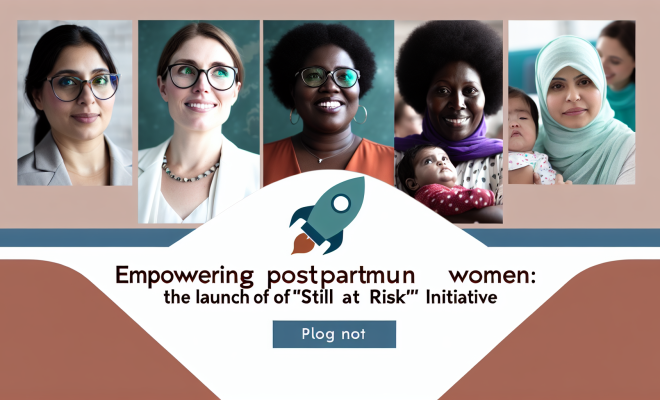
On March 12, 2026, a pivotal moment in women’s health was marked by the launch of the ‘Still at Risk’ initiative, aimed at raising awareness about postpartum hypertension. This initiative was unveiled at the U.S. Department of Health and Human Services’ National Conference on Women’s Health and represents a collaborative effort between the Preeclampsia Foundation, the American Medical Association (AMA), the American Heart Association, and Premier Inc..
The Importance of Awareness
Postpartum hypertension poses significant health risks to women in the months following childbirth. It can lead to severe health complications, including heart disease, stroke, and even death. According to the Centers for Disease Control and Prevention (CDC), approximately 1 in 10 women experience high blood pressure after giving birth, making awareness and timely intervention critical.
A Unique Approach with Wristbands
The ‘Still at Risk’ initiative introduces a novel tool in the fight against postpartum hypertension: specially designed wristbands. These wristbands serve as a tangible reminder for healthcare providers and patients alike about the increased risk of hypertension faced by postpartum women. The initiative aims to ensure that both women and their healthcare teams remain vigilant in monitoring blood pressure levels.
Collaboration for Change
This initiative is a part of a larger public-private partnership that aims to improve health outcomes for women during the postpartum period. The collaboration received a significant boost from a letter of support sent by the AMA on March 4, just days before the launch. In the letter, the AMA underscored the importance of addressing postpartum health issues and the need for effective strategies to educate and support women.
Expert Support and Commitment
Dr. Dorothy Fink, Deputy Assistant Secretary for Women’s Health at HHS, highlighted the department’s commitment to this initiative during the conference. She emphasized that addressing postpartum hypertension is a crucial aspect of improving women’s health and that collaborative efforts like ‘Still at Risk’ are essential in tackling these dangerous healthcare challenges.
Why Postpartum Health Matters
The postpartum period, often referred to as the fourth trimester, is a critical time for new mothers. Many women are focused on their newborns and may overlook their health needs. However, postpartum hypertension can manifest subtly and may go unnoticed without proper monitoring. By raising awareness through initiatives like ‘Still at Risk’, the aim is to empower women and healthcare providers to prioritize postpartum health.
Next Steps for the Initiative
The next phase of the initiative will focus on widespread distribution of the wristbands to hospitals and birthing centers across the country. Healthcare providers will be trained on how to use these wristbands effectively to identify women at risk of developing hypertension. The initiative will also include educational materials aimed at informing new mothers about the signs and symptoms of hypertension.
Community Engagement
In addition to the healthcare-focused aspects, the ‘Still at Risk’ initiative will engage with community organizations to spread awareness about postpartum health issues. By leveraging social media, workshops, and community health fairs, the initiative aims to reach a broader audience. This grassroots approach will help ensure that women are informed about their health risks and know how to seek help.
Looking Ahead
The launch of the ‘Still at Risk’ initiative marks a significant step forward in addressing the critical issue of postpartum hypertension. The collaborative efforts of various health organizations, supported by federal health authorities, signal a growing recognition of the importance of maternal health. As the initiative takes root, it is expected to not only improve awareness but also lead to better health outcomes for women across the nation.
Ultimately, this initiative is about more than just wristbands; it is about creating a culture of awareness and proactive care that prioritizes the health and well-being of new mothers. By equipping women with knowledge and support, we can work towards a future where postpartum health challenges are met with timely intervention and care.