The Tech Edvocate

Top Menu

  • Advertisement
  • Apps
  • Home Page
  • Home Page Five (No Sidebar)
  • Home Page Four
  • Home Page Three
  • Home Page Two
  • Home Tech2
  • Icons [No Sidebar]
  • Left Sidbear Page
  • Lynch Educational Consulting
  • My Account
  • My Speaking Page
  • Newsletter Sign Up Confirmation
  • Newsletter Unsubscription
  • Our Brands
  • Page Example
  • Privacy Policy
  • Protected Content
  • Register
  • Request a Product Review
  • Shop
  • Shortcodes Examples
  • Signup
  • Start Here
    • Governance
    • Careers
    • Contact Us
  • Terms and Conditions
  • The Edvocate
  • The Tech Edvocate Product Guide
  • Topics
  • Write For Us
  • Advertise

Main Menu

  • Start Here
    • Our Brands
    • Governance
      • Lynch Educational Consulting, LLC.
      • Dr. Lynch’s Personal Website
      • Careers
    • Write For Us
    • The Tech Edvocate Product Guide
    • Contact Us
    • Books
    • Edupedia
    • Post a Job
    • The Edvocate Podcast
    • Terms and Conditions
    • Privacy Policy
  • Topics
    • Assistive Technology
    • Child Development Tech
    • Early Childhood & K-12 EdTech
    • EdTech Futures
    • EdTech News
    • EdTech Policy & Reform
    • EdTech Startups & Businesses
    • Higher Education EdTech
    • Online Learning & eLearning
    • Parent & Family Tech
    • Personalized Learning
    • Product Reviews
  • Advertise
  • Tech Edvocate Awards
  • The Edvocate
  • Pedagogue
  • School Ratings

logo

The Tech Edvocate

  • Start Here
    • Our Brands
    • Governance
      • Lynch Educational Consulting, LLC.
      • Dr. Lynch’s Personal Website
        • My Speaking Page
      • Careers
    • Write For Us
    • The Tech Edvocate Product Guide
    • Contact Us
    • Books
    • Edupedia
    • Post a Job
    • The Edvocate Podcast
    • Terms and Conditions
    • Privacy Policy
  • Topics
    • Assistive Technology
    • Child Development Tech
    • Early Childhood & K-12 EdTech
    • EdTech Futures
    • EdTech News
    • EdTech Policy & Reform
    • EdTech Startups & Businesses
    • Higher Education EdTech
    • Online Learning & eLearning
    • Parent & Family Tech
    • Personalized Learning
    • Product Reviews
  • Advertise
  • Tech Edvocate Awards
  • The Edvocate
  • Pedagogue
  • School Ratings
  • The Hidden Cost of EVs: Why Your Battery Could Cost More Than Your Car in 2026

  • Jensen Huang’s Shock Exit: This Unbelievable Scandal Just Rocked Nvidia and the AI World

  • Big Walk developer House House Confirms ‘Sparing’ Use of Gen AI – Press Start

  • Baffling: How a Cyber Breach at South Korea’s Top Security Watchdog Exposed Millions

  • Wenn Ordnung den Bildschirm beruhigt: Warum klare Abläufe Casino-Unterhaltung einladender machen

  • Reddit AI Reviews: The Quiet Reshaping of Online Opinion

  • The Chilling Truth: Iran Cyberattacks Europe’s Food and Blood Supplies

  • Anthropic’s $3.4 Billion Bet on Gas: The Unseen Cost of AI’s Future

  • Tribit FlyBuds C3 Earbuds: Premium Features at a Budget-Friendly Price

  • Is AuraCam Pro’s Emotional AI a Privacy Nightmare or Security Breakthrough?

Tech News
Home›Tech News›Trump Admin Proposes 2026 Student Loan Management Overhaul

Trump Admin Proposes 2026 Student Loan Management Overhaul

By Matthew Lynch
March 20, 2026
0
Spread the love

In a significant restructuring move, the Trump administration has announced plans to transfer the management of federal college loan operations from the U.S. Department of Education to the Treasury Department. This decision, revealed on March 20, 2026, is part of a broader strategy to enhance the efficiency of federal handling of student loans, aiming to streamline processes and potentially alleviate some of the burdens faced by borrowers.

Understanding the Shift

The decision to shift the management of student loans comes amid ongoing discussions about the effectiveness of current systems in place to support millions of American students. By moving these responsibilities to the Treasury, the administration believes that it can leverage the department’s financial expertise to improve loan servicing and collection efforts.

Background on Student Loan Management

Historically, the U.S. Department of Education has overseen federal student loan programs, which include a variety of loans designed to help students afford higher education. This includes the Direct Loan Program, which is the largest federal loan program in the United States. Over the years, this system has faced criticism regarding its complexity, lack of transparency, and the burden of debt on students.

As of 2026, approximately 45 million Americans are estimated to hold student loan debt, collectively amounting to over $1.7 trillion. The administration’s proposal seeks to address the pressing issues faced by these borrowers, including repayment difficulties and the challenges of navigating the loan repayment process.

Implications of the Transfer

The transfer of the student loan function is expected to bring several changes to how loans are serviced and managed:

  • Increased Efficiency: The Treasury Department, with its focus on financial management, may implement more efficient systems for loan servicing, potentially reducing wait times and improving customer service.
  • Streamlined Processes: By centralizing financial operations under the Treasury, the administration aims to create a more cohesive approach to student loans, which could simplify the repayment process for borrowers.
  • Enhanced Financial Oversight: The Treasury’s expertise in financial matters could lead to better oversight and management of funds, ensuring that taxpayer money is utilized effectively.

Reactions to the Announcement

The announcement has drawn mixed reactions from various stakeholders, including education advocates and policymakers. Supporters of the move argue that the Treasury’s financial acumen could lead to improvements in how student loans are managed, ultimately benefiting borrowers.

However, critics warn that such a shift could lead to a more bureaucratic approach to student loans, emphasizing the need for continued advocacy for borrower protections. Senator Elizabeth Warren, a vocal critic of student loan policies, stated, “Shifting student loans to the Treasury could mean more focus on debt collection rather than student support, which is not what borrowers need right now.”

Potential Risks and Benefits

As with any significant policy shift, the transfer of student loan management comes with both potential risks and benefits:

  • Benefits:
    • Improved loan servicing and borrower support.
    • Potential reduction in default rates through better financial management.
    • Increased transparency in the handling of federal funds.
  • Risks:
    • Possible reduction in focus on educational outcomes and support services.
    • Concerns surrounding the treatment of borrowers during the transition period.
    • Increased bureaucracy and potential delays in loan processing.

Looking Ahead

As the Trump administration moves forward with this proposed restructuring, it will be crucial to monitor the impact on borrowers and the overall student loan landscape. While the intention is to create a more efficient system, the success of this transition will depend on how well it is managed and whether it adequately addresses the needs of students.

In conclusion, the shift of college loan functions from the Department of Education to the Treasury Department represents a bold move in the ongoing effort to reform student loan management in the United States. As this initiative unfolds, stakeholders will be watching closely to see if it leads to the desired improvements in efficiency and borrower support, or if it creates new challenges in an already complex system.


Previous Article

Alibaba Stock Plummets: AI Shortcomings & Stiff ...

Next Article

Top Stock Picks for March 2026: Belrise ...

Matthew Lynch

Related articles More from author

  • Tech News

    Oscars 2026 Red Carpet: A Fashion Roast of Hits and Misses

    March 17, 2026
    By Matthew Lynch
  • Tech News

    Cerebras IPO 2026: Will This $35 Billion AI Chip Giant Soar?

    May 11, 2026
    By Matthew Lynch
  • Tech News

    How to fix controller trigger sticking

    June 24, 2026
    By Matthew Lynch
  • Tech News

    10 Proven Strategies to Monetize Your Mobile App by 2026

    June 19, 2026
    By Matthew Lynch
  • Tech News

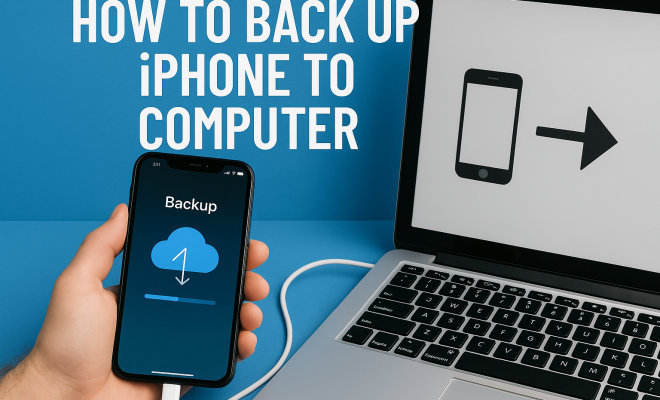
    How to backup iPhone to computer

    June 20, 2026
    By Matthew Lynch
  • Tech News

    Revealed: Your Financial Data Is at Risk – 10 Ways Breaches Are Changing Everything

    August 23, 2026
    By Matthew Lynch

Search

Login & Registration

  • Log in
  • Entries feed
  • Comments feed
  • WordPress.org

Newsletter

Signup for The Tech Edvocate Newsletter and have the latest in EdTech news and opinion delivered to your email address!

About Us

Since technology is not going anywhere and does more good than harm, adapting is the best course of action. That is where The Tech Edvocate comes in. We plan to cover the PreK-12 and Higher Education EdTech sectors and provide our readers with the latest news and opinion on the subject. From time to time, I will invite other voices to weigh in on important issues in EdTech. We hope to provide a well-rounded, multi-faceted look at the past, present, the future of EdTech in the US and internationally.

We started this journey back in June 2016, and we plan to continue it for many more years to come. I hope that you will join us in this discussion of the past, present and future of EdTech and lend your own insight to the issues that are discussed.

Newsletter

Signup for The Tech Edvocate Newsletter and have the latest in EdTech news and opinion delivered to your email address!

Contact Us

The Tech Edvocate
910 Goddin Street
Richmond, VA 23231
(601) 630-5238
[email protected]

Copyright © 2026 Matthew Lynch. All rights reserved.