Crude Oil Prices Surge Amid Tensions in the Strait of Hormuz
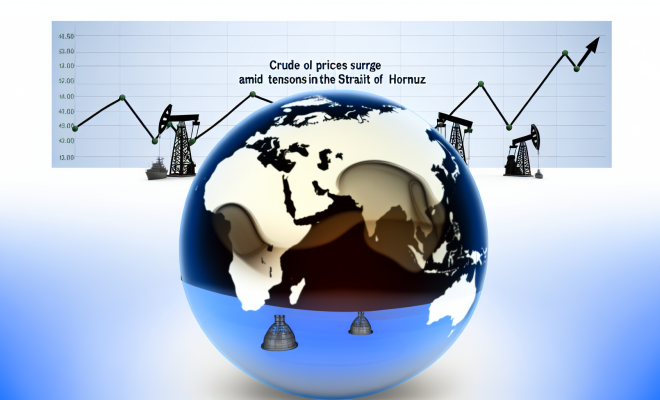
On March 17, 2026, crude oil prices experienced a significant surge, climbing over 2% to reach $103 per barrel. This increase comes amid escalating concerns regarding supply disruptions, particularly due to the ongoing tensions in the Strait of Hormuz, a critical shipping route that sees nearly 20% of the world’s oil supply passing through it.
Tensions Rise in the Strait of Hormuz
The Strait of Hormuz has become a focal point of geopolitical tensions, with reports indicating that the waterway is largely shut down. This situation has been exacerbated by European allies’ reluctance to heed U.S. calls for military support in escorting tankers through this vital passage. The potential for conflict in the region has raised alarm bells among global investors and energy markets alike, resulting in a sharp increase in oil prices.
Political Ramifications and Warnings
In light of the escalating situation, former President Donald Trump issued a stark warning regarding NATO’s future. He stated that the alliance could face “a very bad future” if its member countries fail to assist in reopening the Strait of Hormuz. This rhetoric underscores the high stakes involved in maintaining the flow of oil through this critical corridor.
Impact on Global Supply and Prices
The implications of the closure of the Strait of Hormuz are profound. As the United Arab Emirates (UAE), the third-largest producer within the Organization of the Petroleum Exporting Countries (OPEC), is forced to shut in production, fears of supply shortages are mounting. Analysts are closely monitoring the situation, warning that if crude oil prices surpass $125 per barrel, it could lead to broader systemic stress across the energy sector.
Potential Consequences of Rising Prices
- Increased Energy Costs: The surge in oil prices is likely to translate into higher costs for consumers and businesses, raising concerns about inflation.
- Oil Marketing Companies: A significant rise in crude prices could stress oil marketing companies, impacting their operations and profitability.
- LPG Subsidies: Higher crude prices may strain LPG subsidies, leading to increased costs for households that rely on liquefied petroleum gas for cooking and heating.
- LNG Throughput: Liquefied natural gas (LNG) throughput may also be affected, with potential disruptions in supply chains and increased prices for natural gas consumers.
Market Reactions and Analyst Insights
The market’s reaction to the unfolding events has been immediate and pronounced. Investors, wary of the implications of a protracted disruption in oil supply, have begun to reposition their portfolios in anticipation of further price increases. Analysts observe that the current geopolitical climate creates a perfect storm for oil prices, with supply concerns exacerbated by possible military action in the region.
Market analysts have noted that the trajectory of oil prices is contingent on the geopolitical developments surrounding the Strait of Hormuz. As tensions escalate, the risk of further supply disruptions looms large, compelling traders and investors to keep a close eye on developments.
Long-Term Implications for the Energy Market
The implications of the current situation extend beyond immediate price fluctuations. If the tensions in the Strait of Hormuz persist, the global energy market could face significant long-term challenges. Countries dependent on oil imports may experience increased costs, prompting governments to consider strategic reserves and alternative energy sources to mitigate the impacts of rising prices.
Strategic Responses and Future Considerations
In response to the evolving situation, policymakers and industry leaders may need to devise strategic approaches to safeguard energy supply chains. This could include:
- Enhanced Diplomatic Efforts: Engaging in diplomatic dialogue with key players in the region to de-escalate tensions.
- Diversifying Energy Sources: Investing in alternative energy sources to reduce dependence on oil from volatile regions.
- Strategic Reserves: Countries may need to bolster their strategic petroleum reserves to cushion the impact of oil supply disruptions.
Conclusion
The surge in crude oil prices to $103 per barrel is a clear indicator of the volatility and risks associated with geopolitical tensions, particularly in the Strait of Hormuz. As the world watches closely, the potential for further increases in energy costs and inflation looms large, prompting both analysts and consumers to brace for the economic ramifications ahead.