March Travel Disruption: A Record-Breaking Megastorm Grounds Flights and Strands Tourists Across the U.S.
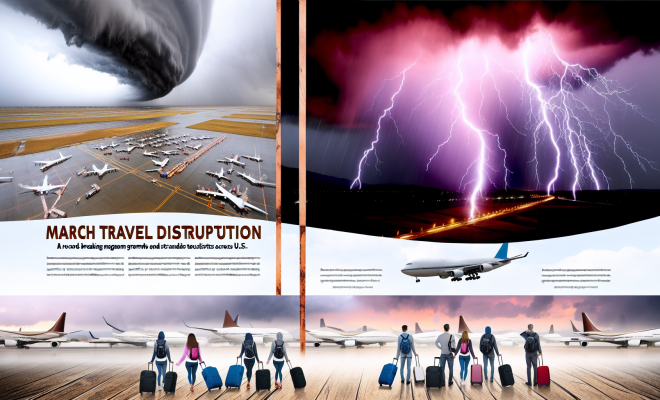
In March 2026, an unprecedented megastorm wreaked havoc across the United States, affecting millions of travelers and leaving a wake of chaos in its path. With severe weather ranging from tornadoes in the Southeast to blizzards in the Midwest, the travel industry faced an overwhelming crisis that left approximately 4.2 million people stranded and scrambling for shelter.
The Scope of the Storm
The megastorm, which struck the country in mid-March, is being described as one of the most significant weather events in recent history. As of March 17, reports indicated that the storm had dumped up to 3 feet of snow in some areas, particularly affecting the Upper Midwest. Meanwhile, the Southeast dealt with powerful tornadoes that caused widespread destruction and further complicated travel plans.
Flight Disruptions and Groundings
Air travel took one of the hardest hits from this megastorm. Major airports across the country reported significant flight cancellations, delays, and groundings. The Federal Aviation Administration (FAA) announced that thousands of flights were affected, with some major hubs, such as Chicago O’Hare and Atlanta Hartsfield, experiencing the worst disruptions.
- Chicago O’Hare International Airport: Over 1,500 flights canceled due to severe snow and ice conditions.
- Atlanta Hartsfield-Jackson International Airport: Delays and cancellations due to tornado warnings and high winds.
- Denver International Airport: Grounded flights as snow accumulation led to hazardous runway conditions.
Travelers reported long lines at airports, with many forced to wait for hours to rebook flights or find alternative means of transportation.
Tourists Trapped by the Weather
The storm’s impact extended beyond air travel, trapping tourists in various parts of the country. Many vacationers found themselves caught in the midst of the storm, unable to reach their intended destinations or return home. Hotels in affected areas quickly filled as stranded travelers sought refuge.
In cities like Denver and Chicago, local authorities and hotel managers worked to accommodate the influx of unexpected guests. However, the sheer volume of stranded travelers presented significant challenges, leading to rising prices and limited availability of rooms.
Power Outages and Safety Concerns
In addition to travel disruptions, the megastorm resulted in widespread power outages across multiple states. As high winds and heavy snow accumulated, downed power lines left many without electricity. As of March 17, reports indicated that over 1 million households were affected by outages, further complicating the situation for those trapped by the storm.
Safety concerns also escalated as local authorities issued warnings about hazardous travel conditions. Many states urged residents and travelers to stay off the roads unless absolutely necessary. Emergency services prepared for the worst, deploying additional personnel to assist those in distress.
Preparing for Future Weather Events
This record-breaking megastorm has underscored the importance of being prepared for extreme weather events. Experts suggest that travelers should take proactive steps to ensure their safety during severe weather. Here are some tips for travelers:
- Stay Informed: Keep up with weather forecasts and alerts, especially if traveling during peak storm seasons.
- Have a Plan: Always have a backup travel plan, including alternative routes and accommodations.
- Emergency Kit: Prepare an emergency kit with essentials such as food, water, and medications.
- Communication: Ensure that family and friends know your travel itinerary and check in regularly.
While extreme weather events like this megastorm can be unpredictable, being prepared can significantly mitigate the risks associated with travel disruptions.
Conclusion
The March 2026 megastorm serves as a stark reminder of the power of nature and its ability to disrupt daily life. As travelers faced unprecedented challenges, the travel industry must adapt and prepare for the future. In the face of such chaotic weather events, staying informed, prepared, and resilient is essential for ensuring safe travels.