Midwest Blizzard Grounds 5,600+ US Flights – March 2026
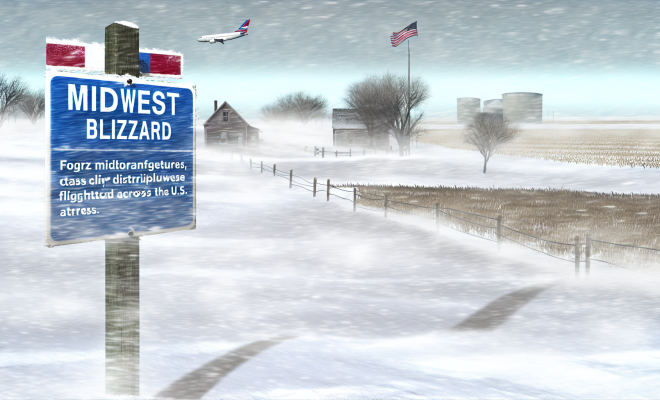
A massive blizzard sweeping across the Midwest has resulted in significant travel disruptions, affecting thousands of passengers and leading to the cancellation of over 5,600 flights across the United States as of March 17, 2026. This extreme weather event is part of a larger storm system that has wreaked havoc on air travel, leaving many travelers stranded and scrambling for alternative arrangements.
The Scope of the Disruption
Flight-tracking data reveals that the blizzard’s impact on domestic air travel has been profound. Airports in the Midwest, particularly in states such as Illinois, Wisconsin, and Minnesota, have experienced the brunt of the storm, with Chicago’s O’Hare International Airport and Minneapolis-St. Paul International Airport being among the hardest hit. Reports indicate that both airports alone accounted for a significant portion of the flight cancellations.
As the blizzard continued to dump heavy snow and create hazardous conditions, airlines began to preemptively cancel flights in anticipation of the storm’s severity. The result was a cascade of disruptions that rippled through the nation, affecting not only the Midwest but also flights scheduled to and from other regions.
Impact on Airlines and Passengers
Major airlines have been working diligently to manage the fallout from the storm. Delta Air Lines, American Airlines, and United Airlines issued travel waivers to affected passengers, allowing them to change or cancel their flights without incurring fees. However, with thousands of travelers impacted, securing alternative flights has proven challenging.
- Flight Cancellations: Over 5,600 flights canceled across the U.S.
- Travel Waivers: Major airlines implemented waivers to ease passenger burdens.
- Travel Impact: Delays and cancellations are expected to continue as the storm progresses.
For many, the disruption coincides with the start of spring break travel, exacerbating the situation as families and vacationers attempt to navigate the chaos. Reports from various airports indicate long lines at ticket counters and crowded terminals as passengers seek to rebook their travel plans.
Weather Warnings and Advisories
The National Weather Service has issued warnings across several states, advising residents and travelers to remain vigilant and exercise caution during the storm. Blowing snow, reduced visibility, and treacherous road conditions pose significant risks not just for air travel but also for ground transportation.
As the storm progresses, authorities are urging those in affected areas to stay indoors if possible and avoid unnecessary travel. The severe weather has prompted road closures and hazardous conditions, making travel by car equally perilous.
What Travelers Should Know
For those impacted by the blizzard, here are some essential tips to navigate this challenging travel situation:
- Stay Informed: Keep an eye on flight status updates through airline apps or websites.
- Utilize Travel Waivers: Check with your airline about available waivers for rebooking or cancellation.
- Be Flexible: Be prepared for possible delays or changes to your travel itinerary.
- Pack Essentials: If you’re traveling, carry essential items in your carry-on, including medications and a change of clothes.
- Consider Insurance: Travel insurance can provide additional protection against unforeseen circumstances.
Travelers are encouraged to remain patient as airlines work to manage the operational challenges posed by the storm. While the blizzard’s impact may be immediate, it is essential to prioritize safety and well-being during this tumultuous time.
The Bigger Picture
This blizzard is not an isolated incident but part of a broader pattern of extreme weather systems affecting the U.S. in recent years. Climate change has contributed to the increasing frequency and intensity of such storms, leading to more significant disruptions in travel and daily life.
As communities prepare for the ongoing challenges posed by severe weather, the importance of robust infrastructure and emergency preparedness continues to be underscored. Airlines and airports are continually adapting to mitigate the effects of these storms, striving to improve their response strategies for future weather events.
Looking Ahead
As the Midwest blizzard continues to unfold, travelers are advised to remain updated on weather forecasts and airline communications. With spring travel season on the horizon, the hope is for a swift recovery from this storm, enabling passengers to resume their travel plans with minimal disruptions.
Ultimately, while the blizzard has caused significant challenges for many, awareness and preparedness can make all the difference in navigating the complexities of air travel during extreme weather events. As the storm passes, passengers can look forward to a return to smoother skies and more predictable travel conditions.