Raylee’s Law Passed in West Virginia: A New Approach to Protecting Children in Homeschooling Situations
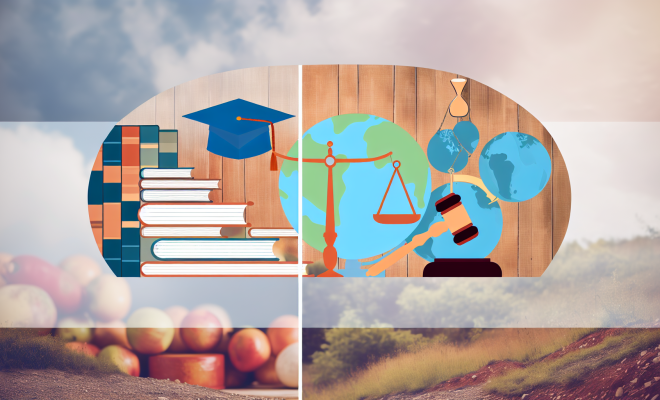
In a dramatic finish to West Virginia’s legislative session, the House of Delegates passed a pivotal piece of legislation known as Raylee’s Law at 11:57 p.m. on March 15, 2026. This bill, named after the tragic case of 8-year-old Raylee Browning, aims to address the complexities surrounding child abuse investigations and homeschooling.
The Context of Raylee’s Law
Raylee Browning’s death in 2018, attributed to abuse and neglect after being withdrawn from public school, has become a rallying point for advocates seeking to reform how children are transitioned to homeschooling during investigations of abuse or neglect. The legislation’s primary focus is to impose a temporary hold on the removal of students from public schools to homeschooling environments while child abuse or neglect investigations are underway.
Legislative Journey
Introduced multiple times since 2019, the bill faced significant hurdles in the legislature. Opposition primarily stemmed from concerns that it would infringe upon the rights of homeschooling families, limiting their autonomy and decision-making capabilities. However, its supporters, including notable Republican senators such as Amy Nichole Grady and Ryan Weld, argue that the bill is not an attack on homeschooling but rather a necessary measure to ensure the safety and welfare of children.
Key Provisions of the Bill
Raylee’s Law establishes specific guidelines that would allow educators to maintain contact with students during investigations of suspected abuse or neglect. By doing so, the law reinforces the mandatory reporting requirements that educators are obligated to follow, ensuring that any signs of abuse are promptly reported to the appropriate authorities.
The bill mandates that:
- School officials must be notified when a child is being withdrawn from public school.
- A hold will be placed on the withdrawal until the investigation is resolved.
- Educational institutions will continue to have a role in monitoring the child’s welfare during ongoing investigations.
Support and Opposition
The overwhelming vote of 94-1 in favor of the bill in the House of Delegates reflects a growing recognition of the need for legislative action in child protection. Advocates for the bill have emphasized that maintaining educator involvement in a child’s life can be crucial in identifying potential signs of abuse that might otherwise go unnoticed.
On the other hand, critics voice concerns that the law could lead to excessive scrutiny of homeschooling families, potentially discouraging parents from opting for homeschooling as a viable educational choice. They argue that the decision to homeschool should be left solely to parents without government interference.
The Legislative Timeline
The timing of the bill’s passage comes at a critical juncture, just before the legislative session’s midnight deadline. Unfortunately, the bill’s late approval means that the Senate did not have the opportunity to review or amend the legislation before the session’s conclusion, leaving some unanswered questions about its implementation and potential impact.
Looking Ahead
As the implications of Raylee’s Law begin to unfold, its supporters will be closely monitoring how the new regulations affect both child welfare and homeschooling practices. The hope is that by creating a framework that allows for educator involvement during abuse investigations, the law can serve as a protective measure for vulnerable children.
The law’s implementation will also depend on how state education officials and child welfare agencies interpret and apply the new guidelines. The effectiveness of Raylee’s Law in actually preventing child abuse will ultimately be measured by the outcomes of investigations and the well-being of children in homeschooling environments.
Conclusion
Raylee’s Law represents a significant step forward in the ongoing dialogue about child safety, education, and parental rights. While it has garnered robust support, it has also ignited a broader conversation about the responsibilities of educators and the rights of families. As West Virginia moves forward, the balance between protecting children and respecting parental choices in education will continue to be a critical issue.