North Korean Cyber Actors Leverage AI in Targeting Remote Workers
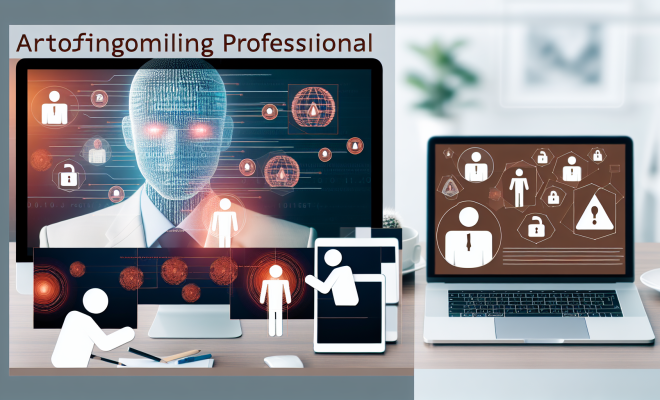
In an alarming development in the realm of cybersecurity, North Korean threat actors are increasingly utilizing artificial intelligence (AI) to enhance their cyber operations, particularly in schemes targeting remote technical employees. According to a report by Microsoft Threat Intelligence, published on March 6, 2026, titled ‘AI as Tradecraft: How Threat Actors Operationalize AI’, this trend marks a significant evolution in the tactics employed by state-sponsored groups.
The Rise of AI in Cyber Threats
The integration of AI into cyber operations is not merely a passing trend; it represents a strategic shift in how threat actors plan and execute their malicious activities. The Microsoft report outlines various ways in which AI is being deployed to optimize and enhance cyber threats, revealing the sophisticated methodologies that North Korean groups, among others, are adopting.
Operationalizing AI for Remote Employee Targeting
In the context of targeting remote technical employees, North Korean cyber actors are leveraging AI to automate and refine their attack strategies. This operationalization of AI allows these groups to conduct more extensive reconnaissance, analyze potential targets, and launch attacks with greater precision and efficiency.
- Automated Reconnaissance: AI tools can sift through vast amounts of data to identify vulnerabilities in the systems used by remote workers.
- Phishing Campaigns: With AI, these actors can craft more convincing phishing messages that are tailored to their victims, increasing the likelihood of success.
- Social Engineering: AI algorithms can analyze social media profiles and other online footprints to gather information that can be used in social engineering attacks.
- Behavioral Analysis: AI can monitor user behavior patterns to detect anomalies that may indicate a security breach or unauthorized access.
This automation not only saves time but also enhances the scale and impact of their operations, making it a critical component of their cyber toolkit.
State-Sponsored Groups and AI Integration
The report highlights that the use of AI is not unique to North Korea; rather, it is part of a broader trend among state-sponsored groups to incorporate advanced technologies into their cyber strategies. As nations increasingly recognize the power of AI, the race to integrate these capabilities into offensive cyber operations is intensifying.
Global Implications
The implications of this trend are far-reaching. As North Korean threat actors refine their use of AI, the potential for more sophisticated and damaging cyber attacks increases. Organizations, especially those with remote employees, must remain vigilant against these evolving threats.
Security experts emphasize the need for organizations to adopt a proactive stance on cybersecurity. This includes:
- Enhanced Training: Regular training sessions for employees on recognizing phishing attempts and other social engineering tactics.
- Advanced Threat Detection: Implementing AI-driven security solutions that can adapt to new threats in real-time.
- Regular Audits: Conducting frequent security audits to identify vulnerabilities before they can be exploited.
- Incident Response Plans: Developing and regularly updating incident response plans to ensure quick and effective action in case of a breach.
Conclusion
The integration of AI into the cyber operations of North Korean threat groups signifies a new era in cybersecurity threats. As these state-sponsored actors continue to innovate and evolve their tactics, organizations must prioritize cybersecurity measures and prepare for the possibility of more sophisticated attacks. The Microsoft Threat Intelligence report serves as a crucial reminder of the growing intersection between AI and cyber threats, urging businesses and governments to bolster their defenses against these emerging challenges.
In a world where remote work is becoming increasingly prevalent, understanding and mitigating the risks associated with AI-driven cyber threats will be essential to safeguarding sensitive information and maintaining operational integrity. As the landscape of cyber warfare evolves, staying informed and prepared is paramount.