The Open World of The Witcher 3: A Study in Immersion
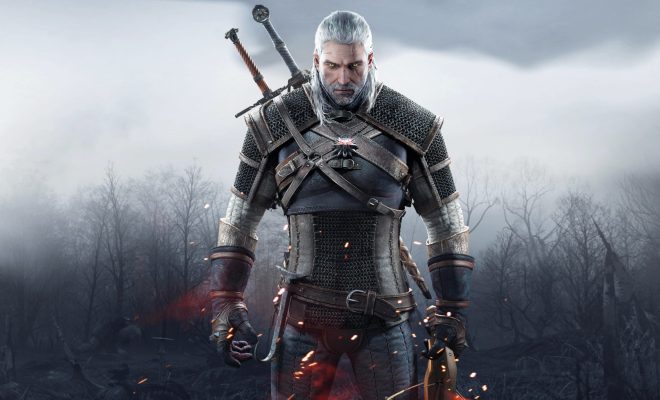
The open world of The Witcher 3: Wild Hunt is often hailed as one of the most immersive and well-crafted environments in gaming history. Spanning multiple regions, from the war-torn fields of Velen to the snow-capped mountains of Skellige, the game world is a character in itself, teeming with life, history, and secrets.
What sets The Witcher 3’s open world apart is its attention to detail and commitment to realism within its fantasy setting. The world feels lived-in and organic, with each area having its own distinct atmosphere and ecology. Villages feel appropriately sized and populated, with NPCs going about their daily routines. The wilderness areas are vast and often dangerous, filled with monsters and bandits, but also with breathtaking vistas and hidden treasures.
The game’s day-night cycle and dynamic weather system contribute significantly to the world’s immersion. These elements aren’t just cosmetic; they affect gameplay and the behavior of the world’s inhabitants. Certain monsters only come out at night, while rain might make tracking more difficult. This level of environmental interaction adds depth to the player’s experience and encourages exploration at different times and under various conditions.
One of the most praised aspects of The Witcher 3’s world is how it tells stories through the environment. Players can piece together narratives by examining their surroundings, reading notes and books, and talking to NPCs. This environmental storytelling adds layers of depth to the world, rewarding observant players with additional context and lore.
The world’s design also excels in its variety. From the swamps of Velen to the bustling city of Novigrad, from the islands of Skellige to the fairytale-like land of Toussaint (in the Blood and Wine expansion), each area has its own distinct identity. This variety keeps exploration fresh and exciting throughout the game’s substantial playtime.
Fast travel points are available, but the world is designed to make travel itself an engaging experience. Players are encouraged to explore off the beaten path, where they might encounter unique quests, rare monsters, or beautiful landscapes. The use of Geralt’s horse, Roach, for transportation adds to the immersive experience, even if Roach’s occasional glitchy behavior has become something of an affectionate joke among fans.
The Witcher 3’s open world is also notable for how it integrates with the game’s quests and storytelling. Many quests require players to use Geralt’s Witcher senses to investigate areas, adding an element of detective work to exploration. The world reacts to the player’s choices, with certain actions affecting the state of villages or the behavior of NPCs towards Geralt.
In conclusion, The Witcher 3’s open world stands as a benchmark in game design. Its combination of visual beauty, attention to detail, environmental storytelling, and integration with gameplay elements creates an immersive experience that has raised the bar for open-world games. It’s a world that invites exploration and rewards curiosity, making it a joy to inhabit for the game’s extensive playtime.