The Tech Edvocate

Top Menu

  • Advertisement
  • Apps
  • Home Page
  • Home Page Five (No Sidebar)
  • Home Page Four
  • Home Page Three
  • Home Page Two
  • Home Tech2
  • Icons [No Sidebar]
  • Left Sidbear Page
  • Lynch Educational Consulting
  • My Account
  • My Speaking Page
  • Newsletter Sign Up Confirmation
  • Newsletter Unsubscription
  • Our Brands
  • Page Example
  • Privacy Policy
  • Protected Content
  • Register
  • Request a Product Review
  • Shop
  • Shortcodes Examples
  • Signup
  • Start Here
    • Governance
    • Careers
    • Contact Us
  • Terms and Conditions
  • The Edvocate
  • The Tech Edvocate Product Guide
  • Topics
  • Write For Us
  • Advertise

Main Menu

  • Start Here
    • Our Brands
    • Governance
      • Lynch Educational Consulting, LLC.
      • Dr. Lynch’s Personal Website
      • Careers
    • Write For Us
    • The Tech Edvocate Product Guide
    • Contact Us
    • Books
    • Edupedia
    • Post a Job
    • The Edvocate Podcast
    • Terms and Conditions
    • Privacy Policy
  • Topics
    • Assistive Technology
    • Child Development Tech
    • Early Childhood & K-12 EdTech
    • EdTech Futures
    • EdTech News
    • EdTech Policy & Reform
    • EdTech Startups & Businesses
    • Higher Education EdTech
    • Online Learning & eLearning
    • Parent & Family Tech
    • Personalized Learning
    • Product Reviews
  • Advertise
  • Tech Edvocate Awards
  • The Edvocate
  • Pedagogue
  • School Ratings

logo

The Tech Edvocate

  • Start Here
    • Our Brands
    • Governance
      • Lynch Educational Consulting, LLC.
      • Dr. Lynch’s Personal Website
        • My Speaking Page
      • Careers
    • Write For Us
    • The Tech Edvocate Product Guide
    • Contact Us
    • Books
    • Edupedia
    • Post a Job
    • The Edvocate Podcast
    • Terms and Conditions
    • Privacy Policy
  • Topics
    • Assistive Technology
    • Child Development Tech
    • Early Childhood & K-12 EdTech
    • EdTech Futures
    • EdTech News
    • EdTech Policy & Reform
    • EdTech Startups & Businesses
    • Higher Education EdTech
    • Online Learning & eLearning
    • Parent & Family Tech
    • Personalized Learning
    • Product Reviews
  • Advertise
  • Tech Edvocate Awards
  • The Edvocate
  • Pedagogue
  • School Ratings
  • This One Skill Is Quietly Reshaping Every Career — And How to Master It Now

  • The Silent Threat: How AI Is Reshaping Recent College Graduates’ Job Prospects

  • This Crucial Shift in AI Will Devastate Millions of College Grads

  • The Brutal Truth: Zero-Day Exploit Analysis vs. Traditional Cybersecurity Careers — Which Path Pays $300,000?

  • The Urgent Truth: Why These Certifications Are Your Only Defense Against Zero-Day Attacks

  • The FBI Investigates a Zero-Day Attack on Your Job Applications

  • The Startling Truth About AI’s Impact on Your Coding Job by 2026

  • The Shocking Truth About Your Code: AI Is Already Rewriting Your Future

  • Is This Why Code Review Is Dead? AI’s Staggering Impact on Tech Jobs

  • The Shocking Truth About CogniBoost vs Focus Drugs: What No One Is Telling You

Digital & Mobile Technology
Home›Digital & Mobile Technology›An Overview of Packet Switching on Computer Networks

An Overview of Packet Switching on Computer Networks
By Matthew Lynch
July 14, 2023
0
Spread the love

Packet switching is a method of transmitting data across computer networks. In this article, we will provide an overview of packet switching, how it works, and its advantages and disadvantages.

What is Packet Switching?

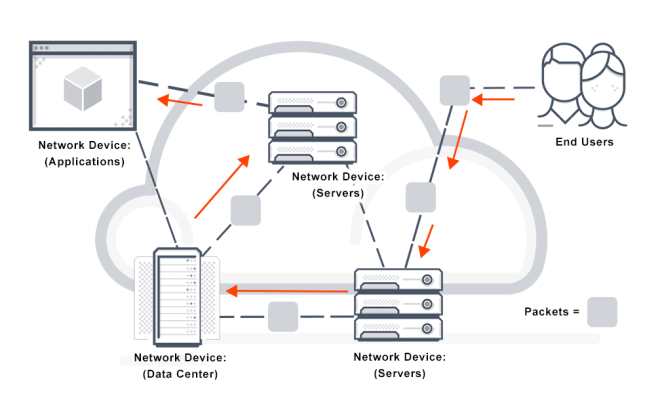
Packet switching is a network technology that breaks down data into small packets before they are transmitted across the network. Each packet contains a portion of the data along with information on its destination address, source address, and other control information.

The packets are then transmitted across the network and are reassembled at the destination. This process is known as packet switching, and it is used in many modern computer networks, including the internet.

How Does Packet Switching Work?

Packet switching works by breaking down data into small packets and transmitting them across the network. Each packet is sent individually and can take a different route to its destination. This means that packets can be sent simultaneously and in any order, and they will still be reassembled correctly at the destination.

Packet switching networks use routers to direct packets to their destination. Routers are intelligent devices that can analyze incoming packets and determine the best path for them to take. They use routing tables to determine the most efficient path for the packet to take based on the destination address.

Advantages of Packet Switching

Packet switching has several advantages over other network technologies, including:

1. Efficiency:

Packet switching is more efficient than circuit-switched networks because it allows multiple packets to be transmitted simultaneously. This means that the network can handle more traffic at once, resulting in faster transfer speeds.

2. Flexibility:

Packet switching networks are more flexible than circuit-switched networks because they can handle different types of traffic simultaneously. This means that they can handle data, voice, and video traffic all at once.

3. Reliability:

Packet switching networks are more reliable than circuit-switched networks because they can reroute packets if a connection is lost. This means that if one route is congested or unavailable, packets can be sent through an alternate route.

Disadvantages of Packet Switching

Packet switching also has some disadvantages, including:

1. Latency:

Packet switching can introduce latency into the network because packets have to be reassembled at the destination. This can result in delays in transmitting data, which can be problematic for real-time applications like video conferencing.

2. Security:

Packet switching networks are more vulnerable to security threats like hacking and viruses because packets can be intercepted and modified during transmission. This means that packet-switched networks require additional security measures to protect against these threats.

Conclusion

Packet switching is an essential technology that underpins modern computer networks. It allows data to be transmitted efficiently, flexibly, and reliably across the network. While it has some drawbacks, the benefits of packet switching far outweigh the disadvantages, making it a critical technology for modern computing.

Previous Article

Asus Unveils Steam Deck Competitor

Next Article

Ad Layout and Design Strategies

Matthew Lynch

Related articles More from author

  • Digital & Mobile Technology

    How to Use Data Validation in Google Sheets

    June 22, 2023
    By Matthew Lynch
  • Digital & Mobile Technology

    Apple’s Dynamic Island: Form Over Function?

    August 5, 2023
    By Matthew Lynch
  • Digital & Mobile Technology

    Best Ergonomic Keyboards of 2023

    June 2, 2023
    By Matthew Lynch
  • Digital & Mobile Technology

    What is an Auxiliary Port (AUX)?

    April 25, 2023
    By Matthew Lynch
  • Digital & Mobile Technology

    Lyft vs. Uber: What’s the Difference?

    June 9, 2023
    By Matthew Lynch
  • Digital & Mobile Technology

    How to Fix Notifications Not Showing up on Android

    June 2, 2023
    By Matthew Lynch

Search

Login & Registration

  • Log in
  • Entries feed
  • Comments feed
  • WordPress.org

Newsletter

Signup for The Tech Edvocate Newsletter and have the latest in EdTech news and opinion delivered to your email address!

About Us

Since technology is not going anywhere and does more good than harm, adapting is the best course of action. That is where The Tech Edvocate comes in. We plan to cover the PreK-12 and Higher Education EdTech sectors and provide our readers with the latest news and opinion on the subject. From time to time, I will invite other voices to weigh in on important issues in EdTech. We hope to provide a well-rounded, multi-faceted look at the past, present, the future of EdTech in the US and internationally.

We started this journey back in June 2016, and we plan to continue it for many more years to come. I hope that you will join us in this discussion of the past, present and future of EdTech and lend your own insight to the issues that are discussed.

Newsletter

Signup for The Tech Edvocate Newsletter and have the latest in EdTech news and opinion delivered to your email address!

Contact Us

The Tech Edvocate
910 Goddin Street
Richmond, VA 23231
(601) 630-5238
[email protected]

Copyright © 2026 Matthew Lynch. All rights reserved.