12 Inspiring Interior Design Trends for 2026 Revealed
“`html
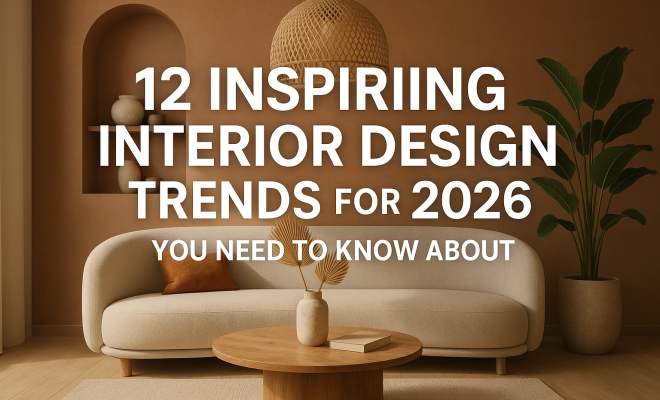
The world of interior design is undergoing a significant transformation, as we move towards 2026. This shift reflects not just aesthetic preferences, but also the psychological and emotional needs of homeowners. Vogue recently highlighted a crucial trend towards ‘homespun, lived-in spaces’ that prioritize comfort and authenticity over the sterile minimalism that has dominated design conversations for years. Here’s a closer look at the major interior design trends shaping our homes in 2026.
Embracing the ‘Lived-In’ Aesthetic
The most striking of the interior design trends for 2026 is undoubtedly the embrace of the ‘lived-in’ aesthetic. This approach is characterized by warm, textured environments that evoke a sense of nostalgia and comfort. Rather than showcasing pristine, minimalist spaces that feel more like showrooms than homes, designers are now opting for a more relaxed and inviting atmosphere. Textiles play a pivotal role here, with homeowners layering fabrics to create visual richness and tactile warmth.
People want their homes to reflect personal stories and experiences, steering away from the generic and impersonal. This trend resonates with many, particularly in a post-pandemic world where emotional comfort has become paramount. Homeowners are sharing their textile-heavy décor on social media, promoting a strong sense of community and shared inspiration. This growing movement is not just about aesthetic choices; it’s about creating spaces that feel authentic and alive.
The Rise of Textiles and Organic Materials
Interior design trends in 2026 are increasingly focusing on the use of textiles and organic materials. Natural fibers like cotton, linen, and wool are making a comeback, with homeowners opting for heavy drapes, plush rugs, and intricately woven throws that add depth and comfort to their spaces. The tactile quality of these materials invites touch, creating an inviting atmosphere that is both cozy and visually appealing.
Furthermore, organic materials such as wood, stone, and clay are being incorporated to foster a connection with nature. Designers are sourcing sustainable and eco-friendly options, aligning their projects with a growing awareness of environmental issues. This trend not only enhances the aesthetic appeal of spaces but also promotes a lifestyle that values sustainability and the planet.
Color Trends: Earthy Tones and Warm Hues
When it comes to color, the palette of 2026 is shifting towards earthy tones and warm hues. Shades of terracotta, olive green, and soft browns are gaining popularity, inviting warmth and grounding energy into interiors. These colors work beautifully with the natural materials that are becoming staples in design, creating a harmonious environment that feels both inviting and calming.
Bright, bold colors that once dominated design conversations are being replaced by these softer, more organic shades. This shift reflects a collective yearning for peace and comfort in our personal spaces. As homeowners look for ways to create cozy, functional environments, these colors will lead the way, setting a tone of relaxation and tranquility throughout the home.
Mixing Old and New: Vintage and Modern Fusion
One trend that is making waves in interior design in 2026 is the fusion of vintage and modern elements. Rather than adhering strictly to a single style, many are enjoying the eclectic mix of old and new. This approach allows for creativity and personal expression, making spaces feel unique and more reflective of individual personality.
Consider a contemporary couch paired with a vintage coffee table or a modern dining set accentuated by antique décor. This combination not only creates visual interest but also tells a story about the homeowner’s journey and taste. As we continue to redefine what our homes mean to us, the blend of styles becomes a way to celebrate both history and modernity. (See: latest trends in home design.)
Home Offices: Function Meets Comfort
The pandemic has changed how we view and use our home spaces. As remote work becomes a staple of professional life, the focus on designing functional yet comfortable home offices has gained prominence. In 2026, expect to see workspaces that prioritize not just efficiency but also comfort and aesthetics.
Home offices will feature ergonomic furniture, inspiring art, and soothing color palettes, blending seamlessly with the rest of the home’s design. Instead of being stark and utilitarian, these spaces will invite creativity and productivity while still maintaining that inviting, lived-in feel that is so desirable. Homeowners are now realizing that a well-designed workspace can significantly enhance their work-life balance.
Curated Collections: Personal Touches
As the desire for authenticity grows, homeowners are increasingly curating collections of personal items that reflect their interests and passions. From art to travel souvenirs, these collections serve not only as decorative elements but also as conversation starters. In 2026, expect to see more spaces that celebrate individual stories through carefully chosen objects rather than relying on mass-produced decor.
These curated pieces provide a sense of personality and warmth, making a house feel like a home. Whether it’s a gallery wall showcasing various artworks or a shelf filled with beloved books and trinkets, these personal touches are what truly make a living space feel lived-in and meaningful.
Biophilic Design: Bringing the Outdoors In
Biophilic design continues to be a significant trend shaping interiors in 2026, aligning with the broader desire for authentic, nature-inspired environments. This approach emphasizes the connection between humans and nature, integrating natural elements into living spaces. Large windows that frame outdoor views, indoor plants, and natural light are critical components of this trend.
Incorporating greenery not only improves air quality but also promotes mental well-being. As homeowners seek out ways to foster a sense of peace and connection with nature, biophilic elements become essential in creating an oasis within the home. The blending of indoor and outdoor spaces is becoming more fluid, allowing for a seamless transition that enhances the overall living experience.
Smart Home Features: Tech Meets Comfort
While warmth and comfort are essential in the interior design trends for 2026, technology still plays a crucial role. Smart home features are increasingly being integrated into designs without sacrificing aesthetics. Homeowners are now looking for technology that enhances convenience and comfort rather than disrupting the cozy ambiance.
From smart lighting systems that adjust based on occupancy to integrated sound systems that provide soothing background music, technology is becoming more user-friendly and integrated into the overall design. The goal is to create spaces that are not just functional but also enhance the emotional comfort of the home.
First Impressions: Entryways that Welcome
Entryways are often overlooked, yet they set the tone for the entire home. In 2026, expect to see a focus on creating welcoming and functional entryways that reflect the homeowner’s style while offering practicality. These spaces will blend aesthetic appeal with utility, featuring stylish storage solutions, comfortable seating, and decorative elements that make a statement.
The entryway becomes a transition space, one that welcomes guests and provides a glimpse into the personality of the home. With the trend toward ‘lived-in’ aesthetics, these areas will feature personal touches, making every arrival a warm experience. A well-designed entryway not only enhances the flow of the home but also reinforces the sense of comfort that permeates throughout.
Emerging Trends in Sustainable Design
As global environmental concerns continue to grow, sustainable design practices are becoming an integral part of interior design trends for 2026. Homeowners are increasingly prioritizing eco-friendly materials, energy-efficient appliances, and sustainable manufacturing processes. This movement reflects a shift in consumer values, where individuals are willing to invest more in their homes if it means contributing positively to the environment. (See: the impact of design on emotional well-being.)
For instance, bamboo flooring is gaining traction as a renewable resource that’s both stylish and environmentally friendly. Homeowners are also embracing recycled materials, from furniture made of reclaimed wood to decorative items crafted from upcycled materials. This not only reduces waste but adds a unique story to each piece in the home.
Statistics show that 73% of millennials are willing to pay more for sustainable goods, indicating a clear preference for products that positively impact the planet. This trend is reshaping the way designers approach projects, pushing for greater transparency in sourcing and manufacturing while also encouraging a circular economy in home design.
Understanding the Impact of Light
Lighting plays a vital role in shaping the ambiance of any space, and its importance is magnified in 2026. As designers look to create environments that enhance well-being, the focus is on maximizing natural light while incorporating innovative artificial lighting solutions.
Homeowners are increasingly aware of how light affects mood, productivity, and overall health. This awareness is leading to the integration of dynamic lighting systems that can be adjusted throughout the day. For example, smart lighting that mimics natural light patterns can help regulate circadian rhythms, promoting better sleep and energy levels.
Designers are also utilizing light fixtures as statement pieces, opting for bold designs that add character to a room. Expect to see artistic pendant lights, sculptural floor lamps, and even integrated lighting in unexpected places, such as behind mirrors or within shelving units. The interplay of light and design becomes a key aspect of creating inviting and vibrant spaces.
FAQ: Interior Design Trends 2026
What are the top interior design trends for 2026?
The top trends include a focus on the ‘lived-in’ aesthetic, a blend of vintage and modern elements, the use of organic materials, and increased attention to sustainable practices. Homeowners are prioritizing comfort, personal expression, and emotional well-being in their spaces.
How can I incorporate the ‘lived-in’ aesthetic into my home?
To achieve this aesthetic, consider layering different textiles, incorporating personal items that tell your story, and using warm, inviting colors. Aim for a mix of furniture styles that reflect your personality, creating a cozy and authentic atmosphere.
What materials should I focus on for sustainable interior design?
Focus on materials that are renewable, recycled, or sourced from sustainable practices. Bamboo, reclaimed wood, cork, and organic textiles are excellent choices. Additionally, consider items made from recycled materials that add both style and eco-friendliness to your space.
How important is lighting in interior design for 2026?
Lighting is crucial as it influences mood and functionality. Homeowners are encouraged to maximize natural light and integrate smart lighting solutions that adjust to the time of day, enhancing overall well-being and comfort in the home. (See: how interior design affects mental health.)
Will biophilic design continue to be popular in 2026?
Absolutely! Biophilic design is expected to remain significant as people seek more connections with nature. Incorporating plants, natural materials, and views of the outdoors will be central to creating calming, restorative spaces.
What role does technology play in modern interior design?
Technology is seamlessly integrating into modern interior design, enhancing functionality without sacrificing aesthetic appeal. Homeowners are looking for smart solutions, like automated lighting and temperature control, that enhance comfort while maintaining a cozy atmosphere.
How can I balance vintage and modern elements in my home?
To effectively mix vintage and modern elements, start by choosing a dominant style and using vintage pieces as accents. For instance, pair a sleek, contemporary couch with an antique coffee table to create a focal point. The key is to establish a cohesive color palette that ties both styles together.
What are some tips for creating a functional home office?
Start by selecting ergonomic furniture, including a comfortable chair and spacious desk. Incorporate personal touches like art or meaningful objects, and ensure good lighting, both natural and artificial. Keep productivity tools organized to maintain a clutter-free environment that fosters creativity. This builds on becoming an interior designer.
The Future of Home Design: Looking Ahead
As we look forward to 2026, it’s clear that the interior design landscape is evolving. With a strong emphasis on comfort, authenticity, and sustainability, homeowners are turning their spaces into reflections of their lives, stories, and aspirations. This shift towards personalization and emotional connection is reshaping the way we think about our living environments, ensuring they are not just houses but true homes.
As you consider updating your home, remember that interiors should resonate with who you are. Whether that means reimagining your living room with cozy textiles, introducing vibrant vintage pieces, or going green with sustainable materials, the possibilities are endless. The key is to create a space that feels right for you, inviting and warm, while also being conscious of your impact on the world around you. Each design choice you make can contribute not just to the aesthetics of your home but also to a lifestyle that values comfort, connection, and community.
“`
Trending Now
Frequently Asked Questions
What are the key interior design trends for 2026?
In 2026, key interior design trends include the 'lived-in' aesthetic, which emphasizes comfort and authenticity, and a focus on textiles and organic materials. Homeowners are moving away from sterile minimalism towards warm, layered environments that reflect personal stories and experiences.
How can I create a 'lived-in' aesthetic in my home?
To create a 'lived-in' aesthetic, incorporate warm textures and layered fabrics in your decor. Use natural materials like cotton and linen, and add personal touches through artwork or family heirlooms to evoke a sense of nostalgia and comfort in your space.
What materials are trending in interior design for 2026?
Trending materials for 2026 include natural fibers such as cotton, linen, and wool. Homeowners are increasingly opting for heavy drapes, plush rugs, and woven throws that enhance texture, comfort, and visual richness in their interiors.
Why is comfort becoming a priority in interior design?
Comfort is becoming a priority in interior design due to the emotional needs of homeowners, especially in a post-pandemic world. There is a growing desire for spaces that feel authentic and inviting, reflecting personal stories rather than generic aesthetics.
How are social media trends influencing interior design?
Social media is influencing interior design by promoting the sharing of textile-heavy decor and 'lived-in' spaces. Homeowners are inspired by community-driven ideas, leading to a shift towards more personalized and emotionally resonant home environments.
What's your take on this? Share your thoughts in the comments below — we read every one.