10 Ways to Create the Classroom of the Future
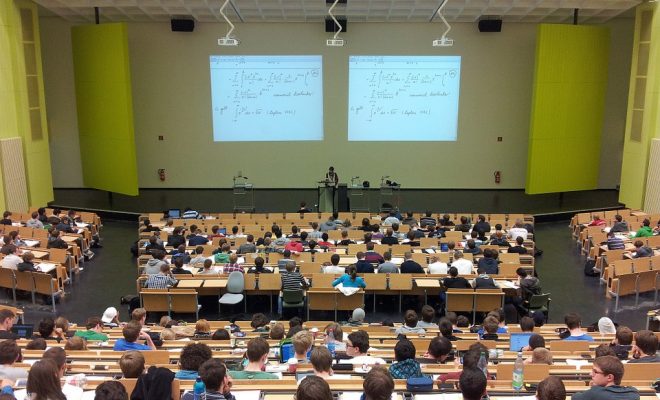
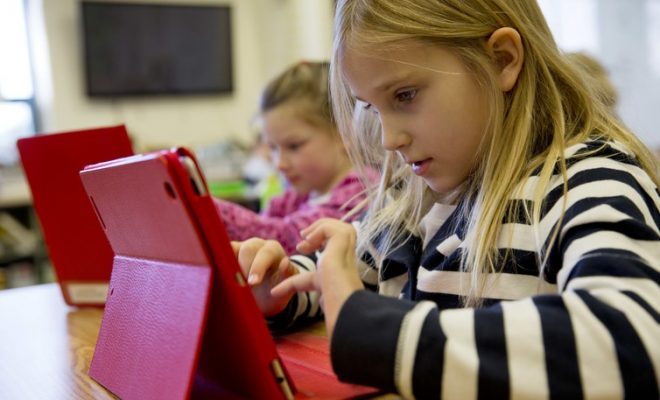
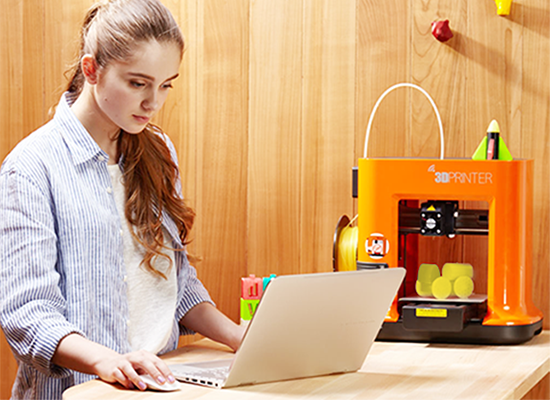
While educational standards may differ from school to school there is one thing that is always nearly the same: the classroom set out. Desks are arranged in rows or groups, and the teacher stands at the front and teach. This set out has changed very little in a hundred years even with all the technological advancements that have been made. Edtech not only changes the way that children learn but changes the way they interact with one another, the classroom space and their teacher. Things need to change if classrooms are to meet the needs of the modern learner. Below are ten ways to create the classroom of the future.
- Create technologically smart spaces
As education starts to encourage technology in the classroom, the space itself needs to morph and become technology friendly. This can be accomplished by offering charging ports in desks or throughout the classroom. Students should not have to compete for three electrical ports. Classroom USB chargers allow students to charge devices while working. The reality is that if more students are using technology, they need to be able to maintain their learning devices’ battery life.
- Morphing the role of the Teacher
Teachers need to realize that their role in the classroom is morphing. Blended learning gives students control over their learning and teachers, while still vital aspects, need to be trained on how to teach and manage the classrooms of the future. Teachers may not stand up at the front and lecture but teach from the back and keep an eye on student’s screens. Classrooms of the future need teachers of the future if they are to succeed.
- Connectivity
In 2015, 96% of students in the US had access to Wi-Fi at school. This is impressive, but this “connectivity” is not always fast, easily accessible or used effectively in the classroom. If students are being encouraged to use edtech and engage online, they need to have the ability to do so quickly and without issues. Cybersecurity and access should still be controlled, but students should have access to perform their work without worrying about their connectivity. Classrooms of the future should offer students effortless Wi-Fi opportunities.
- Classroom setups
Traditional classrooms will no longer meet the needs of students in the future. Movement and flexibility are becoming more important and current classrooms set up do not offer this. Study pods, standing desks, windows that decrease glare on screens are just some of the innovations that should make their way into the classroom.
- Building classrooms
Architects also need to be keenly aware of these needs of future students and build classrooms accordingly. Classroom of The Future, an initiative in San Diego is pushing educators and builders to think about what schools of the future should look like and how walls need to change to allow better Wi-Fi, buildings need to be greener, and students need to feel welcomed at school.
- Communicating differently
Teachers, students, and parents can be more connected than ever; and this changes the classroom. Through social networking and edtech, the classroom is a more open space and parents can “see” what happens every day. By sharing homework assignments, reminders and disciplinary emails the classroom of the future is now more visible to everyone involved. This “online classroom” is also changing the way students view their education.
- Technology coaches
This future faculty position would ensure that every teacher, student, and school is on par with modern technology standards. It is impossible to expect teachers to be on top of every innovation and every other aspect of teaching. Experts in the field suggest that successfully integrating technology and education requires at least one “coach” per school. The classroom of the future would be visited by technology coaches to ensure that all parties involved understand and are benefiting from technology.
- Make way for virtual reality
One major change that the classroom needs to prepare for is virtual reality. This does not just mean technology hook ups but the personal space to engage with the virtual world as the technology intends students to do. With more than $1.46 million invested in virtual reality startups, schools need to make sure that they choose products that have been proven to boost student achievement.
- Storing and Keeping Technology
While 88% of US teenagers may have access to a laptop, it does not mean that they own one or have unlimited access. If classrooms are to be technological spaces, they need to ensure that all students are in a classroom that has a 1:1 ratio with technology. Sharing is not the answer. Some classrooms do not allow students to take their technology home, and so secure lock up facilities may be required. Technology is expensive, and classrooms of the future need to secure spaces where technology can be kept.
- Start NOW
The best way to create the classroom of the future is by making small changes to the classrooms of today. Moving desks around, installing projectors and asking students for ideas is the best way to morph traditional classrooms into futuristic ones.
So, if we are preparing ourselves for the classrooms of the future, it is important that we start implementing these changes now. They will be slow, but every innovation in technology should be met with innovation in the space around it. Classrooms of the future will be different, but we can start preparing for them now.