World Meteorological Day 2026: Weather Monitoring for a Sustainable Future
Understanding World Meteorological Day 2026
World Meteorological Day, celebrated annually on March 23, serves as a reminder of the critical role that meteorology plays in our lives. In 2026, the theme of the observance is ‘Observing Today, Protecting Tomorrow.’ This theme emphasizes the importance of monitoring weather, climate, and water resources as essential tools for safeguarding lives and protecting the environment.
The Significance of the Theme
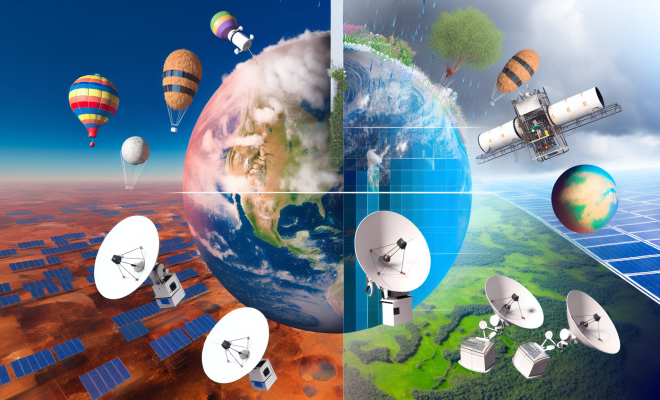
The theme for 2026 highlights the urgent need for accurate weather forecasts and early warning systems. With the rise of extreme weather events, understanding meteorological phenomena has never been more crucial. The tools used for observation—such as satellites, radar, and weather stations—are integral to providing timely information that can mitigate the impacts of natural disasters.
The Role of Technology in Meteorology
Modern meteorology relies heavily on advanced technology. Satellites orbiting the Earth collect vast amounts of data, enabling meteorologists to track weather patterns and changes in climate with unprecedented accuracy. Radar systems provide real-time information on precipitation and storm systems, while ground-based weather stations measure a variety of atmospheric conditions.
This technological backbone allows for the development of sophisticated models and forecasting techniques that inform both the public and authorities about upcoming weather events. Early warning systems can save lives by ensuring that communities are prepared for severe weather, whether it be hurricanes, floods, or heatwaves.
A Brief History of World Meteorological Day
World Meteorological Day commemorates the establishment of the World Meteorological Organization (WMO), which was formed on March 23, 1950. The WMO is a specialized agency of the United Nations responsible for promoting international cooperation in meteorology, climatology, hydrology, and related fields.
Since its inception, World Meteorological Day has been a platform for raising awareness about the importance of weather and climate services in supporting sustainable development. Each year, the day serves to highlight various aspects of meteorology and the critical contributions of meteorologists worldwide.
Why Meteorology Matters
The significance of meteorology extends beyond daily weather forecasts; it plays a pivotal role in disaster preparedness and response. Accurate weather data can inform policies and practices that protect communities from the adverse effects of climate change.
- Disaster Preparedness: By providing forecasts and warnings, meteorology helps governments and organizations prepare for and respond to natural disasters.
- Climate Change Monitoring: Ongoing observations of weather patterns contribute to the understanding of climate change and its impacts.
- Public Safety: Timely alerts about severe weather conditions can save lives and minimize property damage.
- Environmental Protection: Monitoring water resources and weather patterns is essential for sustainable management of ecosystems.
Global Challenges and Meteorology
As the world faces increasingly complex challenges—from climate change to urbanization—the role of meteorology becomes even more vital. The data collected today can help inform policies that not only address immediate weather-related issues but also contribute to long-term environmental sustainability.
For example, climate change has been linked to more frequent and severe weather events, which necessitates a better understanding of atmospheric changes and their implications. Accurate and timely meteorological data can aid in developing strategies to combat these changes, ensuring that communities are equipped to handle the consequences of shifting weather patterns.
Community Engagement and Public Awareness
World Meteorological Day also emphasizes the importance of engaging communities in climate and weather awareness. Initiatives aimed at educating the public about meteorology can foster a sense of responsibility towards the environment and encourage proactive measures to mitigate the impacts of climate change.
Schools, local governments, and organizations can use this day to promote activities that enhance understanding of meteorological concepts. Workshops, seminars, and informational campaigns can help build a culture of preparedness and resilience within communities.
Conclusion: Looking Ahead
As we observe World Meteorological Day in 2026, it is essential to reflect on the crucial role that meteorology plays in our society. The theme ‘Observing Today, Protecting Tomorrow’ serves as a call to action for individuals, communities, and governments to prioritize investment in weather and climate monitoring systems. The continued advancement of technology in meteorology will not only improve our ability to predict weather events but also enhance our preparedness for the challenges that lie ahead.
Ultimately, by valuing the contributions of meteorology, we can work towards creating a safer, more sustainable future for generations to come.