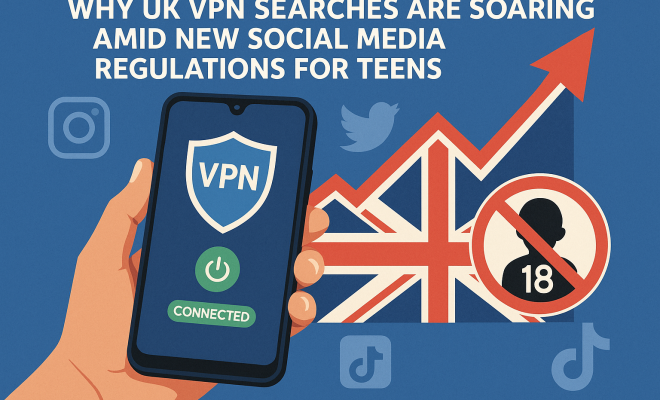
Why UK VPN Searches Are Soaring Amid New Social Media Regulations for Teens
“`html
In a significant shift concerning online privacy and youth engagement, UK VPN searches have spiked dramatically following the announcement of the government’s plan to regulate social media usage for those under 16. This surge in interest isn’t merely a passing trend; it’s a clear indicator of the growing anxiety surrounding digital privacy, particularly among parents concerned for their children’s online safety. With queries reaching their highest level since early August, it’s essential to unpack why this sudden interest in VPN services is occurring and what it signifies for various stakeholders involved.
The Government’s Under-16 Social Media Plan
The UK government’s initiative to impose age verification on social media platforms aims to create a safer online environment for minors. This plan, while well-intentioned, has raised alarms over privacy, as it could necessitate the collection of sensitive personal information. Critics argue that such measures could lead to greater risks of data breaches, exploitation, and unauthorized access, thus triggering a wave of concern among parents and guardians.
When it comes to children, the stakes are particularly high. Social media use among young people has skyrocketed over the past few years, and with it, concerns about their safety online. While these regulations aim to protect children, many parents fear that they could inadvertently expose their children to more dangers by requiring personal data to prove age.
The Privacy Concerns Driving VPN Interest
The recent spike in UK VPN searches suggests a growing public sentiment that privacy should not be compromised. VPNs, or Virtual Private Networks, offer a way to secure online activities by masking users’ IP addresses, making it more difficult for third parties to collect data. For many parents, the appeal of VPNs lies in providing a protective layer between their children and the digital world.
More than just a tool for digital anonymity, VPNs represent a proactive stance against potential threats to privacy. In a time when big tech companies face scrutiny over data collection practices, more people are turning to VPNs not only for personal use but also as a safeguard for their children’s online activities.
Understanding the Surge: Statistical Context
After the announcement of the under-16 social media plan, UK VPN searches soared by approximately 25% within a week. This increase is significant, particularly when considering that searches had been relatively stable before the announcement. The timing indicates a direct correlation between the government’s initiative and public reaction, showcasing the immediacy of concern surrounding digital privacy.
In terms of demographics, the spike in searches was not limited to parents alone; many teenagers started looking for ways to bypass potential restrictions. A study revealed that 70% of teens aged 13-18 expressed worry over how age verification might restrict their social media access, while 65% of parents feared that their children’s personal data would be mishandled.
The Emotional Landscape of Parents and Teens
The intertwining emotions of fear and frustration dominate the conversation surrounding this new social media regulation. Parents want to safeguard their children, but they are also protective of their own privacy and that of their kids. The under-16 social media plan raises questions about the balance between keeping children safe and respecting their autonomy.
On the other side, teenagers feel a strong sense of entitlement to access platforms that their friends use, leading to feelings of isolation or exclusion if restrictions are implemented. This tension amplifies the urgency for solutions like VPNs, as they provide a means to navigate these new barriers, even if it means circumventing regulations designed to protect them.
How VPNs Serve as a Practical Solution
For many families, VPNs are now seen as a practical solution to the uncertainty created by the government’s social media plan. The appeal lies not only in the functionality but also in the perceived empowerment they offer. By using a VPN, parents can help shield their children from unwanted scrutiny while enabling them to access the digital spaces where their social lives unfold.
Moreover, the ease of setting up a VPN has made them increasingly popular. With numerous user-friendly applications available, a VPN can be installed on various devices quickly and without requiring much technical knowledge. This accessibility contributes to the surge in UK VPN searches, as families seek immediate remedies to their concerns. (See: BBC report on social media regulations.)
The Role of Tech Platforms and Policymakers
While parents and teens are actively searching for solutions, tech platforms face the challenge of adapting to new regulations while maintaining user trust. Companies like Facebook and TikTok must navigate these waters delicately, implementing age verification without compromising their users’ privacy. This balancing act will be crucial in retaining their user base while also adhering to governmental guidelines.
Policymakers, on the other hand, need to consider the broader implications of their regulations. The intent is to protect minors, but the potential consequences of overreach could stifle the open discourse that social media platforms were designed to promote. The delicate nature of this situation necessitates a collaborative approach among lawmakers, tech companies, and the public.
Expert Opinions: Voices in the Discussion
Experts in digital privacy and child safety emphasize the need for a measured approach when implementing regulations like the under-16 social media plan. Many argue that while protecting children is essential, the means of doing so must not compromise personal freedoms or privacy rights.
Dr. Sarah Whitfield, a child psychologist specializing in technology, points out, “Children are more adept at navigating online spaces than we often give them credit for. Instead of blanket restrictions, we should focus on educating them about safe online practices and how to use privacy tools like VPNs responsibly.”
This sentiment is echoed by cybersecurity experts, who stress the importance of fostering an environment where children can learn to navigate digital spaces safely rather than resorting to a restrictive framework that may drive them toward more clandestine behaviors.
The Broader Implications of VPN Searches
The increase in UK VPN searches is more than just a reactionary trend; it signals a shift in how society views online privacy, especially concerning children. The growing awareness of digital rights is shaping conversations around regulations, forcing both policymakers and tech companies to reconsider their roles in protecting user data.
As parents turn to VPNs as a solution, they are becoming more informed about their rights and the potential risks associated with data collection. This newfound awareness may lead to broader advocacy for transparency from tech platforms, encouraging a push for policies that prioritize user privacy without compromising safety.
Actionable Advice for Parents and Teens
For parents concerned about the implications of the government’s new plan, here are some actionable steps to consider:
- Educate Yourself: Understand the potential risks of data collection and how age verification can impact your child’s online experience.
- Communicate Openly: Discuss the importance of privacy and safety with your children, empowering them to make informed decisions.
- Consider VPN Options: Research and choose a reputable VPN provider that prioritizes privacy and security, taking care to explain its purpose and usage to your children.
- Stay Informed: Keep up with developments in social media regulations and tech policies to better navigate your family’s online presence.
For teens, understanding how to use technology responsibly is equally crucial. Learning about privacy tools, the importance of data protection, and the potential consequences of online behavior can foster a safer digital environment.
Looking Ahead: What Comes Next?
The intersection of youth, technology, and privacy is complex and evolving. As the UK government implements its under-16 social media plan, how this will affect communication, social dynamics, and privacy remains to be seen. The rising interest in UK VPN searches indicates a preparedness among users to take control of their digital experiences, but it also highlights the need for a broader dialogue about online safety and privacy rights.
As this situation unfolds, it’s crucial for all parties involved—parents, teens, tech platforms, and policymakers—to engage in constructive conversations. Finding solutions that prioritize safety without sacrificing freedom will be key to navigating the future landscape of social media.
Comparing Popular VPN Services: What to Consider
When it comes to choosing a VPN, not all services are created equally. Factors such as speed, security features, user experience, and pricing play significant roles in determining which VPN is the best fit for your family’s needs. Here’s a quick comparison of some popular VPN services:
- ExpressVPN: Known for its speed and reliability, ExpressVPN offers a wide range of servers across multiple countries, making it ideal for users looking for a fast connection. It also has strong encryption protocols that safeguard user data.
- NordVPN: This VPN is praised for its double encryption feature, which provides an extra layer of security. It also has a strict no-logs policy, ensuring that your browsing history remains private.
- Surfshark: With an affordable price point, Surfshark allows unlimited device connections, making it great for families with multiple devices. It also includes features like ad-blocking and malware protection.
- CyberGhost: This user-friendly VPN is excellent for beginners, offering pre-configured profiles for various online activities such as streaming or torrenting. Its comprehensive server network covers many locations worldwide.
When selecting a VPN, consider what features are most important for your family. Are you looking for high-speed connections for gaming or streaming? Or is it more crucial to have top-notch security measures in place? Understanding your family’s specific needs can help you make the right choice. (See: NIH study on youth online safety.)
FAQ: Common Questions About VPNs and Online Safety
What is a VPN and how does it work?
A VPN, or Virtual Private Network, creates a secure, encrypted connection between your device and the internet. This technology masks your IP address and encrypts your data, making it difficult for third parties to intercept your online activities.
Are VPNs legal in the UK?
Yes, VPNs are legal in the UK. They are widely used for privacy, security, and accessing geo-restricted content. However, using a VPN for illegal activities remains against the law.
Can a VPN prevent age verification on social media?
While a VPN can mask your location and IP address, it’s essential to be aware that social media platforms are developing more sophisticated methods to enforce age verification. Relying solely on a VPN may not guarantee access in the long run.
Is using a VPN safe for children?
Using a VPN can be safe for children, provided that parents are involved in the decision-making process. Educating kids about online privacy and monitoring their usage can help ensure their safety while using VPNs.
How much should I expect to pay for a good VPN service?
The cost of a VPN can vary widely, often ranging from £3 to £12 per month, depending on the service and subscription plan. Some providers offer discounts for long-term subscriptions, so it might be worth comparing options to find the best value.
The Future of Online Privacy
The growing interest in UK VPN searches reflects a broader trend towards valuing online privacy and security. As digital landscapes continue to evolve, so too do the tools and technologies designed to protect users. Parents and teens alike are becoming more aware of their digital footprints and the implications of sharing personal information online.
Looking ahead, we can anticipate a greater emphasis on privacy-centric tools and legislation that balances safety with user autonomy. As the tech industry adapts to these changes, it is crucial to continue the dialogue about online safety, especially for younger internet users. By fostering an informed environment, we can help ensure that children and teens are both safe and empowered in their digital journeys.
The Role of Education in Online Safety
Education plays a pivotal role in fostering a safe online environment for children and teens. Schools, parents, and community organizations must collaborate to equip young users with the knowledge they need to navigate the digital world responsibly. Digital literacy programs can help shed light on the importance of online privacy and the potential risks associated with social media.
For instance, incorporating lessons on identifying scams, understanding data privacy, and using VPNs effectively can empower students to make informed decisions. Research shows that children who are educated about online safety are less likely to fall victim to online threats. A recent study highlighted that 60% of students who participated in digital safety workshops reported feeling more confident in managing their online interactions.
The Impact of VPNs on Internet Freedom
VPNs are often recognized not just as tools for privacy but also as champions of internet freedom. By allowing users to bypass geographic restrictions and censorship, VPNs play a significant role in promoting free access to information. This is especially relevant in the context of the UK’s regulatory changes, raising questions about the balance between safety and the right to access information.
For example, in countries with strict internet censorship, VPNs are critical in enabling citizens to access blocked websites and communicate freely. As the UK government introduces more regulations, the potential for VPNs to serve as a means of maintaining internet freedom is becoming increasingly significant. The notion that users can reclaim control over their online experiences through VPNs represents a crucial aspect of digital rights in today’s world.
Potential Limitations and Drawbacks of VPN Use
While VPNs offer numerous benefits, it’s important to acknowledge potential limitations and drawbacks. One significant concern is the impact on internet speed. Because VPNs encrypt data and route connections through different servers, users may experience slower internet speeds. For families who rely on high-speed connections for streaming, gaming, or remote learning, this can be a crucial consideration.
Additionally, not all VPNs are created equal in terms of security. Some lower-quality VPN services may log user data or fail to provide adequate encryption. Parents must be discerning when selecting a VPN for their family, ensuring that they choose a provider with a solid reputation for privacy and security.
Lastly, there’s the risk of over-reliance on VPNs. While they can enhance privacy, they should not be seen as a panacea for all online safety issues. Comprehensive digital safety strategies that include education, parental guidance, and awareness of online behaviors are essential to providing a well-rounded approach to protecting children online.
Engaging with Tech Companies for Better Solutions
As the landscape of online safety continues to evolve, it’s crucial for parents, educators, and concerned citizens to engage with tech companies. This includes advocating for transparent data practices, better parental controls, and features that prioritize user safety without infringing on privacy. Many tech companies are beginning to recognize the importance of user feedback and are open to discussions about how to improve their offerings.
One example of this engagement can be seen in forums and community discussions where users voice their concerns and suggestions regarding online safety. Tech companies that actively listen and respond to their user base can create more effective solutions that cater to their needs. This collaborative approach can lead to innovations in technology that prioritize both safety and privacy, allowing users to navigate the digital world with confidence.
Conclusion: Embracing a Balanced Approach to Online Safety
The dramatic increase in UK VPN searches highlights a growing awareness of online privacy issues, particularly among parents concerned about their children’s safety. As regulatory measures like the under-16 social media plan unfold, it’s crucial for all stakeholders—parents, teens, tech companies, and policymakers—to engage in open dialogues about the best ways to balance safety and freedom online.
By prioritizing education, fostering responsible technology use, and advocating for more transparent practices, we can create an environment where children can thrive online while still being protected from potential dangers. The future of online privacy and safety lies in our collective ability to work together and embrace a balanced approach that empowers users while safeguarding their rights.
“`
Trending Now
Frequently Asked Questions
Why are UK VPN searches increasing?
UK VPN searches have surged due to rising concerns over online privacy, particularly following the government's announcement of new social media regulations for those under 16. Parents are increasingly anxious about their children's safety online, prompting them to seek out VPNs as a protective measure.
What is the UK government's plan for social media regulations?
The UK government plans to impose age verification on social media platforms for users under 16. While aimed at creating a safer online environment for minors, this initiative has raised privacy concerns, as it may require the collection of sensitive personal information.
What are the privacy concerns related to social media age verification?
Privacy concerns surrounding social media age verification include the potential collection of sensitive personal data, which critics argue could lead to data breaches and unauthorized access. Parents worry that these measures might expose their children to greater risks instead of providing safety.
How do VPNs help protect online privacy?
VPNs, or Virtual Private Networks, enhance online privacy by masking users' IP addresses and encrypting their internet traffic. This makes it more challenging for third parties to track online activities or collect personal data, providing an added layer of security, especially for children.
Are VPNs effective for protecting children online?
Yes, VPNs can be effective in protecting children online by securing their internet connections and maintaining anonymity. They help create a safer browsing environment, which is particularly appealing to parents concerned about their children's safety amid new social media regulations.
What’s your take on this? Share your thoughts in the comments below — we read every one.