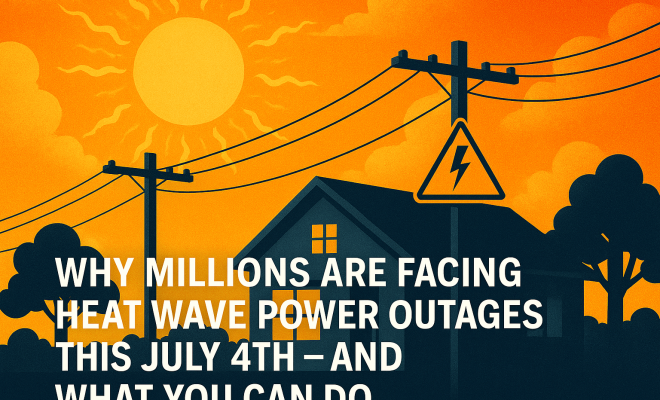
July 4th, 2026: Heat Wave Power Outages Loom for Millions
“`html
As millions of Americans gear up to celebrate Independence Day on July 4th, 2026, a stark and unsettling reality looms: many will be grappling with dangerous heat waves while facing the very real threat of power outages. In an unprecedented confluence of extreme weather and utility policy, 27 states allow utility companies to legally shut off power for unpaid bills, raising an urgent alarm about the implications for public health and safety. This article explores the layers of this crisis, the emotional turmoil it brings, and what individuals can do to advocate for themselves and their communities.
The Heat Wave Crisis: A National Emergency
As temperatures soar across the United States, heat waves have become a defining feature of the summer months. This July 4th, meteorologists warn of severe heat advisories affecting millions, with some areas experiencing record-breaking temperatures. According to the National Oceanic and Atmospheric Administration (NOAA), over 80 million people are expected to be in regions where heat indices could reach life-threatening levels, amplifying the urgency of this situation.
Heat waves are more than just uncomfortable; they pose significant health risks. The Centers for Disease Control and Prevention (CDC) reports that excessive heat causes more deaths each year than all other weather-related events combined. Vulnerable populations, including the elderly, children, and those with pre-existing health conditions, are at heightened risk. Ensuring access to power during such extreme conditions is crucial, but for many, this access is tenuous.
Understanding Heat Waves: Causes and Impact
To truly grasp the gravity of the heat wave crisis, it’s essential to understand what causes these extreme weather events. Heat waves are typically defined as prolonged periods of excessively hot weather, which may be accompanied by high humidity. They often result from a high-pressure system that traps warm air in a region, leading to soaring temperatures.
Climate change plays a significant role in the increasing frequency and intensity of heat waves. A report from the Intergovernmental Panel on Climate Change (IPCC) indicates that as global temperatures rise, the likelihood of extreme heat events will also increase. This not only jeopardizes public health but also places a strain on the energy grid as demand for cooling skyrockets.
In addition to health risks, heat waves can lead to infrastructure damage, particularly if power outages occur. Air conditioning units, electrical systems, and even public transportation can struggle to cope with heightened demand, leading to a cascading effect on community resources and services.
The Controversial Policy: Power Shut-Offs for Unpaid Bills
In 27 states across the nation, utility companies have the legal right to disconnect power for non-payment, a policy that becomes particularly alarming during a heat wave. While utility companies argue that they need to maintain financial viability and incentivize timely payments, critics contend this practice is reckless and dangerous. Families struggling to make ends meet can find themselves in dire situations where the cost of staying cool becomes a life-or-death decision.
The juxtaposition of rising temperatures and the threat of power shut-offs highlights a shocking paradox: energy infrastructure, designed to protect and serve the public, can also become a tool of exclusion. This creates a painful reality for those who need help most but may lack the resources to pay their bills on time.
Statistics from the American Council for an Energy-Efficient Economy (ACEEE) show that nearly 10% of U.S. households experience energy insecurity, meaning they struggle to pay their energy bills or keep their homes adequately cool. This number is expected to rise as heat waves become more prevalent, further complicating the issue.
Viral Outrage: The Social Media Reaction
The news of impending power shut-offs amid dangerous heat has sparked a wave of outrage on social media. Hashtags like #PowerShutOffCrisis and #HeatWavePowerOutages are trending as community leaders, activists, and concerned citizens share their stories and frustrations. Google Trends indicates a significant uptick in searches for terms like ‘power shut off heat’ and ‘utility bill help,’ reflecting a growing awareness of the crisis. (See: CDC on extreme heat risks.)
People are sharing not only their personal experiences but also advocating for policy changes. The conversations are becoming increasingly urgent, with many calling for moratoriums on utility shut-offs during heat waves — a demand that resonates deeply with those who recognize the life-threatening implications of losing power during extreme temperatures.
Public figures and influencers are also amplifying these messages, urging followers to call their representatives and demand action. This grassroots movement is gaining traction, leading to discussions at local and national levels about the need for reforms in utility policies.
Community Activism: Mobilizing for Change
In response to the growing crisis, grassroots organizations are mobilizing to support those affected by the heat wave power outages. Activists are organizing community events to raise awareness, distribute information on resources, and advocate for policy reforms that protect vulnerable populations. These efforts are not just about immediate relief; they aim to create systemic changes that prevent such crises in the future. We covered impact of extreme heat in more detail.
Local leaders are also engaging with utility companies and government officials to push for more compassionate policies. This includes calls for better communication regarding payment plans, increased accessibility to financial assistance, and the implementation of strict guidelines that prohibit shut-offs during extreme weather events. The collective voice of the community is becoming a powerful force for change.
Examples of successful community activism can be seen in cities like Los Angeles and San Francisco, where local organizations have partnered with governments to create programs that assist low-income families with utility payments. These initiatives not only provide financial relief but also connect families with resources to improve energy efficiency in their homes.
The Emotional Toll: Families at Risk
For families across the country, the threat of power shut-offs during a heat wave isn’t just an inconvenience; it’s a source of deep emotional distress. Imagine a family with young children or elderly relatives, anxiously waiting to see if their power will stay on as the temperatures climb. The stress of wondering if they can afford to keep their air conditioning running becomes a daily burden, exacerbating existing mental health issues.
Many individuals have shared heartbreaking stories of choosing between basic necessities like food and electricity. The emotional weight of these choices can be overwhelming. As stories circulate on social media, they galvanize support and solidarity, yet they also illuminate a troubling reality: the intersection of economic hardship and public health can be fatal during extreme weather.
Research has shown that prolonged exposure to extreme heat can lead to increased rates of depression and anxiety. Understanding this connection is crucial for advocates aiming to provide not only physical relief but also mental health support to those affected. Community programs that offer counseling services alongside utility assistance are increasingly seen as necessary components of comprehensive support systems.
Practical Steps: How to Stay Cool and Safe
In light of the ongoing heat wave and the looming threat of power outages, it’s vital to take practical steps to stay safe. Here are some actionable strategies to help you and your loved ones navigate this crisis:
- Know Your Rights: Familiarize yourself with local policies regarding utility shut-offs. Some states have regulations prohibiting disconnections during extreme weather events.
- Seek Assistance: Reach out to local community organizations that provide support for utility bills. Many offer programs designed to help families in financial distress.
- Stay Informed: Follow weather reports and local news for updates on heat advisories and safety tips. Being aware of the conditions can help you prepare.
- Use Fans Wisely: If air conditioning is unavailable, use fans to circulate air but be cautious to ensure they are operational if power is lost.
- Find Cooling Centers: Check for local cooling centers set up by municipalities or community organizations. These can provide a safe space to escape the heat.
In addition to these steps, consider sharing resources with your community. Establishing a neighborhood network can help disseminate information about available assistance and share tips on how to stay cool, especially for those who may not have access to the internet or social media.
The Role of Utility Companies: A Call to Action
Utility companies play a critical role during heat waves, and their policies can either alleviate or exacerbate the crisis. There’s a growing call for these companies to adopt more humane practices that prioritize public health over profit. This includes implementing grace periods for payments during extreme weather and actively reaching out to families who may be struggling financially. (See: NOAA heat advisories and warnings.)
Moreover, transparency is crucial. When utility companies communicate openly about their policies and the resources available to help families, they can foster trust and cooperation in the community. By working together, communities and utility companies can find solutions that protect public health while ensuring that essential services remain accessible to all.
Some utility companies are beginning to recognize the importance of community trust. For instance, several utilities have launched outreach programs to educate customers about energy efficiency and available assistance programs. These initiatives aim to build a rapport with customers and create a safety net that can help families avoid power shut-offs during critical periods.
Legislative Solutions: Advocating for Change
Advocacy for legislative changes is another avenue that individuals and organizations are exploring. New regulations could mandate that utility companies maintain service during extreme weather events and offer more flexible payment plans. Lawmakers are being urged to prioritize energy affordability and accessibility, recognizing that access to electricity is a fundamental right, especially during life-threatening conditions. See also climate change and kidney health.
Establishing such policies requires collective action and sustained pressure on elected officials. Grassroots campaigns, petitions, and coordinated lobbying efforts can help shift the dialogue toward more equitable energy policies that protect the most vulnerable in society. In states where advocacy efforts have gained momentum, there have been instances of successful bills being passed that protect consumers during extreme weather events.
For example, in California, a series of laws have been enacted that prevent utility shut-offs during extreme heat events. These legislative victories serve as a model for other states and highlight the power of community activism paired with strategic political engagement.
Frequently Asked Questions (FAQ)
What should I do if my power is shut off during a heat wave?
If your power is shut off, contact your utility provider immediately to discuss payment options or assistance programs. Many utilities have emergency resources in place to help affected customers during extreme weather.
Are there any government programs to assist with utility bills?
Yes, various federal and state programs offer assistance for utility bills, such as the Low Income Home Energy Assistance Program (LIHEAP). Local community organizations may also provide resources and support.
How can I prepare for a potential power outage during a heat wave?
Preparing for a potential outage includes having a backup cooling plan, such as finding nearby cooling centers, stocking up on water, and ensuring you have non-perishable food items. It’s also wise to keep your mobile devices charged and have a flashlight and batteries on hand.
What are the long-term effects of repeated heat waves on communities?
Repeated heat waves can lead to deteriorating public health, increased energy costs, and economic strain on vulnerable communities. Additionally, they can exacerbate pre-existing inequalities, making it even more challenging for low-income families to cope.
How can I get involved in advocating for change regarding utility shut-offs?
Getting involved can start with educating yourself on local policies and connecting with community organizations focused on energy justice. Participating in advocacy campaigns, attending town hall meetings, and raising awareness on social media are effective ways to engage. (See: New York Times on heat wave impact.)
Strategies for Homeowners: Enhancing Energy Efficiency
For homeowners, investing in energy efficiency can be a long-term solution to combat the stress of heat wave power outages. Simple steps like improving insulation, sealing windows and doors, and using energy-efficient appliances can significantly reduce energy consumption. This not only makes homes cooler during heat waves but can also lower electricity bills, easing the financial burden on families.
According to the U.S. Department of Energy, making energy-efficient upgrades to your home can save you up to 30% on your energy bill. Consider consulting with local energy auditors who can offer tailored advice on how to optimize your home’s performance. Additionally, exploring renewable energy options, such as solar panels, can provide a sustainable approach to managing energy needs, especially during peak usage times.
The Importance of Community Resources: Building Resilience
Communities can bolster their resilience against heat wave power outages by establishing resource hubs that provide access to information, cooling stations, and financial assistance. Local governments and non-profit organizations can work together to create a robust network that ensures everyone knows where to go for help. This network could include libraries, community centers, and churches that can serve as cooling stations during extreme heat events.
Another effective initiative is the creation of community gardens and green spaces. These areas not only provide cooling through shade but can also serve as a resource for fresh produce, helping families who may be struggling financially. Studies show that access to green spaces can improve mental health, providing a refuge during stressful times. By fostering community connections and collaboration, residents can collectively navigate the challenges posed by extreme heat.
Global Perspectives: Learning from Other Countries
Other countries facing extreme heat have implemented various strategies that the U.S. could learn from. For instance, in France, during the notorious heat wave of 2003, authorities established a national heat wave plan that included daily monitoring of vulnerable populations and proactive outreach to ensure that those at risk had access to cooling resources. This system significantly reduced heat-related mortality.
Australia has also faced its share of extreme heat events, leading to the development of programs aimed at increasing energy efficiency and community preparedness. Their approach includes public health campaigns that educate citizens on the dangers of heat and the importance of staying hydrated and cool. These international examples underscore the need for a comprehensive strategy that combines public health, community engagement, and robust infrastructure to combat the impacts of heat waves.
Conclusion: A Collective Responsibility
The dangerous intersection of heat waves and power shut-offs creates a crisis that demands immediate attention. As communities come together to advocate for change, it’s essential to recognize that we all have a role to play in addressing this issue. From supporting local initiatives to pushing for policy reform, each action contributes to a broader movement aimed at ensuring that everyone has the right to keep cool and safe during extreme weather conditions. This July 4th, let’s strive for an America where no one has to choose between paying their bills and protecting their health.
“`
Trending Now
Frequently Asked Questions
Why are power outages happening during the heat wave?
Power outages during heat waves occur due to increased demand for electricity as people use air conditioning to cope with extreme temperatures. Additionally, many utility companies are allowed to shut off power for unpaid bills, exacerbating the problem for vulnerable populations.
What states are most affected by heat wave power outages?
Currently, 27 states allow utility companies to disconnect power for unpaid bills, making them particularly vulnerable during heat waves. States experiencing severe heat advisories include those in the Midwest and Southern regions, where temperatures are reaching life-threatening levels.
How can I prepare for a power outage during a heat wave?
To prepare for a power outage during a heat wave, ensure you have a backup cooling method, such as fans or ice packs. Stock up on water and non-perishable food, and consider having a portable charger for your devices. Staying informed about local alerts is also crucial.
What health risks are associated with heat waves?
Heat waves pose significant health risks, including heat exhaustion and heatstroke, particularly for vulnerable populations like the elderly and those with pre-existing conditions. The CDC notes that excessive heat leads to more deaths annually than any other weather-related event.
What can communities do to address heat wave power outages?
Communities can advocate for policies that protect vulnerable residents from power disconnections during extreme heat events. This includes pushing for legislation that prevents utility shutoffs in emergency situations, increasing access to cooling centers, and raising awareness about heat safety.
What did we miss? Let us know in the comments and join the conversation.