Why Iran’s Reckless ADNOC Attacks Could Ignite a Global Oil Crisis
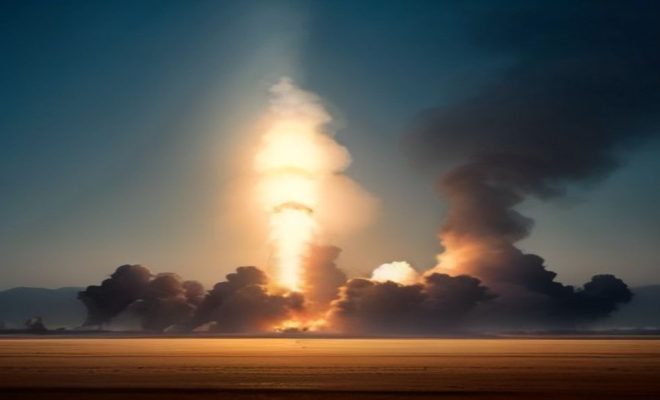
The Strait of Hormuz, that narrow, vital artery connecting the Persian Gulf to the open ocean, has always been a geopolitical pressure cooker. But recent events suggest the lid might just be blowing off. On Thursday evening, August 13, 2026, the United Arab Emirates leveled a damning accusation against Iran: two vessels belonging to the Abu Dhabi National Oil Company (ADNOC) were attacked in the Strait. The UAE didn’t mince words, calling it an act of “piracy” and a direct threat to the very foundation of global energy security. This isn’t just another skirmish; it’s a significant, troubling escalation that could send ripples of instability through every major economy on Earth.
While thankfully no injuries were reported in this latest incident involving the UAE Iran attacks ADNOC vessels, the timing and nature of the assault are deeply concerning. It follows hard on the heels of a similar maritime incident just days prior, and it unfolds against a backdrop of persistent, simmering US-Iran standoffs and blockades in the region. Think about what this means: a major oil producer, the UAE, openly accusing its regional rival, Iran, of targeting its state-owned oil company’s assets in the most critical choke point for global oil shipments. That’s not just a regional spat; it’s a direct challenge to international maritime law and a dangerous provocation that could have immediate and far-reaching consequences for oil prices, shipping routes, and the intricate web of international trade. Businesses and investors around the globe are already scrambling, trying to understand what this heightened instability means for supply chain disruptions and economic stability. Related reading: surge in crude oil prices.
The Strait of Hormuz: A Bottleneck of Global Significance
To truly grasp the gravity of the UAE’s accusation regarding the ADNOC vessels, you need to understand the Strait of Hormuz. Imagine a narrow hallway through which nearly a third of the world’s seaborne oil and a quarter of its liquefied natural gas (LNG) passes every single day. That’s the Strait of Hormuz. It’s a mere 21 nautical miles wide at its narrowest point, with shipping lanes just two miles wide in each direction. On one side lies Iran, and on the other, the UAE and Oman. This geographical reality makes it incredibly vulnerable to disruption, and history has shown us time and again that when tensions flare in this region, the entire global energy market holds its breath.
Any incident, whether accidental or intentional, in this critical waterway has immediate and dramatic implications. For landlocked nations or those without direct access to major shipping lanes, the Strait represents a crucial link to global markets. For the world’s energy consumers, it’s the primary conduit for a substantial portion of their daily fuel. When the UAE explicitly points the finger at Iran for attacks on ADNOC vessels, it’s not just complaining about a nuisance; it’s highlighting a fundamental vulnerability in the global energy supply chain. The sheer volume of crude oil, refined products, and natural gas that transits this strait makes it an irresistible target for those seeking to exert geopolitical leverage, and a nightmare scenario for those tasked with ensuring global energy security.
Decoding the Accusation: Piracy and International Law
The UAE’s use of the term “piracy” is deliberate and carries significant weight in international law. When you accuse a state actor, or proxies backed by a state, of acts of piracy against commercial vessels, you’re not just expressing displeasure; you’re asserting a violation of fundamental principles governing freedom of navigation and international commerce. Piracy, under international conventions like the United Nations Convention on the Law of the Sea (UNCLOS), typically refers to acts of violence or detention committed for private ends by the crew or passengers of a private ship or aircraft against another ship or aircraft on the high seas. However, the context here is critical: when a state is implicated, even indirectly, it elevates the incident from a criminal act to a potential act of aggression or state-sponsored terrorism.
What makes the UAE’s claim particularly potent is that these weren’t just any commercial ships; they were ADNOC vessels, owned by the national oil company of the UAE. This isn’t a random target; it’s a direct hit on a sovereign nation’s economic lifeline. This move by Iran, if proven, would be a blatant disregard for international norms that prohibit such actions against commercial shipping, especially in a vital international waterway. It sets a dangerous precedent, suggesting that economic assets of rival nations are fair game, and risks unraveling the fragile legal framework that underpins global maritime trade. The international community, therefore, finds itself in a precarious position, needing to respond firmly without inadvertently fanning the flames of a wider conflict.
The Shadow of Past Incidents and Ongoing Tensions
This isn’t an isolated event, a random act of aggression. The alleged UAE Iran attacks ADNOC vessels come after a period of escalating maritime incidents in the region, forming a troubling pattern. In recent years, we’ve seen a series of limpet mine attacks on tankers, drone strikes, and even ship seizures attributed, directly or indirectly, to Iran or its proxies. Remember the summer of 2019, when a series of attacks on oil tankers in the Gulf of Oman and near the Strait of Hormuz caused a global stir? While Iran consistently denied involvement, many international observers and intelligence agencies pointed to Tehran’s fingerprints.
These incidents aren’t happening in a vacuum. They are symptoms of a deeper, more entrenched geopolitical rivalry, exacerbated by the ongoing US-Iran standoff. The collapse of the Joint Comprehensive Plan of Action (JCPOA), often known as the Iran nuclear deal, and the subsequent re-imposition of crippling sanctions by the United States, have pushed Iran into an economic corner. Tehran views these sanctions as an act of economic warfare, and in response, has often threatened to disrupt oil shipments through the Strait of Hormuz as a retaliatory measure. These threats are now seemingly manifesting in actions, raising fears that Iran is willing to risk direct confrontation to pressure the international community, or simply to demonstrate its capacity for disruption. The concern is that each incident, including these alleged UAE Iran attacks ADNOC vessels, brings us closer to a miscalculation that could spiral out of control.
Economic Fallout: Oil Prices, Shipping, and Global Trade
When you talk about attacks in the Strait of Hormuz, the first thing everyone thinks about is oil prices. And rightly so. The moment news broke about the alleged UAE Iran attacks ADNOC vessels, the commodity markets would have braced for impact. Any perceived threat to the flow of oil through this strait typically sends crude futures soaring. Why? Because the market is pricing in risk – the risk of supply disruption, the risk of higher insurance premiums for shipping, and the general uncertainty that makes investors nervous. A significant, sustained disruption could easily push Brent crude well over $100 a barrel, perhaps even higher, especially if global strategic reserves are already somewhat depleted or if demand remains robust. (See: Strait of Hormuz overview.)
But it’s not just oil. The ripple effect extends to global shipping and trade. Shipping companies will immediately assess the risk profile of transiting the Strait. This means higher insurance premiums, known as war risk surcharges, which get passed down to consumers. Some companies might even consider longer, more expensive alternative routes, like circum navigating Africa, which adds significant time and fuel costs. This impacts everything from consumer goods to industrial components. In an already fragile global economy, grappling with inflation and post-pandemic recovery, such disruptions can have a devastating effect on supply chains, leading to delays, shortages, and ultimately, higher prices for pretty much everything. If these UAE Iran attacks ADNOC vessels continue, or escalate, the economic fallout could be substantial, affecting businesses and households worldwide.
Who Benefits from Instability? Iran’s Strategic Calculus
This is where things get really complex. Why would Iran risk such direct provocation, especially against a neighbor like the UAE, which has, at times, attempted to de-escalate tensions in the region? From Tehran’s perspective, these alleged UAE Iran attacks ADNOC vessels, if indeed carried out by them, serve multiple strategic purposes. Firstly, it’s a demonstration of capability and resolve. It sends a clear message: Iran can and will disrupt vital shipping lanes if it feels its own interests are threatened or if it continues to face severe economic pressure from international sanctions.
Secondly, it’s a bargaining chip. By raising the stakes in the Strait of Hormuz, Iran aims to pressure the international community, particularly European nations and potentially even the US, to re-engage on a more favorable nuclear deal or to ease sanctions. The idea is to make the cost of inaction (i.e., continuing current sanctions policy) higher than the cost of negotiation. Thirdly, it could be a warning to regional rivals like the UAE and Saudi Arabia, who are seen as closely allied with the US and Israel. It’s a way to demonstrate that their economic lifelines are vulnerable, even within their own territorial waters, and that their cooperation with adversaries comes with risks. It’s a dangerous game of brinkmanship, but one that Iran has shown itself willing to play repeatedly.
The UAE’s Response and Regional Implications
The UAE’s swift and unequivocal condemnation of the alleged UAE Iran attacks ADNOC vessels as “piracy” is a clear indication that Abu Dhabi views this as a red line. The UAE, a relatively stable and prosperous nation, has a significant interest in maintaining peace and security in the Gulf. Its economy, heavily reliant on oil exports and global trade, cannot afford sustained instability in the Strait of Hormuz. What will their response be? Historically, the UAE has preferred diplomatic channels and international pressure over direct military confrontation. However, a direct attack on its national oil company’s assets could change that calculus.
We can expect the UAE to lobby aggressively for international condemnation of Iran’s actions, potentially pushing for stronger sanctions or increased naval presence in the Strait. There’s also the question of regional alliances. The UAE is part of a broader network of Gulf Cooperation Council (GCC) states, many of whom share similar concerns about Iranian assertiveness. This incident could solidify these alliances and potentially draw in other regional powers, leading to a more unified front against Tehran. The immediate focus will be on securing its maritime assets and ensuring the safety of its shipping, but the long-term implications for regional security architecture are profound. Will this push the UAE closer to Israel, already a perceived adversary of Iran, in a shared front against a common threat? It’s a distinct possibility. We covered Iran's cargo ship seizures in more detail.
International Reactions and the Path Forward
The global community finds itself in a difficult position. On one hand, there’s a clear imperative to uphold freedom of navigation and condemn acts of aggression against commercial shipping. On the other, there’s a desperate desire to avoid a full-blown military conflict in a region already riddled with proxy wars and humanitarian crises. Key international players – the United States, the European Union, China, and India – all have vital economic interests tied to the Strait of Hormuz and will be watching this situation with extreme concern.
The United States, already deeply involved in the region and maintaining a significant naval presence, will likely reiterate its commitment to protecting international shipping. However, the exact nature of its response will be critical. Will it be rhetorical condemnation, increased sanctions, or a more assertive military posture? The EU, heavily reliant on Middle Eastern energy, will likely call for de-escalation and a return to diplomatic engagement. China and India, major importers of Gulf oil, will also advocate for stability, knowing that any disruption directly impacts their economic growth. The path forward is fraught with peril. It demands a delicate balance of firm condemnation, robust deterrence, and persistent, albeit difficult, diplomatic efforts to de-escalate tensions and find a sustainable resolution to the underlying US-Iran conflict that continues to fuel these dangerous incidents, including the UAE Iran attacks ADNOC vessels.
Investing in Uncertainty: Energy, Shipping, and Insurance
For investors and businesses, the alleged UAE Iran attacks ADNOC vessels create a landscape of heightened uncertainty, but also potential opportunities for those who can navigate the volatility. In the energy sector, this means a renewed focus on oil price forecasts. Analysts will be scrutinizing every piece of news from the Gulf, adjusting their models for supply disruptions and geopolitical risk premiums. Energy stocks, particularly those of companies with diverse production bases outside the Gulf or strong hedging strategies, might see increased interest. Conversely, companies heavily reliant on Gulf oil for their supply chains could face headwinds.
The shipping industry is another area feeling the immediate impact. Shipping insurance rates, especially for war risk, are already on an upward trajectory for vessels transiting the Strait of Hormuz. Companies specializing in maritime security, surveillance, and risk management solutions will likely see a surge in demand. For logistics and supply chain managers, this incident underscores the critical need for robust supply chain risk management solutions. Diversifying routes, building inventory buffers, and investing in real-time tracking and contingency planning become paramount. This isn’t just about reacting to a crisis; it’s about building resilience into global trade networks to withstand future shocks, because sadly, incidents like these alleged UAE Iran attacks ADNOC vessels are becoming an increasingly regular feature of the geopolitical landscape.
The Evolving Role of Technology in Maritime Security
In response to the growing threats in strategic waterways like the Strait of Hormuz, advancements in maritime security technology are becoming indispensable. It’s not just about patrol boats anymore. We’re talking about a multi-layered approach that includes sophisticated radar systems, satellite surveillance, and even AI-powered analytics to detect unusual vessel behavior. Imagine drones, both aerial and underwater, constantly monitoring shipping lanes, providing real-time intelligence to naval forces. This kind of technological edge can help identify potential threats long before they materialize, giving military and commercial vessels crucial seconds or minutes to react. (See: impact of geopolitical tensions.)
The UAE, being a technologically advanced nation with significant investments in its defense capabilities, is likely already integrating such systems. For ADNOC vessels, this could mean enhanced onboard security measures, better communication systems with naval escorts, and potentially even autonomous defensive capabilities. The challenge, of course, is that asymmetric threats like limpet mines or drone swarms are difficult to counter, even with advanced tech. This pushes the innovation envelope further, requiring continuous adaptation and investment in R&D to stay ahead of evolving threats from state and non-state actors alike. The goal is to create a digital shield that, combined with physical presence, can deter or neutralize attacks and ensure the safe passage of vital cargo.
The Human Element: Crew Safety and Seafarer Well-being
While discussions often focus on oil prices and geopolitical maneuvering, it’s crucial not to overlook the human cost of these incidents. Seafarers navigating the Strait of Hormuz face immense psychological pressure. They are, quite literally, on the front lines of a geopolitical chess match. News of attacks, like the alleged UAE Iran attacks ADNOC vessels, directly impacts their sense of safety and well-being. Shipping companies and flag states have a responsibility to provide robust safety protocols, mental health support, and adequate compensation for working in high-risk zones.
Increased security measures, while necessary, can also add to the stress. Think about extended periods in secure areas, stricter onboard rules, and the constant threat of a sudden incident. The international community, beyond just condemning acts of aggression, also needs to advocate for the rights and safety of these essential workers. Without them, global trade grinds to a halt. Ensuring their protection and providing them with the necessary support should be a central part of any strategy aimed at maintaining stability in dangerous waters. (closure of the Strait of Hormuz)
FAQ: Understanding the UAE Iran Attacks ADNOC Vessels
Q1: What exactly happened to the ADNOC vessels?
A: On August 13, 2026, the UAE accused Iran of attacking two vessels belonging to the Abu Dhabi National Oil Company (ADNOC) in the Strait of Hormuz. The UAE described these attacks as “piracy” and a direct threat to global energy security. Thankfully, no injuries were reported.
Q2: Why is the Strait of Hormuz so important?
A: The Strait of Hormuz is a critical maritime choke point. Roughly a third of the world’s seaborne oil and a quarter of its liquefied natural gas (LNG) passes through this narrow waterway daily. Any disruption there can significantly impact global energy prices and supply chains.
Q3: What does the UAE mean by “piracy” in this context?
A: While piracy typically refers to acts by private individuals for private gain, the UAE’s use of the term implies a severe violation of international maritime law. When a state actor is implicated, even indirectly, it elevates the incident from a criminal act to a potential act of state-sponsored aggression, which carries serious international legal ramifications.
Q4: Has Iran attacked vessels in the Strait of Hormuz before?
A: Yes, there’s a history of escalating maritime incidents in the region attributed, directly or indirectly, to Iran or its proxies. This includes limpet mine attacks on tankers, drone strikes, and ship seizures, particularly noticeable in the summer of 2019. Iran consistently denies direct involvement in these incidents.
Q5: How do these attacks affect global oil prices?
A: Attacks in the Strait of Hormuz typically cause oil prices to rise. Markets react to the perceived risk of supply disruption, leading to higher crude futures. Increased instability also leads to higher insurance premiums for shipping, which adds to overall costs. (See: recent Middle East tensions.)
Q6: What are the broader economic consequences beyond oil prices?
A: Beyond oil, these incidents impact global shipping and trade. Higher war risk surcharges for insurance are passed on to consumers. Some shipping companies might opt for longer, more expensive alternative routes, causing delays, shortages, and ultimately higher prices for a wide range of goods in an already fragile global economy.
Q7: What is Iran’s strategic motivation for such actions?
A: Iran’s alleged actions serve multiple purposes: demonstrating its capability to disrupt vital shipping lanes, using it as a bargaining chip to pressure the international community for a more favorable nuclear deal or sanctions relief, and signaling a warning to regional rivals allied with the US.
Q8: How might the UAE respond to these attacks?
A: The UAE will likely seek international condemnation and potentially push for stronger sanctions or an increased naval presence in the Strait. While historically preferring diplomacy, a direct attack on ADNOC assets could shift its calculus, potentially solidifying regional alliances against Iran.
Q9: What role does the US-Iran standoff play in these incidents?
A: The ongoing US-Iran standoff, particularly the US withdrawal from the JCPOA and re-imposition of sanctions, has significantly escalated regional tensions. Iran views sanctions as economic warfare and has often threatened to disrupt oil shipments as retaliation, which appears to be manifesting in these incidents.
Q10: What are the international community’s options for de-escalation?
A: The international community faces a challenge to uphold freedom of navigation while avoiding military conflict. This requires a delicate balance of firm condemnation of aggressive acts, robust deterrence (potentially through increased naval presence), and persistent diplomatic efforts to address the underlying US-Iran conflict and find a sustainable resolution.
The alleged UAE Iran attacks ADNOC vessels in the Strait of Hormuz are more than just a regional flare-up; they are a stark reminder of the fragile interconnectedness of our global economy and the persistent dangers lurking in vital choke points. While we all hope for a swift de-escalation and a return to stability, the incident serves as a critical wake-up call for governments, businesses, and individuals alike. Ignoring these escalating tensions is no longer an option; the potential for wider economic and geopolitical fallout is simply too great to disregard. See also Iran mobilizes youth forces.
Trending Now
Frequently Asked Questions
What happened to ADNOC vessels in the Strait of Hormuz?
On August 13, 2026, two vessels belonging to the Abu Dhabi National Oil Company (ADNOC) were attacked in the Strait of Hormuz. The United Arab Emirates accused Iran of this act, labeling it as piracy and a direct threat to global energy security.
Why is the Strait of Hormuz significant for global oil supply?
The Strait of Hormuz is a critical chokepoint through which nearly a third of the world's seaborne oil passes. Its strategic importance makes it a focal point for geopolitical tensions and any disruptions can significantly impact global oil prices and supply chains.
How could the ADNOC attacks affect global oil prices?
The attacks on ADNOC vessels have raised concerns about potential supply disruptions in a key oil transit route. Such instability can lead to increased oil prices as businesses and investors react to the heightened risk in the region.
What are the implications of Iran's actions in the Strait of Hormuz?
Iran's attacks on vessels in the Strait of Hormuz represent a significant escalation in regional tensions. This not only challenges international maritime law but also poses a threat to global economic stability and energy security.
What should businesses know about the recent attacks on ADNOC vessels?
Businesses should be aware that the recent attacks may lead to supply chain disruptions and increased costs. The instability in the Strait of Hormuz can affect shipping routes and oil prices, making it crucial for companies to assess their risk exposure.
What did we miss? Let us know in the comments and join the conversation.