Gen Z Travel Habits: Reshaping the Future of Travel
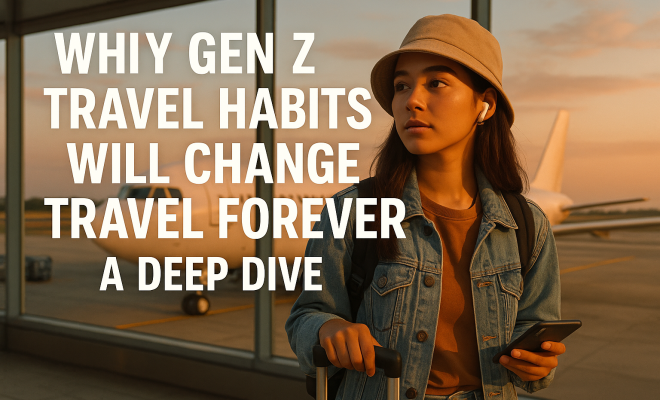
“`html
In recent years, a fascinating debate has emerged on social media platforms about travel habits between Generation Z and Baby Boomers. This generational divide isn’t just about the destinations or the experiences; it reflects a broader cultural shift in how we view travel, information gathering, and even social engagement. The way Gen Z approaches travel is reshaping expectations and practices for everyone else, making this conversation not just interesting, but essential.
1. The Rise of Discovery Engines
For older generations, planning a trip typically involves a well-defined process: scour the internet for reviews, check out travel guides, and consult maps. However, Gen Z is turning that approach on its head. This younger demographic is leveraging platforms like Instagram and TikTok, which have evolved into powerful discovery engines for travel. Instead of looking through traditional sources, they engage with eye-catching visuals and authentic experiences shared by other users. This shift highlights how Gen Z travel habits are less about meticulous planning and more about spontaneous discovery.
The power of these platforms lies in their instant accessibility. A simple search on Instagram can yield thousands of posts showcasing travel experiences in real-time. This allows Gen Z travelers to find destinations that resonate with their interests and aesthetics, making the planning process feel less daunting and more exciting. As social media algorithms become more sophisticated, the tailored recommendations push the boundaries of travel exploration further than ever before.
2. FOMO: The Fuel Behind Gen Z Travel
Fear of Missing Out, or FOMO, is a powerful driving force in Gen Z’s travel habits. It’s not just about seeing beautiful places; it’s about participating in experiences that others are sharing in real-time. With platforms like TikTok rapidly showcasing trending destinations and activities, the urgency to experience them firsthand becomes palpable. Users might find themselves compelled to travel to a particular location simply because they’ve seen it featured in a viral video.
This urgency often leads to impulsive travel decisions. Unlike previous generations that may have prioritized careful planning, Gen Z frequently opts for spontaneity, influenced by what they see online. The emotional engagement and relatability of social media content create a strong desire to replicate experiences, pushing many to prioritize travel over other expenses or commitments.
3. The Debate: Is Social Media Replacing Traditional Travel Guides?
This shift in how travel information is consumed has sparked a heated debate among older travelers and travel professionals. Many Baby Boomers view social media as unreliable or superficial, often favoring traditional travel guides that offer an in-depth look at destinations. They argue that these curated sources provide context and history that social media lacks. On the flip side, Gen Z advocates for the immediacy and relatability of platforms like Instagram, asserting that they provide a more authentic glimpse into what traveling to a destination is truly like.
This debate is not just limited to casual travelers. Travel companies and industry experts are also weighing in, trying to adapt to this new landscape. Many are beginning to recognize that social media is not just a tool for engagement but a critical component of marketing strategies. As a result, they are changing how they present information, often incorporating user-generated content to connect with younger audiences.
4. Visual Storytelling in Travel
Gen Z is the first generation to grow up with social media integrated into their daily lives. As a result, their travel habits reflect a preference for visual storytelling. Platforms like Instagram prioritize images and short videos, showcasing travel in a format that resonates with this generation. They are less interested in text-heavy content and more drawn to captivating visuals that tell a story, whether it’s a beautiful sunset in Santorini or street food in Tokyo.
This emphasis on visuals influences not only how Gen Z chooses their destinations but also how they document their travels. Many travelers now consider their social media presence as an essential part of their travel experience, often curating their journeys to ensure they capture perfect moments for their followers. This creates a cycle where destinations must adapt to the expectations of social media-savvy travelers, leading to an evolving landscape in tourism.
5. Influencer Culture and Its Impact
Influencer culture plays a significant role in shaping Gen Z travel habits. Unlike previous generations who might have relied on travel agents or guidebooks, many younger travelers turn to influencers for recommendations. This trend highlights how trust has shifted from traditional voices to relatable figures on social media, who often present experiences that feel more authentic and approachable.
Prominent travel influencers often curate stunning content that captivates their audience, effectively driving traffic to various destinations. The impact of influencer marketing in the travel sector is staggering, with many destinations partnering with influencers to create tailored experiences that resonate with their followers. This collaboration serves as an advertisement that feels more like a personal recommendation, making it highly effective in attracting a Gen Z audience. (See: how social media influences travel.)
6. Budget Travel: Value Over Luxury
When it comes to spending habits, Gen Z travelers are more budget-conscious than previous generations. Economic factors, including student debt and rising living costs, have influenced their approach to travel. Instead of indulging in luxury accommodations, many Gen Z travelers prioritize unique experiences that fit their financial constraints.
This focus on budget travel doesn’t mean that Gen Z is compromising on quality. Instead, they are seeking out experiences that provide value for money—like staying in hostels, participating in local tours, or exploring nature. Many are also utilizing technology to find the best deals, often relying on mobile apps and social media to identify affordable options that fit their travel goals.
7. Prioritizing Sustainability
Another significant aspect of Gen Z travel habits is a strong emphasis on sustainability. Growing up amid climate change conversations and environmental crises, many young travelers approach their journeys with a sense of responsibility. They are more inclined to choose eco-friendly accommodations, support local businesses, and participate in sustainable tourism practices.
This shift is not just a trend; it reflects a fundamental change in values. Traveling sustainably aligns with many Gen Z members’ desire to leave a positive impact on the world. They often research the environmental practices of companies and destinations before booking their trips, prioritizing those that demonstrate a commitment to sustainability. As a result, travel companies are increasingly adapting to this demand, offering greener options to attract this conscientious demographic.
8. Community and Connection
For Gen Z, travel is not just about the destination; it’s also about building connections and community. This generation is more likely to seek out opportunities to engage with local cultures and meet other travelers. Whether through group tours, volunteer programs, or staying with locals, the emphasis is on creating meaningful interactions.
This focus on connection is often reflected in their travel choices. Many prefer experiences that allow them to interact with locals, gain insights into their cultures, and form relationships. Social media has also facilitated this connection, providing platforms for travelers to share their stories and experiences with a global audience, creating a larger community of like-minded individuals.
9. Flexible Travel Plans
Flexibility is key in the travel habits of Gen Z. Unlike previous generations that may have followed a strict itinerary, younger travelers often adopt a more laid-back approach to their plans. They are more likely to change their destinations or activities based on recommendations from friends or social media influences, embracing spontaneity and adaptability as part of their travel experience.
This adaptability is not merely based on whims; it reflects a deeper understanding that travel is about experiences rather than rigid plans. Gen Z travelers often prioritize the moment and what feels right at the time, allowing them to immerse themselves fully in their experiences. This mindset fosters a sense of joy and discovery that transcends the traditional travel model, transforming how trips are approached, planned, and enjoyed.
10. The Future of Travel
As Gen Z continues to shape travel habits, the industry must evolve to meet their preferences and expectations. The increasing reliance on social media for travel inspiration, the demand for sustainable practices, and the desire for community engagement all signal a changing landscape in tourism. Travel companies that adapt to these trends will likely find success in attracting this discerning audience.
This generational shift is more than just a trend; it represents a fundamental change in how we view travel. The emotional engagement and relatability of social media, combined with a focus on experiences and sustainability, highlight the transformation that is taking place across the travel industry. As we move forward, embracing these changes will be essential for anyone looking to thrive in the world of travel.
11. Traveling Solo: The Rise of Independent Adventures
For Gen Z, traveling solo has become increasingly popular, breaking away from traditional group travel norms. Many young travelers see solo trips as a means of self-discovery and personal growth. According to a survey by Hostelworld, 72% of Gen Z respondents indicated they would consider a solo trip at least once in their lifetime, reflecting a significant shift in mindset toward independent travel.
Solo travel offers Gen Z the opportunity to connect with themselves and explore destinations at their own pace. It allows for spontaneity and the chance to meet new people on the road, whether through shared accommodations or local events. This new wave of solo travelers is contributing to the popularity of hostels and budget-friendly accommodations, which cater to the social needs of young travelers looking to forge connections with fellow adventurers. (See: Gen Z travel trends and behaviors.)
12. Technology’s Role in Enhancing Travel Experiences
Technology plays an integral role in shaping Gen Z travel habits. From booking flights to navigating new cities, the convenience provided by mobile applications has revolutionized how travel is experienced. Apps like Google Maps, Airbnb, and travel forums assist in enhancing the overall travel experience, allowing Gen Z to make informed decisions on the go.
Moreover, virtual reality (VR) and augmented reality (AR) are increasingly influential in the travel sector. For instance, VR experiences allow potential travelers to “preview” destinations before making a commitment. This tech-savvy generation embraces these innovations, seeking immersive ways to explore new cultures and locales even before they arrive. Travel brands that incorporate these technologies are likely to resonate more strongly with Gen Z.
13. Culinary Experiences: Food as a Travel Motivation
Food has become a primary motivation for many Gen Z travelers, who often prioritize culinary experiences during their trips. This generation is keen on exploring local cuisines and food culture, often documenting their gastronomic adventures on social media platforms. According to a study by Booking.com, 38% of Gen Z travelers expressed a desire to participate in food tours or classes during their travels. This interest transcends merely eating; it also involves understanding the history and cultural significance behind various dishes.
This focus on culinary experiences has led to a rise in food tourism, with many destinations now actively promoting their local offerings. Street food markets, cooking classes, and culinary festivals are becoming attractive draws for young travelers eager to indulge their taste buds while exploring new cultures. Travel companies that recognize this trend and offer focused culinary experiences are likely to attract a larger share of the Gen Z market.
14. Safety and Health Considerations
As travel resumes post-pandemic, Gen Z travelers are more conscious about health and safety protocols than previous generations. They seek destinations and accommodations that prioritize cleanliness and safety measures. This trend has prompted many travel providers to enhance their sanitary practices and communicate these improvements clearly to potential travelers.
Health considerations also extend to mental well-being. Many Gen Z travelers look for destinations that offer wellness options, such as yoga retreats, spa days, or nature-centric experiences that promote relaxation and mental health. A survey by Expedia found that 63% of Gen Z travelers incorporate wellness activities into their travel itineraries, showcasing their commitment to self-care while on the go.
15. Frequently Asked Questions (FAQ)
What are Gen Z travel habits compared to previous generations?
Gen Z tends to prioritize spontaneity, technology, and authenticity in their travel experiences. They rely heavily on social media for inspiration and often seek budget-friendly, sustainable options. Unlike Baby Boomers, who may favor traditional planning methods, Gen Z embraces flexibility and community engagement during their travels.
How does social media influence Gen Z travel choices?
Social media platforms like Instagram and TikTok serve as discovery engines for Gen Z travelers. They look for visually stunning content and relatable experiences shared by influencers or peers, which significantly impacts their destination choices and travel plans.
Are Gen Z travelers more budget-conscious?
Yes, many Gen Z travelers are budget-conscious, influenced by economic factors such as student debt and the rising cost of living. They prioritize unique, affordable experiences over luxury accommodations and often seek value-driven options.
Why is sustainability important to Gen Z travelers?
Sustainability is a core value for Gen Z, who are highly aware of environmental issues. This generation seeks to minimize their ecological footprint while traveling, opting for eco-friendly accommodations and supporting local businesses that prioritize sustainable practices. (See: impact of social media on travel decisions.)
What role does technology play in Gen Z travel experiences?
Technology is integral to Gen Z travel, facilitating everything from research and booking to navigation and social sharing. Mobile apps, VR experiences, and social media enhance their travel experiences and allow them to stay connected while exploring new destinations.
16. The Impact of Post-Pandemic Travel
The COVID-19 pandemic has notably impacted Gen Z travel habits, introducing a new layer of awareness surrounding travel safety and personal health. Many young travelers are now more cautious, opting for destinations that have implemented rigorous health protocols. This change is reflected in their choice of accommodations, with a preference for properties that emphasize cleanliness and safety measures.
Additionally, the pandemic has highlighted the importance of outdoor activities and less crowded destinations. Many Gen Z travelers are choosing to explore national parks, remote beaches, and other outdoor spaces to avoid crowded tourist hotspots. This trend aligns well with their appreciation for nature and the desire for unique experiences that allow for social distancing.
17. Unique Travel Trends Among Gen Z
Another interesting trend among Gen Z travelers is the rise of “bleisure” travel—a blend of business and leisure travel. With remote work becoming more prevalent, many Gen Z professionals are taking advantage of this flexibility by extending work trips into leisurely vacations. They see this as an opportunity to explore new locations while fulfilling their work obligations.
According to a study by Morning Consult, 45% of Gen Z workers are interested in taking bleisure trips, demonstrating a shift in how the younger workforce views work-life balance. This trend allows them to experience new cultures while still being productive, showcasing their adaptability and desire for a fulfilling lifestyle.
18. Traveling with Purpose
For Gen Z, traveling with purpose has become increasingly important. Many young travelers are looking for experiences that go beyond mere sightseeing, seeking opportunities to engage in volunteer work or contribute positively to the communities they visit. This focus on meaningful travel reflects their desire to make a positive impact while exploring the world.
Organizations that offer volunteer-based travel programs are gaining popularity among Gen Z. This demographic is drawn to projects that align with their values, whether it’s working on conservation efforts, teaching English to local children, or participating in community development initiatives. Such experiences resonate deeply with Gen Z, allowing them to fulfill their desire for connection and contribution.
19. Conclusion
The travel habits of Generation Z are not merely a reflection of their distinct preferences; they are a clear indication of how travel is evolving in the modern age. With a focus on technology, sustainability, and authentic experiences, Gen Z is reshaping the travel landscape. As they continue to influence the industry, the emphasis on flexibility, community connection, and purpose-driven travel will likely set the tone for future generations. Understanding these trends is essential for businesses in the travel sector to connect effectively with this dynamic audience.
“`
Trending Now
Frequently Asked Questions
How does Gen Z approach travel differently than older generations?
Gen Z tends to prioritize spontaneous discovery over meticulous planning. They leverage social media platforms like Instagram and TikTok as discovery engines, seeking authentic experiences shared by peers rather than relying on traditional travel guides.
What role does social media play in Gen Z's travel habits?
Social media significantly influences Gen Z's travel choices. Platforms like Instagram and TikTok provide instant access to visually captivating content and real-time experiences, allowing this generation to explore destinations that align with their interests and aesthetics.
What is FOMO and how does it affect Gen Z's travel decisions?
FOMO, or Fear of Missing Out, drives Gen Z's travel behavior by creating a sense of urgency to experience trending destinations and activities. This phenomenon is amplified by social media, where they see peers enjoying experiences they want to participate in.
Are Gen Z travelers more influenced by peers than traditional reviews?
Yes, Gen Z travelers are more influenced by peer-generated content on social media than by traditional reviews. They value authentic experiences shared by others over conventional travel advice, making social media a key factor in their travel planning.
How is Gen Z changing the travel industry?
Gen Z is reshaping the travel industry by prioritizing unique experiences and spontaneous travel. Their reliance on social media for inspiration is prompting businesses to adapt their marketing strategies and offerings to cater to this new generation of travelers.
Have you experienced this yourself? We’d love to hear your story in the comments.