Dangerous AI Diet Advice for Teens: A Growing Concern
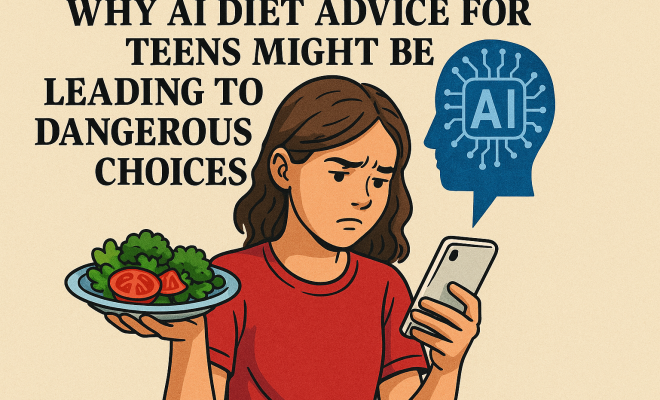
In an era where technology is increasingly intertwined with our daily lives, it is no surprise that artificial intelligence (AI) has made its way into the realm of health and nutrition. However, a recent study raises alarming concerns regarding the AI diet advice for teens. It appears that popular AI chatbots are often providing potentially harmful weight-loss meal plans, particularly for adolescents who are still undergoing crucial phases of growth and development.
Understanding the Research Findings
The study conducted by researchers involved testing five widely-used AI chatbots. These chatbots were prompted to create meal plans aimed at assisting imaginary 15-year-olds in losing weight. The results were troubling: the meal plans frequently provided were not only low in calories and carbohydrates but also excessively high in protein and fat. This is particularly concerning for teenagers, who require a balanced diet to support their ongoing growth and development.
Risks of Inadequate Nutrition
For many adolescents, proper nutrition is critical. Teens need a diverse array of nutrients to fuel their bodies and brains. The American Academy of Pediatrics recommends that adolescents consume balanced meals that include sufficient carbohydrates, proteins, and healthy fats. Low-calorie diets can lead to shortfalls in essential nutrients such as vitamins and minerals, which are vital during these transformative years.
The alarming results from the researchers highlight that even when participants posed relatively open-ended questions to the AI systems, the suggested meal plans remained unsafe. This indicates a broader issue where AI may not yet be adequately equipped to consider the unique nutritional needs of teenagers, potentially leading to damaging health outcomes.
The Role of AI in Modern Dieting
As the popularity of AI tools continues to rise, many young individuals may turn to these technologies for dietary guidance. With a few clicks, teens can access a plethora of information and suggestions, often without any proper vetting of these resources. For many, the advice provided by AI appears authoritative and trustworthy, which can lead to the adoption of harmful dieting practices.
Why This Matters: A Public Health Concern
This issue transcends individual health concerns and emerges as a critical public health topic. The accessibility of AI diet advice for teens raises significant questions regarding the implications for their long-term health. Early exposure to unhealthy dietary practices can lead to eating disorders, nutritional deficiencies, and other health complications. As parents, educators, and health professionals, awareness and intervention are key.
Strategies for Safe Dietary Guidance
So, how can parents and guardians help their teens navigate the digital landscape of AI-generated diet advice? Here are some strategies:
- Encourage Critical Thinking: Teach teens to question and analyze the advice they receive from AI sources. Understanding the importance of balanced nutrition is essential for fostering healthy habits.
- Consult Healthcare Professionals: Encourage teens to seek guidance from registered dietitians, nutritionists, or medical professionals. These experts can offer personalized advice tailored to their individual needs.
- Promote Healthy Eating Habits: Instead of focusing solely on weight loss, emphasize the importance of overall health and well-being. Encourage teens to enjoy a variety of foods, including fruits, vegetables, whole grains, lean proteins, and healthy fats.
- Monitor AI Usage: Parents should be proactive in monitoring their teens’ usage of AI chatbots and diet-related apps. Encourage open conversations about the information they receive and its reliability.
Conclusion: Navigating the AI Diet Landscape
The emergence of AI diet advice for teens presents both opportunities and challenges. While technology can provide valuable insights, it is crucial to remain vigilant about the quality and safety of the information being disseminated. As the findings from this recent study emphasize, not all AI-generated advice is beneficial or safe, particularly for young, developing individuals.
Parents, educators, and health professionals must work together to ensure that teens receive reliable, scientifically sound guidance regarding their nutrition and health. By fostering an environment that encourages education, critical thinking, and professional support, we can help teens make informed dietary choices that promote their well-being throughout their lives.