AI Chatbot Trust Plummeting: Why Users Are Losing Confidence in 2024
“`html
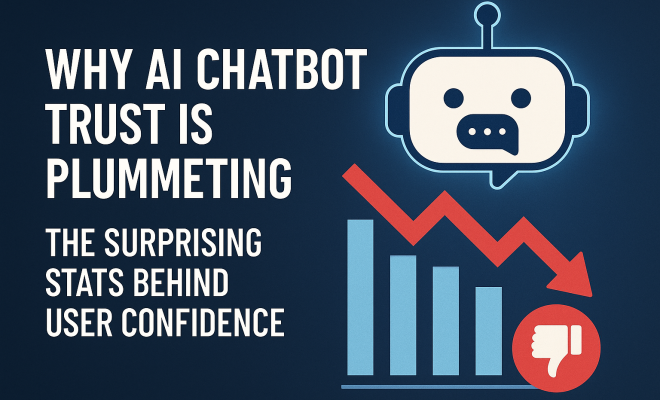
The digital landscape is evolving at breakneck speed, especially with the rise of AI technologies. A recent statistic reveals an intriguing trend: 49% of US adults are now using AI chatbots, a considerable leap from just 33% in 2024. However, there’s an unsettling twist—only 29% of these users express significant trust in the information provided by these digital assistants. This stark contrast between the growing usage and dwindling trust has sparked intense conversations on social media, as consumers share their experiences with AI-generated misinformation and errors. The concept of AI chatbot trust has never been more relevant, and this article explores the factors contributing to this crisis.
The Surge in AI Chatbot Usage
In recent years, AI chatbots have become ubiquitous, from customer service applications to personal assistants. The fact that nearly half of US adults have adopted these technologies reflects a growing reliance on automation to streamline various aspects of life. As businesses increasingly deploy chatbots to enhance efficiency, it’s clear that people are willing to embrace the convenience they offer.
According to the latest data from Pew Research, the surge from 33% to 49% represents a 16-point increase in usage within just a couple of years. This growth can be attributed to several factors, including the pandemic’s push towards digital solutions and the increasing sophistication of chatbot technology. As AI becomes more integrated into our daily routines, many users may feel compelled to try out these tools, even as they grapple with their efficacy.
The Trust Gap: Usage vs. Confidence
Despite the impressive uptake of AI chatbots, the low trust levels present a significant paradox. With only 29% of users expressing confidence in the information provided, there’s a clear disconnect that needs to be addressed. Why is it that nearly half of the population is using these tools, yet a vast majority remain skeptical of their accuracy?
One explanation lies in the frequent reports of AI-generated errors. Users have shared personal anecdotes of incorrect answers, misleading information, and even inappropriate responses. Social media platforms are rife with stories illustrating these failures, leading to broader concerns about the reliability of AI-generated content. When users encounter inconsistencies or inaccuracies, it naturally sows distrust, causing them to second-guess the information they receive.
AI Misinformation: A Growing Concern
The topic of AI misinformation is currently a hot-button issue, and for good reason. As 60% of adults now report reading AI-generated summaries of search results, the stakes are high for ensuring that these tools provide accurate and reliable content. Misleading information can have real-world consequences, affecting everything from consumer behavior to public opinion.
Moreover, the rise of misinformation is compounded by the speed at which AI technologies evolve. As chatbots grow more sophisticated, they can craft responses that appear legitimate, even when they’re not. This creates a false sense of security for users, who may unknowingly trust information that isn’t accurate. The trust crisis in AI chatbots stems not just from individual experiences, but also from the broader implications of misinformation in our society.
The Fear of Missing Out (FOMO)
In an era dominated by technology, the fear of missing out (FOMO) is more pronounced than ever, particularly when it comes to digital advancements like AI chatbots. Many users feel a strong urge to stay informed and connected, leading them to adopt technologies even when they harbor doubts about their reliability. This fear is compounded by the rapid pace of technological change, which can leave individuals feeling overwhelmed.
This sense of urgency to engage with AI tools often clouds judgment, as users may prioritize convenience over trustworthiness. The reality is that while AI chatbots can provide immediate answers, the reliability of those answers is still under scrutiny. It’s imperative for users to balance the desire for rapid information with the need for accuracy. Understanding this balance is crucial for navigating the digital landscape safely. (See: New York Times on AI chatbot trust.)
The Role of Social Media in Shaping Perceptions
Social media plays a pivotal role in shaping public perceptions of AI. Platforms like Twitter and Facebook have become breeding grounds for discussions about AI chatbot trust. Viral posts sharing experiences of misinformation or errors can amplify distrust among users, contributing to a broader narrative of skepticism.
Moreover, these discussions are often fueled by sensational headlines and clickbait content, which can exaggerate the negative aspects of AI technologies. As users share their stories, they inadvertently create an echo chamber where fears about AI chatbot reliability are magnified. This can lead to a snowball effect, where individuals become even more hesitant to trust AI tools due to the collective anxiety expressed on social media.
Expert Opinions on AI Trust Issues
To gain a more nuanced understanding of this trust crisis, it’s important to consider expert opinions. Many industry leaders agree that building AI chatbot trust requires concerted efforts from developers, businesses, and policymakers alike. “Transparency is key,” says Dr. Emily Chen, a leading AI ethicist. “Users need to understand how these systems work and the limitations they possess. Without transparency, trust will always be a challenge.”
Furthermore, Dr. Chen emphasizes the need for robust testing and validation of AI technologies before they’re deployed. By ensuring that chatbots are reliable and accurate, developers can help build user confidence. “It’s not just about creating technology; it’s about ensuring that technology serves its users effectively,” she adds.
Case Studies: The Impact of Misinformation
One of the most compelling ways to illustrate the implications of misinformation is through case studies. For instance, in 2022, a widely publicized incident involved an AI chatbot providing erroneous medical advice, which led to public outcry and calls for stricter regulations. This event highlighted the potential dangers of AI misinformation and underscored the importance of trust in these technologies.
Another case involved an AI-powered customer service bot that misinterpreted a user’s query, leading to a frustrating interaction. The fallout from this incident prompted the company to reevaluate its chatbot’s training data and algorithms, demonstrating the tangible impact of misinformation on user experience. These examples serve as stark reminders of why building AI chatbot trust is crucial for the future of these technologies.
Strategies for Building Trust in AI Technologies
So, how can businesses and developers work to improve trust in AI chatbots? Here are several strategies that can help:
- Transparency: Be open about how chatbots function and how they process information. Providing users with insights into the technology can help alleviate concerns.
- Quality Control: Implement rigorous testing and validation processes to ensure that chatbots provide accurate and relevant information.
- Feedback Mechanisms: Encourage users to report errors or inaccuracies, creating a feedback loop that can help improve the chatbot over time.
- User Education: Inform users about the limitations of AI technologies, helping them develop realistic expectations about what chatbots can and cannot do.
- Ethical Guidelines: Establish ethical standards for AI development and deployment to ensure that user interests remain at the forefront.
The Future of AI Chatbot Trust
Looking ahead, the future of AI chatbot trust hinges on how well stakeholders can address the current challenges. As the technology continues to evolve, so too will the expectations of users. The balance between innovation and trust will be critical in determining whether AI chatbots can become reliable tools in our everyday lives.
There’s a significant opportunity for companies to foster trust through proactive measures and transparent communication. As users become more educated about AI technologies, they may be more willing to engage with these tools, bridging the gap between usage and confidence.
Common Misconceptions about AI Chatbot Reliability
When it comes to AI chatbots, several misconceptions can lead to misunderstandings about their reliability. Let’s debunk some of the common myths: (See: ScienceDirect on AI and user trust.)
- AI Chatbots Are Infallible: Many users assume that AI chatbots, being based on advanced technologies, must be correct in their responses. In reality, these systems can misinterpret user input or generate inaccurate information.
- All AI Chatbots Are the Same: There’s a wide variance in the performance and capabilities of chatbots. Some are designed for specific tasks with high accuracy, while others may struggle with general queries.
- Users Cannot Influence AI Performance: Users often think they are powerless in improving chatbot accuracy. However, providing feedback on errors can significantly enhance the learning process for these systems.
The Importance of User Feedback
Incorporating user feedback is crucial for enhancing AI chatbot trust. When users report inaccuracies, they help developers identify shortcomings and areas needing improvement. Here’s how user feedback plays a pivotal role:
- Real-Time Adjustments: Feedback allows for rapid adjustments to the chatbot’s algorithms, leading to improved performance and accuracy over time.
- Building a Knowledge Base: User experiences can contribute to creating a comprehensive knowledge base that informs future iterations of the chatbot.
- User Engagement: Involving users in the improvement process can foster a sense of community and trust, making them feel valued and heard.
Statistics on AI Chatbot Usage and Trust
Understanding the landscape of AI chatbot usage and trust is essential for identifying trends and informing future developments. Here are some key statistics that illustrate this relationship:
- Only 29% of users trust the information provided by AI chatbots, despite 49% actively using them.
- Research indicates that 62% of users have encountered incorrect information from chatbots, which significantly undermines their trust.
- Studies show that 75% of users expect high accuracy, with a significant drop in engagement once they encounter an error.
- A survey revealed that 58% of users believe transparency in operations would enhance their trust in AI chatbots.
The Role of AI Ethics in Building Trust
Ethical considerations are paramount in AI development, especially when it comes to building user trust. Here are some ethical dimensions that companies should prioritize:
- Data Privacy: Ensuring that user data is handled responsibly and transparently is essential for fostering trust. Users need to feel secure that their personal information is protected.
- Bias Mitigation: AI chatbots can inadvertently perpetuate biases present in their training data. Developers must actively work to identify and eliminate such biases to enhance fairness and reliability.
- Accountability: Companies should establish clear accountability measures for AI-generated content. This ensures that users know where to turn when inaccuracies arise.
AI Chatbot Applications Across Various Sectors
AI chatbots are not confined to a single industry; they have found applications across various sectors, each with its own set of challenges and trust issues. Here’s a look at how different sectors utilize AI chatbots and the trust factors involved:
- Healthcare: In this sector, chatbots can provide medical advice. However, the stakes are high, and misinformation can have dire consequences, necessitating stringent trust measures.
- Finance: Financial institutions use chatbots for customer service, but trust is crucial here, as users need to feel confident in the accuracy of financial advice.
- Retail: Retailers utilize chatbots for assisting customers with queries and purchases. Trust impacts user engagement, as customers often rely on chatbots for product recommendations.
- Education: Educational chatbots offer tutoring and information. However, students must trust the accuracy of the information to ensure effective learning outcomes.
FAQ: Building Trust in AI Chatbots
1. What can users do to improve their experience with AI chatbots?
Users should provide constructive feedback about their interactions, report inaccuracies, and understand the limitations of the technology to foster better performance.
2. How can businesses ensure their AI chatbots are reliable?
Businesses can invest in rigorous testing, employ diverse training data, and actively seek user feedback to continuously improve their chatbot systems.
3. Why is transparency important for AI chatbot trust?
Transparency helps users understand how chatbots generate responses, which can alleviate concerns about the reliability and accuracy of the information provided.
4. Are all AI chatbots subject to the same trust issues?
No, the trust level varies depending on the chatbot’s training, application, and the robustness of its algorithms. Some chatbots are designed specifically to avoid common pitfalls.
5. What role does user education play in building trust?
User education is critical as it helps users set realistic expectations, understand the technology’s limitations, and foster a more informed interaction with AI chatbots.
Comparative Analysis: AI Chatbots vs. Human Agents
When it comes to customer service, many businesses grapple with the choice between AI chatbots and human agents. Both have their advantages and disadvantages in building trust:
- Response Speed: AI chatbots can respond instantly, providing users with immediate answers, which is appealing. However, this speed may come at the cost of nuanced understanding that human agents offer.
- Consistency: Chatbots deliver consistent responses, reducing the chances of conflicting information. Yet, they may lack the empathy and emotional intelligence that human agents bring to their interactions.
- Cost Efficiency: Businesses save on operational costs by using chatbots. However, investing in well-trained human agents can significantly enhance customer trust through personalized service.
- Availability: Chatbots can operate 24/7, making them accessible at any time. In contrast, human agents typically have limited availability, which can impact user experiences.
Ultimately, the ideal scenario may involve a hybrid approach, leveraging the strengths of both AI chatbots and human agents to foster trust and provide exceptional service.
The Path Forward: Integrating AI with Human Oversight
To build trust in AI chatbots, integrating human oversight into their operations presents a compelling avenue. This approach can address many of the concerns users have regarding accuracy and reliability. Here are some strategies for successful integration:
- Human-in-the-Loop (HITL) Systems: Implementing HITL systems allows human agents to review and intervene in chatbot interactions when necessary. This ensures users receive accurate information, thus enhancing trust.
- Regular Audits: Conducting routine audits of chatbot interactions can help uncover patterns of misinformation and areas for improvement, ensuring ongoing accuracy and reliability.
- Training for Human Agents: Training human staff to effectively collaborate with AI tools is crucial. They should understand the AI’s capabilities and limitations, enabling them to provide support when a chatbot encounters issues.
This collaborative approach empowers businesses to create a more trustworthy experience for users, ultimately bridging the gap between technology and human interaction.
Conclusion: Navigating the Trust Crisis
The trust crisis surrounding AI chatbots presents both challenges and opportunities. As usage skyrockets, so too does the necessity for reliable information. By understanding the factors contributing to AI chatbot trust, individuals and businesses can work together to create a safer digital landscape. While the current statistics may seem concerning, there’s potential for growth in user confidence if developers prioritize transparency, accuracy, and ethical practices.
In a world increasingly reliant on technology, the need for trustworthy AI solutions has never been more pressing. The decisions made today will shape the future of how we engage with AI, making it essential to address the underlying issues that fuel distrust. Only through collaborative efforts can we hope to navigate this trust crisis successfully.
“`
Trending Now
Frequently Asked Questions
Why is trust in AI chatbots declining?
Trust in AI chatbots is declining primarily due to concerns over misinformation and errors. Despite a significant increase in usage, with 49% of US adults using these tools, only 29% express confidence in the information provided. This disconnect highlights the challenges in user trust and the need for improvements in AI accuracy.
How many people are using AI chatbots?
As of recent statistics, approximately 49% of US adults are using AI chatbots, a notable increase from 33% in 2024. This surge reflects the growing reliance on digital solutions, particularly as businesses adopt chatbots for enhanced efficiency in various sectors.
What factors are contributing to the rise of AI chatbot usage?
Several factors contribute to the rise of AI chatbot usage, including the pandemic's acceleration of digital solutions and advancements in chatbot technology. Users are increasingly drawn to the convenience and efficiency these tools offer in everyday tasks, leading to their widespread adoption.
What percentage of users trust AI chatbots?
Currently, only 29% of users express significant trust in the information provided by AI chatbots. This low level of confidence contrasts sharply with the high usage rates, indicating a substantial trust gap that needs to be addressed for broader acceptance.
What are the main concerns users have about AI chatbots?
Users' main concerns about AI chatbots include the accuracy of information and the potential for misinformation. Many individuals have shared experiences of encountering errors, which has led to skepticism and a lack of trust in these digital assistants, despite their growing usage.
What’s your take on this? Share your thoughts in the comments below — we read every one.