The Tech Edvocate

Top Menu

  • Advertisement
  • Apps
  • Home Page
  • Home Page Five (No Sidebar)
  • Home Page Four
  • Home Page Three
  • Home Page Two
  • Home Tech2
  • Icons [No Sidebar]
  • Left Sidbear Page
  • Lynch Educational Consulting
  • My Account
  • My Speaking Page
  • Newsletter Sign Up Confirmation
  • Newsletter Unsubscription
  • Our Brands
  • Page Example
  • Privacy Policy
  • Protected Content
  • Register
  • Request a Product Review
  • Shop
  • Shortcodes Examples
  • Signup
  • Start Here
    • Governance
    • Careers
    • Contact Us
  • Terms and Conditions
  • The Edvocate
  • The Tech Edvocate Product Guide
  • Topics
  • Write For Us
  • Advertise

Main Menu

  • Start Here
    • Our Brands
    • Governance
      • Lynch Educational Consulting, LLC.
      • Dr. Lynch’s Personal Website
      • Careers
    • Write For Us
    • The Tech Edvocate Product Guide
    • Contact Us
    • Books
    • Edupedia
    • Post a Job
    • The Edvocate Podcast
    • Terms and Conditions
    • Privacy Policy
  • Topics
    • Assistive Technology
    • Child Development Tech
    • Early Childhood & K-12 EdTech
    • EdTech Futures
    • EdTech News
    • EdTech Policy & Reform
    • EdTech Startups & Businesses
    • Higher Education EdTech
    • Online Learning & eLearning
    • Parent & Family Tech
    • Personalized Learning
    • Product Reviews
  • Advertise
  • Tech Edvocate Awards
  • The Edvocate
  • Pedagogue
  • School Ratings

logo

The Tech Edvocate

  • Start Here
    • Our Brands
    • Governance
      • Lynch Educational Consulting, LLC.
      • Dr. Lynch’s Personal Website
        • My Speaking Page
      • Careers
    • Write For Us
    • The Tech Edvocate Product Guide
    • Contact Us
    • Books
    • Edupedia
    • Post a Job
    • The Edvocate Podcast
    • Terms and Conditions
    • Privacy Policy
  • Topics
    • Assistive Technology
    • Child Development Tech
    • Early Childhood & K-12 EdTech
    • EdTech Futures
    • EdTech News
    • EdTech Policy & Reform
    • EdTech Startups & Businesses
    • Higher Education EdTech
    • Online Learning & eLearning
    • Parent & Family Tech
    • Personalized Learning
    • Product Reviews
  • Advertise
  • Tech Edvocate Awards
  • The Edvocate
  • Pedagogue
  • School Ratings
  • Viaim Opennote Review: The AI Note-Taker That Disappears Into Your Daily Routine

  • A Visitors Guide to Long Beach (CA), United States

  • A Visitor’s Guide to Fresno (CA), United States

  • A Visitors Guide to New Orleans (LA), United States

  • A Visitors Guide to Sacramento (CA), United States

  • A Visitors Guide to Lyon, France

  • JisuLife Ultra2 Portable Fan: A Powerful Multi-Function Cooling Solution

  • A Visitors Guide to Viña del Mar, Chile

  • A Visitors Guide to Århus, Denmark

  • A Visitors Guide to Bakersfield (CA), United States

Digital & Mobile Technology
Home›Digital & Mobile Technology›What Does Reseat Mean?

What Does Reseat Mean?
By Matthew Lynch
June 11, 2023
0
Spread the love

When it comes to fixing computer issues, one of the most common suggestions you’ll hear from tech support is to reseat your device or component. But what does reseat actually mean, and why is it important?

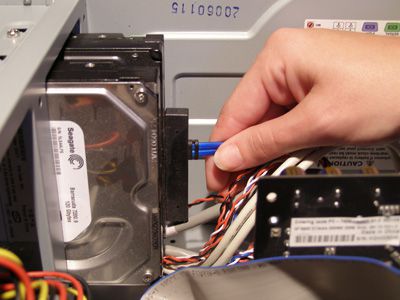
In simple terms, reseating means removing and reinstalling a component, such as a stick of RAM or a graphics card, from its socket. This can help ensure that the component is properly connected and seated in its slot, which can resolve issues caused by loose or faulty connections.

Reseating can be a simple process, depending on the component and your level of expertise. Here are the general steps for reseating a component:

1. Shut down your computer and unplug it from the power source.

2. Locate the component you want to reseat.

3. Carefully remove the component from the socket by pushing down on any retention clips and gently pulling it out.

4. Check the component and socket for any visible signs of damage or debris, such as bent pins or dust.

5. Reinsert the component into the socket, ensuring that it is properly aligned and securely seated.

6. Replace any retention clips or screws and plug your computer back in.

7. Power on your computer and check if the issue has been resolved.

While reseating components can fix a variety of issues, it’s important to note that it may not always be the solution. If you’re unsure about how to reseat a component or are still experiencing issues after doing so, it may be best to contact a professional for assistance.

In conclusion, reseating is a simple and effective method of troubleshooting computer problems caused by loose or faulty connections. By following the steps above, you can ensure that your hardware is properly installed and increase the likelihood of a successful fix.


Previous Article

Running Ethernet Cables Outdoors

Next Article

What Is a PSP File?

Matthew Lynch

Related articles More from author

  • Digital & Mobile Technology

    Cheapest Cloud Storage Providers

    June 8, 2023
    By Matthew Lynch
  • Digital & Mobile Technology

    Free PCB Design Software Packages: A Comprehensive Guide

    June 30, 2023
    By Matthew Lynch
  • Digital & Mobile Technology

    Best Podcast Managers for Your Windows PC

    June 21, 2023
    By Matthew Lynch
  • Digital & Mobile Technology

    What Is Work Overload and How Can You Avoid It?

    June 15, 2023
    By Matthew Lynch
  • Digital & Mobile Technology

    How to Set up Voicemail on iPhone 13

    June 6, 2023
    By Matthew Lynch
  • Digital & Mobile Technology

    Is an iPad Worth It? 5 Reasons Why You Should Buy One

    June 6, 2023
    By Matthew Lynch

Search

Login & Registration

  • Register
  • Log in
  • Entries feed
  • Comments feed
  • WordPress.org

Newsletter

Signup for The Tech Edvocate Newsletter and have the latest in EdTech news and opinion delivered to your email address!

About Us

Since technology is not going anywhere and does more good than harm, adapting is the best course of action. That is where The Tech Edvocate comes in. We plan to cover the PreK-12 and Higher Education EdTech sectors and provide our readers with the latest news and opinion on the subject. From time to time, I will invite other voices to weigh in on important issues in EdTech. We hope to provide a well-rounded, multi-faceted look at the past, present, the future of EdTech in the US and internationally.

We started this journey back in June 2016, and we plan to continue it for many more years to come. I hope that you will join us in this discussion of the past, present and future of EdTech and lend your own insight to the issues that are discussed.

Newsletter

Signup for The Tech Edvocate Newsletter and have the latest in EdTech news and opinion delivered to your email address!

Contact Us

The Tech Edvocate
910 Goddin Street
Richmond, VA 23231
(601) 630-5238
[email protected]

Copyright © 2025 Matthew Lynch. All rights reserved.