US Equity Futures Surge: US-Iran Peace Hopes & Bank Earnings
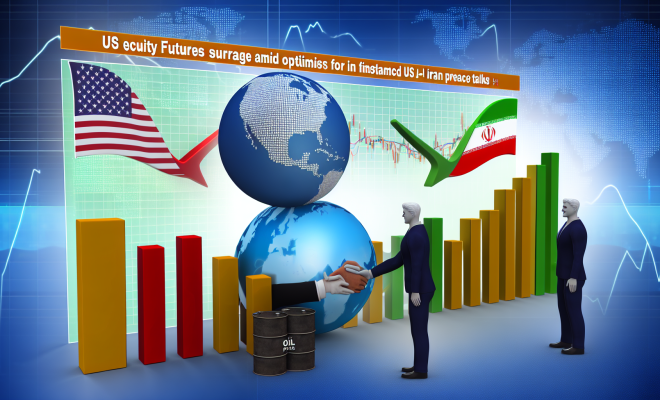
In a notable shift in market sentiment, US equity futures have shown a promising rise, while oil prices have taken a dip. This optimistic trend is largely attributed to discussions surrounding potential peace talks between the United States and Iran, which have fueled hopes of reducing the risk of prolonged conflict in the region.
Market Reactions to Geopolitical Developments
The prospect of renewed diplomatic efforts between the US and Iran has had a ripple effect on global markets. Investors are reacting positively, as the anticipated discussions suggest a possible easing of tensions that have historically contributed to market volatility. The prevailing sentiment is that a short conflict, should it arise, would not have the long-term implications previously feared.
Key Insights from Market Analysts
Katrina Dudley, a senior analyst at Franklin Templeton, indicated that market expectations are leaning towards a brief engagement rather than an extended military conflict. This perspective is crucial for investors who are constantly evaluating risks associated with geopolitical uncertainties. Dudley emphasized that the market’s current mood reflects a cautious yet optimistic outlook.
Bank Earnings Reports Fuel Investor Confidence
In addition to the geopolitical landscape, bank earnings reports are contributing to the positive sentiment in the equity markets. Major financial institutions, including JPMorgan Chase, Wells Fargo, and Citi, are set to release their earnings. These reports will provide insight into the health of the banking sector and its ability to adapt to changing economic conditions.
- JPMorgan Chase: As one of the largest banks in the US, its performance often sets the tone for the sector.
- Wells Fargo: Known for its retail banking services, its earnings will reveal consumer trends.
- Citi: With a global presence, its results will reflect international market dynamics.
United Airlines Explores Strategic Partnerships
Meanwhile, in the airline industry, United Airlines has been making headlines as CEO Scott Kirby reportedly pitched a strategic tie-up with rival American Airlines. This potential partnership could reshape the competitive landscape of the airline sector, especially in the wake of ongoing recovery efforts from the pandemic.
Kirby’s proposal highlights the need for airlines to adapt to post-pandemic realities, where collaboration may be key to survival in a challenging market. As travel demand stabilizes, such alliances could offer operational efficiencies and improved service offerings.
Adapting to Market Volatility
Amidst these developments, financial institutions are also focusing on their strategies to navigate the ongoing market volatility. According to Saul Martinez of HSBC, banks are increasingly adapting their operations to mitigate risks associated with fluctuating commodity prices and geopolitical tensions. This adaptability is vital for maintaining investor confidence and ensuring financial stability.
Oil Prices React to Global Sentiment
The reaction of oil prices to the current geopolitical climate has been significant. As optimism regarding US-Iran relations grows, oil prices have seen a decline. This drop reflects a broader expectation that any potential conflict may be short-lived, reducing fears of supply disruptions that typically drive prices higher.
Analysts are closely monitoring these developments, as changes in oil prices can have far-reaching implications for global economies. Lower oil prices may provide relief to consumers and businesses alike, potentially boosting economic activity in various sectors.
The Broader Economic Outlook
As the markets react to these intertwined themes of diplomacy, corporate earnings, and commodity prices, the broader economic outlook remains cautiously optimistic. Investors are encouraged to keep a close watch on the outcomes of the upcoming bank earnings and any news regarding the US-Iran peace talks.
The interplay between geopolitical events and market dynamics underscores the importance of remaining informed and adaptable in an ever-changing economic landscape. With various factors at play, including potential collaborations in the airline industry and shifting oil prices, the coming weeks will be crucial for investors looking to navigate these turbulent waters.
Conclusion
In summary, the rise in US equity futures and the decline in oil prices signal a shift in market sentiment driven by optimism surrounding US-Iran peace talks. Coupled with the impending bank earnings reports and strategic moves in the airline industry, these developments paint a complex yet hopeful picture of the current economic environment. Investors are encouraged to stay informed and prepared for potential changes as the situation evolves.