Urgent: Thousands of Toyota C-HR EVs Face Sudden Power Loss — Is Yours Affected?
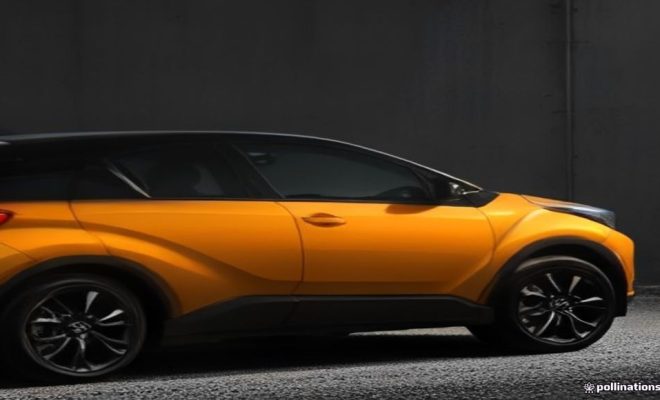
Imagine you’re cruising down the highway, perhaps on your way to work or picking up the kids, and suddenly, without warning, your electric vehicle loses power. Not a slow, gradual decline, but a complete shutdown of the drive system. For thousands of Toyota C-HR EV owners, this isn’t a hypothetical nightmare; it’s a very real concern. Toyota has issued a significant recall for 8,521 of its 2026 C-HR EV models due to a critical battery software flaw that could lead to an unexpected loss of drive power. This isn’t just a minor inconvenience; it’s a safety issue with potentially serious implications. The National Highway Traffic Safety Administration (NHTSA) has highlighted that under certain driving conditions, the battery could overcharge, triggering a system shutdown and leaving drivers stranded. This Toyota C-HR EV recall brings to the forefront the complex interplay between advanced automotive software and vehicle safety, especially as the industry shifts towards electrification.
The incident underscores a growing trend in the automotive world where software glitches, rather than mechanical failures, are increasingly becoming the root cause of recalls. While traditional recalls often involved tangible components like faulty airbags or braking systems, the modern vehicle is a rolling computer, and its integrity is highly dependent on the lines of code that govern its every function. For electric vehicles, the battery management system (BMS) is the brain of the powertrain, meticulously monitoring and regulating power flow. A flaw here isn’t just about efficiency; it’s about fundamental operational safety. The affected owners are expected to receive notifications by October 18th, with dealerships offering a free software upgrade to the Battery Electric Vehicle (BEV) ECU to rectify the problem. But what does this mean for the perception of EVs, and what lessons can be learned from this significant recall?
The Core Issue: A Software Glitch with Serious Consequences
At the heart of the Toyota C-HR EV recall is a software anomaly within the BEV ECU. The NHTSA’s investigation revealed that specific driving scenarios could cause the battery to overcharge. Now, when we talk about overcharging, it’s not simply a matter of the battery holding a bit too much juice. Modern EV batteries, particularly lithium-ion units, are designed with sophisticated safety protocols to prevent thermal runaway and degradation. An uncontrolled overcharge can be dangerous, potentially leading to overheating, reduced battery life, or, in extreme cases, even fire. To mitigate these risks, the BEV ECU is programmed to act as a guardian, and if it detects an overcharge condition that breaches predefined safety parameters, its immediate response is to initiate a protective shutdown of the electric drive system.
This protective measure, while intended to safeguard the battery and vehicle occupants from more severe damage, inadvertently creates a new, immediate hazard: the sudden loss of motive power. Imagine driving on a busy freeway at 70 mph, and your vehicle suddenly enters a limp-home mode or, worse, completely loses propulsion. You’re left to coast, potentially unable to maintain speed or even steer effectively if power steering is also compromised. This isn’t just an inconvenience; it’s a recipe for a multi-vehicle pile-up. For the 8,521 owners of the 2026 C-HR EV, the concern is palpable. The fix, fortunately, is straightforward: a software update. This highlights the double-edged sword of software-defined vehicles – they can be updated remotely or at dealerships with relative ease, but they are also susceptible to bugs that can have profound physical consequences.
Understanding the BEV ECU and Battery Management Systems
To fully grasp the significance of this Toyota C-HR EV recall, it’s crucial to understand the role of the BEV ECU and the broader Battery Management System (BMS). The BEV ECU, or Battery Electric Vehicle Electronic Control Unit, is essentially the central nervous system for the electric powertrain. It’s not just a single chip; it’s a complex network of processors, sensors, and actuators that constantly monitor and manage myriad parameters related to the battery, motor, and power electronics. Think of it as the maestro conducting an orchestra of electrical components.
The BMS, which often works in conjunction with or is integrated into the BEV ECU, is specifically tasked with overseeing the battery pack. It’s responsible for cell balancing, ensuring each individual cell within the pack charges and discharges uniformly. It monitors temperature, voltage, and current across hundreds, sometimes thousands, of individual cells. It calculates the state of charge (how much energy is left), the state of health (the battery’s overall condition and degradation), and predicts remaining range. Most importantly, it has sophisticated algorithms designed to prevent overcharging and over-discharging, both of which can severely damage the battery or pose safety risks. When the NHTSA refers to certain driving conditions causing the battery to overcharge, it implies a scenario where the software’s logic, under specific inputs or sequences, fails to properly regulate the incoming power, or perhaps misinterprets sensor data, leading it to believe an overcharge is occurring, even if it isn’t, thus triggering the protective shutdown. This isn’t a hardware defect in the battery itself, but rather a flaw in the digital brain that manages it.
The Broader Implications for EV Reliability and Perception
Every recall, especially one involving a prominent manufacturer like Toyota, carries weight, but a recall for unexpected power loss in an EV due to software hits differently. It taps into public anxieties about electric vehicles, particularly their perceived reliability and safety compared to conventional gasoline cars. For many prospective EV buyers, range anxiety is a primary concern. The idea of suddenly losing power on the road, unrelated to remaining charge, introduces a new layer of worry. This Toyota C-HR EV recall could inadvertently fuel skepticism, leading some to question the maturity of EV technology or the rigor of its development processes.
Toyota, a brand synonymous with reliability and quality, finds itself in a challenging position. While they are proactive in addressing the issue, the incident serves as a stark reminder that even the most established automakers are navigating uncharted waters with EVs. Software development cycles are different from traditional mechanical engineering, and identifying edge-case bugs can be incredibly complex. This event isn’t an isolated incident; other manufacturers have faced similar software-related issues. What’s crucial for the industry is how these issues are communicated and resolved. Transparency and swift action, as seen with Toyota’s recall, are paramount to maintaining consumer trust and ensuring the continued growth of the EV market.
The Importance of Regulatory Oversight: NHTSA’s Role
The National Highway Traffic Safety Administration (NHTSA) plays a critical role in ensuring vehicle safety in the United States, and their involvement in the Toyota C-HR EV recall highlights the importance of robust regulatory oversight. NHTSA is not just a reactive agency; they actively investigate potential safety defects, analyze consumer complaints, and mandate recalls when necessary. Their declaration that the battery could overcharge under certain driving conditions and trigger a system shutdown wasn’t a casual observation; it was the result of thorough technical analysis and investigation.
The agency’s prompt action, identifying the scope of the affected vehicles (8,521 units) and ensuring a clear timeline for owner notification (October 18th), provides a crucial layer of consumer protection. Without such regulatory bodies, automakers might have less incentive to proactively identify and address complex software flaws, especially those that might only manifest under specific, rare conditions. NHTSA’s continued vigilance is especially vital in the rapidly evolving landscape of electric and autonomous vehicles, where new technologies introduce unprecedented challenges and potential failure modes that require equally unprecedented scrutiny. Their role is to be the ultimate safety net, ensuring that even when complex systems fail, the public is informed and protected. (See: National Highway Traffic Safety Administration.)
The Software-Defined Vehicle: A Double-Edged Sword
The modern vehicle is, without a doubt, a software-defined machine. From infotainment systems and advanced driver-assistance features to powertrain management and climate control, lines of code orchestrate nearly every function. This paradigm shift offers incredible benefits: vehicles can be updated over-the-air (OTA) with new features, performance can be optimized, and safety enhancements can be deployed without a trip to the dealership. However, as the Toyota C-HR EV recall vividly demonstrates, this also introduces new vulnerabilities.
Software bugs, unlike a visibly cracked engine block or a frayed wire, are often invisible until they manifest in unexpected ways. They can be incredibly difficult to diagnose, especially when they depend on a complex combination of environmental factors, driver inputs, and internal system states. The very flexibility that makes software so powerful also makes it challenging to perfect. Automakers are essentially becoming software companies, and with that comes the responsibility of rigorous testing, validation, and cybersecurity. The industry is still learning how to manage this new reality, balancing innovation with the absolute necessity of safety. This incident serves as a powerful case study for the entire automotive sector, reinforcing the need for even more stringent software development and testing protocols.
The Recall Process: What Owners Can Expect
For the 8,521 owners of the 2026 Toyota C-HR EV, understanding the recall process is key. The NHTSA has stated that affected owners can expect to receive official notification by October 18th. This notification will typically arrive via mail and will clearly outline the specific defect, the potential risks, and the steps required to get the vehicle repaired. It’s crucial for owners to not ignore these notices, as addressing the recall is vital for their safety and the long-term reliability of their vehicle.
Once notified, owners will need to contact their local authorized Toyota dealership to schedule an appointment. The good news is that the fix for this particular Toyota C-HR EV recall is a software upgrade to the BEV ECU, which means no physical parts need to be replaced. This usually translates to a quicker service visit compared to recalls requiring extensive mechanical work. Dealers will perform the software update free of charge, as is standard practice for safety recalls. It’s always a good idea to confirm the process with your dealership when scheduling, and perhaps inquire about the estimated time for the update. Keeping proof of the completed recall service is also a smart move for your vehicle’s service history.
Preventative Measures and What to Do If It Happens
While waiting for the recall notification and subsequent software update, owners of the affected 2026 Toyota C-HR EV models might understandably feel a heightened sense of concern. It’s important to remember that recalls are issued to *prevent* incidents, meaning the flaw has been identified before widespread failures. However, if you own one of these vehicles, it’s wise to be extra vigilant.
First and foremost, pay attention to any unusual warning lights or messages on your dashboard, particularly those related to the powertrain or battery system. If you experience any sudden loss of power while driving, the immediate priority is safety. Try to safely pull over to the side of the road, engage your hazard lights, and contact roadside assistance. Avoid panicking; modern vehicles are designed with redundancies, and while a loss of drive power is serious, the vehicle’s other systems (like steering and braking, albeit possibly without power assist) should still function to some degree to allow for a safe stop. Once you’ve pulled over, contact Toyota customer service or your dealership for guidance. Do not attempt to continue driving a vehicle that has experienced an unexpected power loss. Proactive engagement with the recall process is the best preventative measure you can take.
The Future of EV Safety and Software Integrity
The Toyota C-HR EV recall serves as a powerful reminder that as vehicles become increasingly complex and software-dependent, the focus on software integrity must be as rigorous, if not more so, than the focus on mechanical integrity. The automotive industry is rapidly evolving, with electric vehicles, autonomous driving features, and connected car technologies pushing the boundaries of engineering. This means that quality control and safety protocols must evolve in tandem.
Going forward, we can expect to see an even greater emphasis on software testing, validation, and cybersecurity within automotive development. This includes more sophisticated simulation environments, extensive real-world testing, and potentially even AI-driven bug detection. Over-the-air (OTA) updates will become an even more crucial tool, allowing manufacturers to deploy fixes swiftly and efficiently without requiring every vehicle to visit a dealership. However, the ultimate responsibility lies with the manufacturers to ensure that the software controlling our vehicles is as robust and reliable as the steel and glass that encase us. This recall isn’t just a bump in the road for Toyota; it’s a valuable, albeit concerning, lesson for the entire industry on the critical importance of software excellence in the age of electrification.
The journey towards a fully electric future is undoubtedly exciting and full of promise, but it’s not without its challenges. Incidents like the Toyota C-HR EV recall highlight the ongoing need for vigilance, innovation, and a commitment to safety from both automakers and regulatory bodies. As consumers, we rely on these systems to be flawless, and the industry must continually strive to meet that expectation.
Comparing EV Recalls: A Broader Industry Perspective
It’s easy to view the Toyota C-HR EV recall as an isolated incident, but it’s more accurate to see it as part of a larger trend affecting the entire electric vehicle market. Nearly every major EV manufacturer has faced software-related recalls in recent years. For example, Tesla has issued multiple recalls for issues ranging from autopilot software glitches to display screen failures that impact critical safety information. General Motors has recalled Bolt EVs for battery fire risks, which, while a hardware issue, often involves software’s role in monitoring battery health and preventing thermal events. Even Ford’s Mustang Mach-E has seen recalls for battery contactor issues, which can also lead to power loss. (See: Centers for Disease Control and Prevention.)
This isn’t to say that EVs are inherently less safe than gasoline cars. In fact, many studies suggest the opposite, particularly regarding fire risk. What it does highlight is the shift in the *nature* of potential failures. With complex software governing intricate electrical systems, the points of failure are often abstract and interconnected. Traditional mechanical failures might manifest as a strange noise or a visible leak. Software glitches can be silent until they cause a catastrophic event. This industry-wide pattern means that all EV buyers need to stay informed about recalls and understand that software updates are as critical to vehicle maintenance as oil changes were for internal combustion engines.
The Role of Over-the-Air (OTA) Updates in Mitigating Risks
While the Toyota C-HR EV recall requires a dealership visit for the software update, many modern EVs are equipped with Over-the-Air (OTA) update capabilities. This technology allows manufacturers to wirelessly push software updates to vehicles, much like how your smartphone receives updates. OTA updates offer a significant advantage in addressing software-related recalls swiftly and efficiently. Instead of waiting for owners to schedule appointments and visit service centers, a critical fix can be deployed to thousands, or even millions, of vehicles simultaneously overnight.
For a safety-critical issue like the one in the C-HR EV, OTA could theoretically reduce the time from recall announcement to full resolution, potentially preventing more incidents. However, not all updates can be done OTA, especially those affecting core safety systems or requiring complex validation. Toyota, like many legacy automakers, is still building out its OTA infrastructure for deeper vehicle systems. As this technology becomes more pervasive and robust across the industry, we can expect a quicker response to software-related issues, making EVs not just more convenient, but potentially safer in the long run by allowing for immediate corrections to identified flaws.
Expert Perspectives on EV Software Development Challenges
Automotive industry experts often point to the immense challenge of developing and validating software for modern vehicles. It’s a different beast compared to consumer electronics. A bug in a smartphone app might cause frustration; a bug in a car’s powertrain control unit can be fatal. Software engineers in the automotive sector face stringent safety standards (like ISO 26262 for functional safety), incredibly long development cycles, and the need for absolute reliability across a vast array of operating conditions, from arctic cold to desert heat.
One expert, a lead software architect at a major automotive supplier (who wished to remain anonymous due to company policy), explained, “The sheer number of permutations and combinations of sensor inputs, driver actions, and environmental variables makes it almost impossible to test for every single edge case in a lab. Real-world driving data and sophisticated simulation are crucial, but some issues only surface after thousands of vehicles are on the road. The industry is constantly learning how to integrate software best practices from tech companies with the deep safety culture of automotive engineering.” This perspective highlights that despite rigorous testing, some flaws, like the one in the Toyota C-HR EV, can slip through, emphasizing the ongoing need for post-launch vigilance and rapid response.
Frequently Asked Questions (FAQ) about the Toyota C-HR EV Recall
Which specific models are affected by this recall?
This recall specifically affects 8,521 units of the 2026 Toyota C-HR EV. It’s important to note that this is the electric version of the C-HR, not the gasoline or hybrid variants.
What is the exact nature of the defect?
The recall is due to a software flaw in the Battery Electric Vehicle (BEV) Electronic Control Unit (ECU). Under certain driving conditions, this software can cause the battery to overcharge, which then triggers a protective shutdown of the electric drive system, leading to an unexpected loss of motive power.
Is this a battery hardware issue or a software issue?
This is a software issue, not a defect in the battery hardware itself. The battery management system’s software is misinterpreting or mismanaging certain conditions, leading to the protective shutdown.
What are the potential risks if I don’t get the recall fixed?
The primary risk is a sudden and unexpected loss of drive power while operating the vehicle. This can significantly increase the risk of a crash, especially on busy roads or at high speeds, as you may lose the ability to maintain speed or maneuver effectively. (See: The New York Times.)
How will I be notified about the recall?
Toyota will send official recall notifications to affected owners via mail. The NHTSA has stated that these notifications are expected to be sent by October 18th.
What is the fix for this recall, and how much will it cost?
The fix is a software upgrade to the BEV ECU. This repair will be performed free of charge at any authorized Toyota dealership, as is standard practice for safety recalls.
How long will the repair take at the dealership?
Since it’s a software update, the repair is typically quicker than mechanical fixes. While exact times can vary, it’s generally a matter of hours, not days. It’s best to confirm the estimated service time when you schedule your appointment with the dealership.
Can I continue to drive my C-HR EV before the recall is performed?
While the recall is issued to prevent incidents, and the flaw may only manifest under specific conditions, continuing to drive an affected vehicle carries an increased risk of sudden power loss. It’s highly recommended to get the recall addressed as soon as you receive notification and can schedule an appointment. If you experience any symptoms of power loss, pull over safely and do not continue driving.
What should I do if my C-HR EV loses power while I’m driving?
If you experience a sudden loss of drive power, remain calm. Safely pull your vehicle over to the side of the road as quickly as possible, engage your hazard lights, and contact roadside assistance. Do not attempt to restart or continue driving the vehicle until it has been inspected.
Where can I check if my specific vehicle is part of this recall?
You can check for recalls by visiting the NHTSA recall website (www.nhtsa.gov/recalls) and entering your Vehicle Identification Number (VIN). You can also contact your local Toyota dealership directly with your VIN.
Does this recall affect other Toyota EV models?
As of now, this specific recall is limited to the 8,521 units of the 2026 Toyota C-HR EV. Recalls are typically very specific to certain models, model years, and manufacturing batches.
Trending Now
Frequently Asked Questions
What caused the Toyota C-HR EV power loss?
The power loss in the Toyota C-HR EVs is attributed to a critical battery software flaw. This issue can cause the battery to overcharge, leading to a complete shutdown of the drive system, posing safety risks for drivers.
How many Toyota C-HR EVs are affected by the recall?
Toyota has issued a recall for 8,521 of its 2026 C-HR EV models due to the battery software flaw that could lead to sudden power loss while driving.
What should I do if my Toyota C-HR EV is affected?
If your Toyota C-HR EV is affected by the recall, you will receive a notification by October 18th. You should contact your dealership to schedule a free software upgrade to the Battery Electric Vehicle ECU to fix the issue.
What are the safety implications of the Toyota C-HR EV recall?
The safety implications are significant, as the software flaw can lead to unexpected loss of drive power, potentially leaving drivers stranded in dangerous situations. The recall highlights the importance of software reliability in modern electric vehicles.
How does software impact electric vehicle safety?
In electric vehicles like the Toyota C-HR, software plays a critical role in managing the battery and drive systems. A glitch in the battery management system can have serious safety consequences, underscoring the need for reliable automotive software.
Agree or disagree? Drop a comment and tell us what you think.