Dr. Best on Child & Teen Emotional Distress: Virtual Event 2026
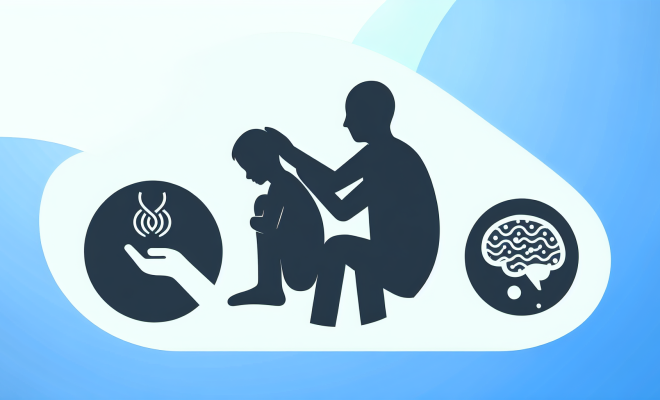
As the world continues to evolve, so do the challenges faced by our children and teenagers. Emotional suffering is becoming an increasingly pressing issue, prompting parents to seek guidance on how best to support their kids. On March 30, 2026, at 6:00 PM, a virtual event hosted via ZOOM will feature Dr. Best, a renowned expert in child psychology, who will delve into the crucial topic of emotional distress in young people.
The Importance of Recognizing Emotional Distress
Dr. Best’s presentation aims to equip parents with the knowledge necessary to identify signs of emotional suffering in their children and adolescents. As mental health issues among young people rise, understanding these indicators can be pivotal in ensuring timely intervention and support.
Common Signs of Emotional Distress
Emotional distress can manifest in various ways, and being aware of these signs is the first step toward fostering a supportive environment. Some common indicators parents should watch for include:
- Changes in Behavior: This could include withdrawal from social activities, a sudden drop in academic performance, or changes in eating and sleeping habits.
- Excessive Mood Swings: Frequent outbursts of anger or sadness can indicate deeper emotional issues.
- Physical Symptoms: Complaints of headaches, stomachaches, or other physical ailments without a clear medical cause may reflect emotional distress.
- Loss of Interest: A noticeable disinterest in hobbies or activities that once brought joy can be a significant red flag.
- Self-Harm or Talk of Suicide: Any mention of self-harm or suicide should be taken very seriously, and immediate professional help should be sought.
Why Early Intervention Matters
Understanding the signs of emotional suffering is essential, but knowing when to act is equally critical. Dr. Best emphasizes that early intervention can significantly alter the trajectory of a child’s mental health journey. Delaying action can lead to worsening symptoms and more profound issues, making it imperative for parents to respond promptly.
When to Seek Professional Help
Parents often struggle with the decision of when to seek professional help for their child. Dr. Best will outline specific criteria during the event, but some general guidelines include:
- If symptoms persist for more than a few weeks.
- If emotional distress interferes with daily life, such as school, friendships, or family relationships.
- If you notice a significant decline in your child’s overall well-being.
- If your child expresses feelings of hopelessness or worthlessness.
Creating a Supportive Environment
Aside from recognizing signs and knowing when to act, parents play a crucial role in creating an environment that fosters emotional well-being. Dr. Best will provide practical strategies for parents to support their children effectively:
- Open Communication: Encourage your child to express their feelings without fear of judgment. Regularly check in on their emotional state.
- Model Healthy Coping Mechanisms: Demonstrate effective ways to handle stress and emotion, such as mindfulness, breathing exercises, or physical activities.
- Establish Routines: Consistent daily routines can provide a sense of security and predictability for children and teenagers.
- Encourage Social Connections: Help your child maintain friendships and engage in social activities, which are vital for emotional health.
Community Engagement and Resources
The event featuring Dr. Best is part of a broader initiative to enhance community awareness surrounding mental health issues in children and adolescents. By participating, parents will not only gain valuable insights but also connect with other families facing similar challenges.
Moreover, the discussion will highlight local resources available for families, including counseling services, support groups, and educational materials, ensuring that parents leave equipped with both knowledge and actionable steps.
Conclusion
As parents, navigating the emotional landscape of our children and teens can be daunting, especially in today’s fast-paced world. Dr. Best’s upcoming event promises to shed light on these vital topics, empowering parents to recognize emotional suffering and take appropriate action. By fostering open communication, creating supportive environments, and knowing when to seek help, parents can play a pivotal role in safeguarding their children’s mental health.
Join the conversation on March 30, 2026, via ZOOM, and take proactive steps toward understanding and supporting the emotional well-being of the children in your life.