Trump Launches Naval Blockade in Hormuz Amid Tensions with Iran
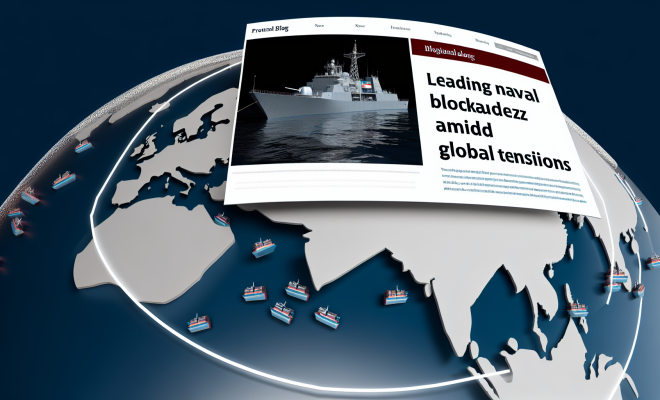
In a bold move aimed at intensifying pressure on Iran, President Donald Trump has initiated a naval blockade of the Strait of Hormuz. This strategic waterway, which is crucial for global oil shipments, has become the focal point of escalating tensions between the United States and Iran. The blockade follows the expiration of a deadline set by the U.S. administration, coinciding with a global energy crisis that has heightened concerns over supply disruptions.
The Context of the Blockade
The Strait of Hormuz is a vital corridor through which approximately 20% of the world’s oil passes. With a backdrop of rising global energy prices and increasing demand, the U.S. blockade seeks to restrict Iranian access to maritime routes, thereby limiting its ability to export oil. This action underscores the Trump administration’s ongoing strategy to isolate Iran economically and politically.
Diplomatic Efforts Amid Tensions
Despite the escalation of military maneuvers, there are signs of a potential thaw in U.S.-Iran relations. Negotiations for a new round of face-to-face talks are reportedly underway, with both nations seeking to establish a longer-term ceasefire before the expiration of a two-week truce that began on April 7. These discussions are critical as they could pave the way for a more stable regional environment, although the recent blockade complicates the diplomatic landscape.
Implications of the Blockade
The blockade is expected to have far-reaching implications not only for U.S.-Iran relations but also for the broader geopolitical dynamics in the Middle East. Analysts warn that the blockade could lead to heightened military confrontations, particularly given Iran’s history of responding aggressively to perceived threats in the region.
- Regional Hostilities: The blockade risks inflaming existing tensions among Gulf states and could provoke retaliatory actions from Iran, which has threatened to respond to any disruption of its maritime activities.
- Global Energy Markets: As countries grapple with rising energy prices, the blockade could exacerbate supply chain issues, leading to further volatility in global markets.
- International Relations: The U.S. action may strain relationships with allies who depend on stability in the region and may view the blockade as an escalation rather than a solution.
Potential for Conflict
Military analysts are closely monitoring the situation, as the U.S. Navy has increased its presence in the region. The risk of skirmishes or miscalculations is high, especially given the complex web of alliances and enmities that characterize Middle Eastern geopolitics. Any military engagement could quickly spiral out of control, with consequences felt worldwide.
The Role of International Community
The international community is watching the developments with concern, as the blockade represents a significant escalation in U.S.-Iran tensions. Major global powers, including China and Russia, have criticized U.S. actions as provocative and called for diplomatic solutions to the crisis.
Moreover, Europe, which has its own interests in maintaining energy security and political stability in the region, may find itself caught in the middle of this confrontation. The European Union has previously advocated for dialogue and diplomatic engagement rather than military action, and it remains to be seen how it will respond to the U.S. blockade.
Looking Ahead
As the situation unfolds, the potential for a diplomatic resolution remains tenuous. The upcoming talks between the U.S. and Iran could either ease tensions or lead to further hostilities, depending on the outcomes of negotiations. With the clock ticking on the truce established earlier this month, both sides are under pressure to reach a consensus.
In conclusion, President Trump’s decision to initiate a naval blockade in the Strait of Hormuz marks a significant escalation in the ongoing conflict with Iran. While the blockade aims to exert pressure on Tehran, it also raises the stakes for regional stability and security. The interplay between military actions and diplomatic negotiations will be crucial in determining the future trajectory of U.S.-Iran relations and the overall peace in the Middle East.