Travel Resilience: How Rising Jet Fuel Prices are Failing to Deter Travelers
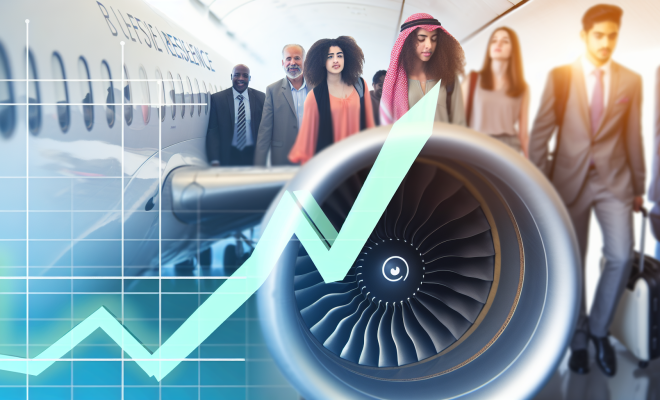
Despite the tumultuous backdrop of rising jet fuel prices and airfare hikes, travelers in the United States continue to fill the skies, signaling a robust demand for air travel. The ongoing conflict in the Middle East has significantly impacted global oil prices, leading to increased operational costs for airlines. However, major U.S. carriers are reporting solid quarterly profits, suggesting that the desire to travel remains unscathed by these financial pressures.
The Impact of Geopolitical Tensions
The war in the Middle East has been a catalyst for fluctuating energy prices, directly affecting jet fuel costs. According to industry analysts, the current prices for jet fuel have surged by over 30% since the beginning of 2023. As airlines grapple with these rising expenses, they have also adjusted their fare structures, prompting a noticeable increase in ticket prices. However, this surge in operational costs has not deterred consumers from booking flights.
Strong Demand for Air Travel
Airlines have reported a consistent uptick in bookings, with many passengers eager to travel for leisure, business, and personal reasons. Despite soaring prices, demand for air travel remains exceptionally strong. Major carriers such as Delta Air Lines, American Airlines, and United Airlines have noted that their flights are still operating at near-full capacity.
This resilience in the face of rising costs can be attributed to several factors:
- Post-Pandemic Travel Recovery: Many travelers are eager to make up for lost time during the pandemic, leading to a surge in travel demand.
- Increased Flexibility: Airlines have adjusted their policies, allowing for more flexibility in bookings and cancellations, making it easier for travelers to commit.
- Business Travel Rebound: Companies are increasingly sending employees back on the road, contributing to the demand for flights.
Airlines’ Optimism Amid Challenges
Despite the challenges posed by rising fuel costs, airlines maintain an optimistic outlook. They are focusing on operational efficiencies and strategic pricing to mitigate the impact of these escalating expenses. The ability to maintain profitability amidst rising costs can be attributed to several strategies:
- Dynamic Pricing Models: Airlines are employing advanced pricing algorithms that adjust fares based on demand, maximizing revenue even when costs rise.
- Streamlined Operations: Many carriers are optimizing their routes and reducing turnaround times to save costs.
- Fuel Hedging: Some airlines engage in fuel hedging, locking in fuel prices at lower rates to protect themselves from future price hikes.
Consumer Sentiment Towards Travel
As travelers face higher ticket prices, many are adjusting their spending habits rather than abandoning travel altogether. A recent survey indicated that while 60% of travelers are aware of rising airfare, nearly 70% expressed a desire to travel as much as they did pre-pandemic. This sentiment suggests that the love for travel and exploration often outweighs the financial burdens associated with it.
Additionally, travelers are increasingly prioritizing experiences over expenses, leading them to seek out destinations that offer unique adventures, cultural experiences, and relaxation, regardless of higher airfare costs.
The Future of Air Travel
Looking ahead, industry experts predict that the travel landscape will continue to evolve in response to fluctuating fuel prices and geopolitical events. Airlines are likely to adapt by:
- Investing in Sustainability: Many airlines are exploring sustainable aviation fuels and more efficient aircraft to reduce their carbon footprint and operational costs.
- Enhancing Customer Experience: To retain and attract customers, airlines are expected to focus on enhancing the travel experience through better service, in-flight amenities, and loyalty programs.
- Expanding International Routes: As demand for global travel grows, airlines may expand their international offerings, tapping into emerging markets.
Final Thoughts
While rising jet fuel prices and airfares present challenges, the unwavering demand for travel underscores a resilient consumer base ready to explore the world. Airlines are navigating these turbulent waters with strategic planning and optimism, ensuring they remain profitable while catering to the needs and desires of modern travelers.
As we move forward, it will be crucial for both airlines and travelers to stay informed about market trends and pricing strategies, ensuring that air travel remains accessible and enjoyable for all.