Senior Care’s Future: Mental Health & Innovation (2026)
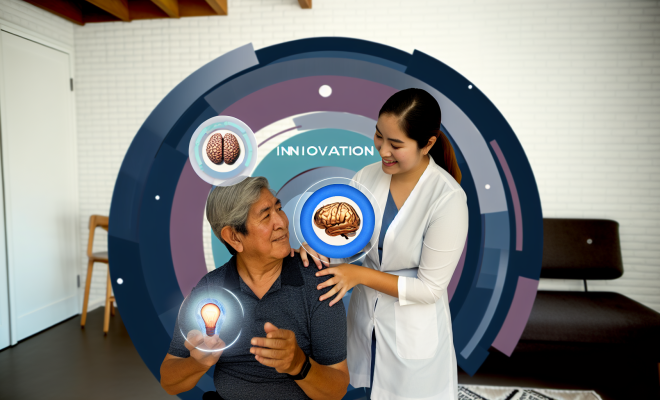
The landscape of senior care is evolving rapidly, with an increasing focus on mental health as a critical component of overall wellness. As we look toward the future, it is essential to recognize the importance of addressing not just the physical needs of older adults, but also their emotional and psychological well-being. This shift is driven by a growing body of evidence that highlights the connection between mental health and quality of life in seniors.
The Mental Health Imperative
Published on April 9, 2026, recent observations indicate that mental health is becoming a top priority in senior care. Factors such as loneliness, isolation, and depression are prevalent among older adults, particularly those living in assisted living or nursing facilities. Data from the World Health Organization (WHO) underscores that mental wellness is integral to physical health, cognitive function, and overall life satisfaction.
Studies have shown that residents who engage in social activities demonstrate improved moods and a significant reduction in depressive symptoms. This evidence suggests that fostering social connections and promoting mental health initiatives can have profound effects on the elderly population. As such, senior care facilities are increasingly implementing programs that prioritize mental wellness.
Emerging Trends in Senior Care
The future of senior care encompasses several innovative trends, each designed to enhance the quality of life for older adults while addressing their unique needs.
1. Emphasis on Mental Health Programs
- Therapeutic Activities: Facilities are incorporating art therapy, music therapy, and group activities aimed at enhancing emotional well-being.
- Professional Support: Access to mental health professionals, including therapists and counselors, is becoming more common in senior care environments.
- Peer Support Groups: Establishing peer-led support groups can foster connection and provide a space for sharing experiences and coping strategies.
2. Technology Integration
Advancements in technology are reshaping how care is delivered to seniors. Innovative tools are being developed to monitor health and wellness, thereby enhancing preventive care. Examples include:
- Wearable Devices: Wearables can track vital signs and alert caregivers to potential health issues before they escalate.
- Telehealth Services: Virtual consultations allow seniors to access healthcare professionals from the comfort of their homes, reducing barriers to care.
- Smart Home Technology: Devices that support daily living can help seniors maintain independence while ensuring safety.
3. Personalized Care Approaches
Recognizing that each individual has unique needs, the future of senior care is trending toward personalized care plans that take into account the preferences and history of each resident. This includes:
- Tailored Wellness Programs: Programs are designed to align with the interests and hobbies of seniors, promoting engagement and satisfaction.
- Individualized Nutrition Plans: Diet plays a crucial role in mental and physical health; personalized meal plans can cater to specific dietary needs and preferences.
- Adapted Living Spaces: Facilities are being redesigned to create home-like environments that promote comfort and familiarity.
4. Preventive Interventions
Preventive care is becoming a core focus in managing the health of older adults. This proactive approach aims to address potential health issues before they arise, emphasizing:
- Regular Health Screenings: Routine check-ups can identify mental health concerns early, allowing for timely intervention.
- Education and Awareness: Educating seniors about mental health can empower them to seek help and engage in self-care practices.
- Community Engagement: Encouraging seniors to participate in community events can reduce feelings of isolation and enhance their social networks.
Conclusion
The future of senior care is not just about providing services; it is about creating a holistic approach that prioritizes mental health alongside physical wellness. By addressing loneliness, enhancing social connections, and integrating technology, care providers can significantly improve the quality of life for older adults. As we continue to learn more about the needs of this population, it is crucial that mental health remains at the forefront of senior care initiatives, ensuring that seniors can lead fulfilling, vibrant lives.