500+ Rohingya Refugees Missing After 2026 Boat Capsizing
“`html
The Heartbreaking Incident
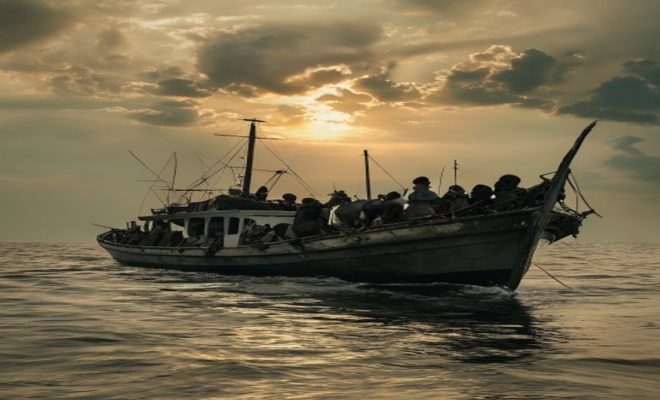
On July 21, 2026, the world was rocked by devastating news as the United Nations’ refugee agency issued a grave warning regarding the fate of over 500 Rohingya refugees. These individuals are feared dead following the capsizing of two boats off the coast of Burma. This chilling maritime disaster highlights the ongoing plight of the Rohingya people, one of the world’s most vulnerable populations, and underscores the urgency of addressing their desperate circumstances.
The boats were reportedly making their perilous journey across the Bay of Bengal when they encountered treacherous conditions. The scale of this tragedy, with so many lives at stake, evokes a deep emotional response. The Rohingya, many of whom have fled violence and persecution in Myanmar, were seeking safety and a chance at a better life. Instead, they met with a catastrophe that has left families shattered and communities mourning.
The Context of the Rohingya Crisis
The Rohingya crisis has persisted for years, characterized by systemic discrimination, violence, and mass displacement. Over 1 million Rohingya refugees currently reside in Bangladesh, where conditions in refugee camps are often dire, with limited access to food, healthcare, and education. Many attempt dangerous sea voyages in hopes of reaching countries like Malaysia and Indonesia, seeking asylum and a fresh start.
This latest maritime disaster emphasizes the dire conditions that prompt such risky decisions. The UN’s warning not only paints a stark picture of the immediate crisis but also calls attention to the broader issues of refugee rights and international humanitarian law. As the world grapples with these humanitarian challenges, one cannot help but wonder: what solutions are being actively pursued to prevent such tragedies from happening again?
Immediate Aftermath and Rescue Efforts
Reports indicate that rescue operations were launched soon after the boats capsized, with local fishermen and emergency services working tirelessly to locate survivors. Initial reports confirmed that some individuals had been rescued, but the scale of the tragedy left many fearing that the death toll could rise dramatically. News outlets and social media quickly circulated updates, as people sought to understand the unfolding situation and the status of families impacted by this disaster.
The collective effort to aid the survivors and recover the missing is a somber reminder of the fragility of human life in crisis. Rescue operations often become complicated due to geopolitical tensions and logistical challenges, but the humanitarian impulse remains strong within communities and organizations willing to lend a hand.
International Reactions and Responses
The global reaction to the Rohingya tragedy has been one of shock and outrage. Activists and humanitarian organizations have called upon governments and international bodies to take immediate action, not just in response to this crisis, but to address the underlying issues that lead to such desperate attempts at migration.
World leaders are under pressure to respond with policies that not only provide immediate relief but also offer long-term solutions for the Rohingya people. The UN’s refugee agency has reiterated its call for increased support for refugee assistance programs, emphasizing that the international community must do more to protect those at risk and ensure that such tragedies are not repeated.
Broader Implications for Maritime Refugees
This incident is not an isolated occurrence; it reflects a disturbing trend in the increasing dangers faced by refugees at sea. Over the past few years, reports of capsized boats and fatalities among refugees attempting to cross dangerous waters have surged, raising urgent questions regarding maritime safety and the responsibilities of nations.
Many people are unaware of the extent to which global policies can influence the safety of refugees at sea. As nations grapple with how to handle large influxes of displaced individuals, the choice between humanitarian assistance and border control becomes a contentious issue. The Rohingya crisis exemplifies the dire consequences of neglecting these discussions, as vulnerable populations are left to navigate perilous situations alone.
Social Media’s Role in Spreading Awareness
In today’s digital age, social media platforms play a significant role in raising awareness about humanitarian crises. Following the news of the capsized boats, hashtags related to the Rohingya crisis began trending, drawing attention from around the world. Influencers, activists, and everyday users shared information and calls to action, amplifying the voices of those demanding justice and assistance for the Rohingya. (See: BBC report on Rohingya refugees.)
Social media has the power to transform public discourse and mobilize action, but it also faces challenges. Misinformation can spread just as quickly as credible news, making it essential for users to critically evaluate the information they encounter. Nevertheless, the collective outrage and compassion expressed online can lead to tangible change, influencing policy discussions and inspiring grassroots movements.
Potential Pathways Forward
The tragedy of July 21, 2026, must serve as a catalyst for change in how the international community addresses the plight of the Rohingya and all refugees. Policymakers must examine the structural issues contributing to forced migration, such as discrimination, violence, and lack of opportunities in countries of origin.
Working alongside NGOs, governments can develop comprehensive strategies that include safe and legal pathways for migration, enhanced protection for refugees, and robust support systems in host countries. Additionally, addressing climate change and political instability in the region will be vital to preventing similar crises in the future.
The Role of International Law
International law plays a critical role in the protection of refugees, yet its implementation often falls short. Treaties such as the 1951 Refugee Convention outline the rights of refugees and the obligations of states to protect them. However, enforcement remains inconsistent, and many states continue to prioritize national interests over humanitarian responsibilities.
In light of the Rohingya tragedy, the call for stronger international legal frameworks to protect the rights of refugees is more pressing than ever. Advocacy groups are urging nations to reaffirm their commitment to international law and to hold accountable those who violate the rights of vulnerable populations. Ensuring that refugees are treated with dignity and respect must become a priority for all nations.
Lessons Learned from Past Crises
Reflecting on past maritime crisis incidents can provide valuable insights into preventing future disasters. For instance, the Mediterranean migrant crisis saw thousands of lives lost at sea, leading to increased calls for policy reform and humanitarian intervention. Lessons from these tragedies should inform current responses to the Rohingya situation and similar humanitarian crises.
Learning from previous experiences involves a commitment to better data collection, improved coordination among stakeholders, and a focus on long-term solutions that address the root causes of forced migration. As the world confronts the realities of displacement, proactive measures must be prioritized to protect vulnerable populations and prevent further loss of life.
The Role of Grassroots Movements
Grassroots movements have emerged as a powerful force in advocating for the rights of refugees, including the Rohingya. Community-led initiatives often fill gaps left by government action, providing vital support and resources to those in need. These movements are crucial in raising awareness, mobilizing resources, and holding authorities accountable for their actions.
Organizations focused on refugee rights play a pivotal role in amplifying the voices of those affected by crises, advocating for policy changes, and creating networks of support. Encouraging collaboration among grassroots organizations, international NGOs, and local communities can enhance the effectiveness of humanitarian efforts and ensure that the needs of refugees are met.
The Role of Technology in Humanitarian Aid
In recent years, technology has become an invaluable ally in the fight for refugee rights. From the use of mobile apps that connect refugees with essential resources to blockchain technology ensuring secure and transparent aid distribution, innovations are reshaping how humanitarian efforts are conducted. In the wake of the Rohingya tragedy, leveraging technology can be crucial in streamlining rescue operations and improving communication among parties involved in humanitarian assistance.
For example, digital platforms can facilitate real-time updates on refugee situations, thereby helping NGOs and governments respond swiftly to crises. Enhanced data analytics can also predict migration patterns and identify at-risk populations, allowing for proactive measures to be taken before a disaster occurs. These technological tools can foster collaboration and efficiency, greatly improving the overall effectiveness of humanitarian responses.
Statistics on Refugee Journeys
To better understand the scale of the refugee crisis, it’s essential to look at some alarming statistics. According to the UNHCR, in 2021 alone, approximately 89 million people were forcibly displaced worldwide due to conflict, persecution, or violence. Since the onset of the Rohingya crisis in 2017, the number of Rohingya refugees has skyrocketed, with an estimated 1.2 million currently living in precarious conditions.
The risk associated with sea migration remains significant. Data shows that from 2014 to 2021, more than 40,000 people were reported dead or missing while attempting to cross the Mediterranean Sea. In the Bay of Bengal, the situation is similarly dire, with numerous fatalities reported each year as desperate refugees try to escape their circumstances. These sobering statistics underline the need for urgent action and comprehensive solutions to address the humanitarian crisis.
Expert Perspectives on Refugee Policies
Experts in international relations and humanitarian law have stressed the importance of rethinking current policies surrounding refugees. Dr. Sarah Johnson, a leading researcher on migration patterns, argues that “countries must move beyond reactive measures and invest in preventative strategies that address the root causes of displacement. We need to tackle issues like systemic poverty, political instability, and climate change on a global scale.”
Another expert, Professor Michael Chen, emphasizes the need for collaboration between countries: “No single nation can effectively address the refugee crisis alone. International cooperation and shared responsibility are essential. This means not only accepting refugees but also investing in their integration and support once they arrive.” These insights highlight the necessity of broadening the dialogue around refugee policies to include diverse perspectives and innovative solutions.
Challenges in Refugee Integration
Integrating refugees into host countries poses significant challenges, often leading to social tensions and economic strain. Many countries struggle with providing adequate resources and support for incoming refugees, resulting in overcrowded living conditions and limited access to services. Additionally, xenophobia and discrimination can hinder successful integration efforts, making it difficult for refugees to rebuild their lives.
Addressing these challenges requires a multifaceted approach, including educational programs to promote understanding and acceptance, job training initiatives to empower refugees economically, and community-building activities that foster connections between refugees and host populations. By cultivating an environment of inclusivity and support, countries can create a more positive experience for both refugees and their communities.
FAQ: Understanding the Rohingya Crisis and Refugee Rights
What is the Rohingya crisis?
The Rohingya crisis refers to the ongoing humanitarian situation involving the Rohingya people, a Muslim minority group in Myanmar. They have faced systemic discrimination, violence, and persecution, leading to mass displacement and a significant refugee population in neighboring countries.
Why do Rohingya refugees attempt dangerous sea voyages?
Rohingya refugees often attempt dangerous sea voyages due to dire conditions in refugee camps and the desperate need for safety and better opportunities. The lack of legal pathways for migration forces many to risk their lives on perilous journeys across treacherous waters.
What are the key challenges faced by Rohingya refugees in Bangladesh?
Rohingya refugees in Bangladesh face numerous challenges, including overcrowded living conditions, limited access to healthcare, education, and employment opportunities. Additionally, many experience food insecurity and psychological trauma due to their past experiences of violence and displacement.
How can individuals help Rohingya refugees?
Individuals can help by supporting reputable humanitarian organizations that provide aid to Rohingya refugees. Donations, volunteering, and raising awareness through social media can also contribute to ongoing efforts to alleviate the suffering of Rohingya people and other refugees.
What role do governments play in addressing the Rohingya crisis?
Governments play a crucial role in both providing immediate humanitarian assistance and advocating for long-term solutions to the Rohingya crisis. This includes enacting policies that support refugee rights, increase aid for displacement causes, and foster international cooperation to address the root issues.
Emerging Solutions and Collaborative Efforts
As the international community attempts to address the challenges faced by Rohingya refugees, several emerging solutions and collaborative efforts are beginning to take shape. For instance, regional partnerships aimed at improving refugee management and safety at sea are being discussed among Southeast Asian nations. These partnerships focus on sharing resources and strategies to ensure better protection for refugees while balancing national interests.
Additionally, some countries are exploring pilot programs for resettlement and integration that prioritize the skills and needs of refugees. These programs aim to match refugees with labor market demands, ensuring that they can contribute positively to their host communities. By focusing on the unique strengths of refugees, nations can not only support individuals but also enhance their own economies.
Refugee Mental Health and Well-being
Mental health is another critical area that deserves attention in discussions about refugee crises. Many Rohingya refugees suffer from trauma due to their experiences of violence, loss, and displacement. Mental health support is often limited in refugee camps, exacerbating the challenges they face.
Integrating mental health services into existing healthcare systems is vital for the overall well-being of refugees. Initiatives that provide counseling, community support groups, and mental health education can significantly improve the quality of life for refugees. Mental health professionals can also work with local communities to reduce stigma and promote understanding of the psychological impacts of displacement.
Global Awareness Campaigns
As the tragedy of July 21, 2026, makes headlines, global awareness campaigns are crucial in keeping the plight of the Rohingya people at the forefront of public consciousness. These campaigns often utilize media, art, and storytelling to humanize the refugee experience, encouraging empathy and action.
Organizations like Amnesty International and Human Rights Watch have initiated campaigns focused on the Rohingya crisis, aiming to mobilize public support and pressure governments to take meaningful action. Social media plays an essential role in amplifying these messages, allowing individuals to share personal stories of refugees, thus fostering a sense of connection and urgency.
Future of Rohingya Refugees: A Hopeful Perspective
While the current situation for Rohingya refugees is dire, there are reasons to remain hopeful. Advocacy efforts are gaining momentum, with more individuals and organizations rallying for the rights of refugees. The conversations surrounding humanitarian aid and refugee policies are evolving, emphasizing the importance of compassion and proactive intervention.
By highlighting success stories of refugees who have rebuilt their lives, shared experiences can inspire others and promote a more inclusive perspective on refugee integration. As the global community comes together to address the root causes of displacement, there’s a real opportunity for lasting change that can prevent future tragedies like the one experienced on July 21, 2026.
Conclusion: A Call to Action
The tragic events of July 21, 2026, serve as a stark reminder of the urgent need for collective action. The loss of over 500 Rohingya refugees raises fundamental questions about humanity’s responsibility to protect the most vulnerable among us. As you reflect on this heartbreaking incident, consider how you can contribute to efforts advocating for refugee rights and supporting humanitarian initiatives.
We cannot afford to be passive observers in the face of such suffering. Let this tragedy inspire a global conversation about compassion, responsibility, and the urgent need for systemic change. Only by working together can we hope to prevent future tragedies and ensure a safer future for all refugees.
“`
Trending Now
Frequently Asked Questions
What happened to the Rohingya refugees in the maritime disaster?
On July 21, 2026, over 500 Rohingya refugees went missing after two boats capsized off the coast of Burma. This tragic incident highlights the dangers faced by Rohingya individuals fleeing violence and seeking safety across the Bay of Bengal.
Why are Rohingya refugees risking dangerous sea voyages?
Many Rohingya refugees undertake perilous sea journeys due to systemic discrimination, violence, and dire conditions in refugee camps. They seek asylum in countries like Malaysia and Indonesia for a chance at a better life, often facing life-threatening situations along the way.
What is the current situation of Rohingya refugees in camps?
Over 1 million Rohingya refugees are currently living in overcrowded camps in Bangladesh, where they face limited access to food, healthcare, and education. These harsh conditions often drive them to attempt dangerous migrations by sea.
What has the UN said about the Rohingya crisis?
The United Nations has issued warnings regarding the ongoing Rohingya crisis, emphasizing the urgent need for international attention to the plight of these refugees. The agency highlights the importance of addressing their rights and the humanitarian challenges they face.
What are the rescue efforts after the Rohingya boat capsizing?
Following the capsizing of the boats, local authorities initiated rescue operations to search for survivors. However, the scale of the tragedy has left many families mourning, underscoring the need for better safety measures and support for vulnerable populations.
What's your take on this? Share your thoughts in the comments below — we read every one.