This Vermont Town Just Dropped a Bombshell on Short-Term Rentals
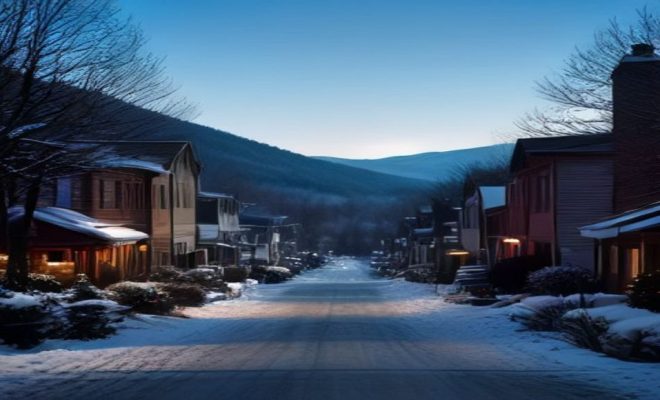
For years, the picturesque town of Stowe, Vermont, has been a battleground. On one side, you had residents, some of whom depend on the steady stream of income from renting out their spare rooms or vacation homes to tourists. On the other, a growing chorus of locals watching their community’s character shift, their neighbors move out, and housing prices skyrocket, largely fueled by the relentless march of short-term rental platforms like Airbnb. Well, the debate is over, at least for now. Stowe has officially enacted new, stringent regulations capping short-term rental properties, a move that’s sending ripples not just through the Green Mountain State, but across communities nationwide grappling with similar challenges.
This isn’t just some minor tweak to local zoning; it’s a significant policy shift that culminates years of contentious discussion. The recently approved ordinance aims to strike a delicate balance: preserving Stowe’s vital tourism economy while attempting to rein in speculative investment and, critically, create more long-term housing opportunities for its year-round residents. If you own property in Stowe, or you’ve been eyeing it as an investment, especially for short-term rentals, you absolutely need to understand what this means for you. Because the rules of the game have fundamentally changed.
The Heart of the Matter: Why Stowe Acted on Short-Term Rentals
Stowe isn’t unique in its struggle. From coastal towns in California to historic districts in Charleston, communities everywhere are wrestling with the transformative, and often disruptive, impact of the short-term rental boom. The appeal is obvious: property owners can often earn significantly more renting a home for a few nights or weeks than they can through a traditional long-term lease. For tourists, these platforms offer diverse, often more authentic, accommodation options than traditional hotels. It sounds like a win-win, doesn’t it?
However, the unchecked proliferation of short-term rentals, particularly those owned by absentee investors, can hollow out communities. Homes that once housed families become revolving doors for vacationers. Local businesses struggle to find staff because there’s nowhere affordable for them to live. Schools see declining enrollment. The very charm that draws tourists in the first place begins to erode. In Stowe, a town celebrated for its world-class skiing, stunning fall foliage, and charming village atmosphere, these concerns became impossible to ignore. The town’s identity, its very social fabric, felt like it was under threat.
The core tension here is a classic economic dilemma: the clash between individual property rights and collective community well-being. Property owners often argue, quite reasonably, that they should be able to do what they wish with their private property to maximize their income. Residents, on the other hand, argue that when individual actions collectively undermine the community’s housing supply, character, and affordability, some level of regulation becomes not just desirable, but necessary. Stowe’s decision is a clear indication that, in this instance, the community’s collective need for stable, affordable housing has taken precedence.
Key Provisions of the New Stowe Short-Term Rental Ordinance
Let’s get down to the brass tacks of what this new ordinance actually entails. It’s not a blanket ban, but it introduces significant restrictions that will undoubtedly reshape the short-term rental landscape in Stowe. The most impactful provision is a hard cap on the total number of short-term rental properties allowed within the town. This isn’t just about slowing growth; it’s about establishing a firm limit, meaning that once the cap is hit, no new licenses will be issued until existing ones are retired or revoked.
Perhaps even more crucially for future investors, the ordinance introduces a residency requirement for new licenses. While existing non-resident owners of short-term rentals will likely be grandfathered in (a common practice to avoid legal challenges), new applicants will face stricter rules. This move is a direct attempt to curb speculative investment from outside the community, ensuring that the benefits of short-term rentals are more closely tied to those who actually live and work in Stowe. Imagine wanting to buy a second home in Stowe purely as an investment vehicle for short-term rentals – that path is now significantly narrowed, if not entirely closed, for non-residents.
Beyond these headline-grabbing caps, the ordinance also includes provisions for stricter enforcement, clearer definitions of what constitutes a short-term rental, and likely increased fees or taxes to help fund administrative oversight and potentially affordable housing initiatives. While the exact details of every clause are complex and will require careful review by property owners, the overarching message is clear: Stowe is moving from a largely unregulated market to a tightly controlled one. (See: urban planning and community health.)
The National Trend: Stowe Isn’t Alone in Its Regulatory Push
What’s happening in Stowe isn’t an isolated incident; it’s part of a much larger national, even global, trend. Communities across the United States, from major metropolitan areas like New York City and New Orleans to popular vacation destinations like Lake Tahoe and Asheville, have been grappling with the same issues. Each community has its own unique character and challenges, but the underlying tensions are remarkably similar.
Consider places like Santa Monica, California, which has some of the strictest short-term rental laws in the country, essentially limiting them to owner-occupied units where the host remains on site. Or Honolulu, which has imposed a 90-day minimum stay for rentals in certain residential areas. Even tourist meccas like Paris and Barcelona have implemented caps and licensing requirements to protect their housing stock and ensure neighborhood stability. The common thread among these diverse locations is the recognition that while platforms like Airbnb offer economic benefits, their unchecked growth can have significant negative externalities on local housing markets, community character, and public services.
These regulatory efforts often face fierce resistance from property owners and industry lobbyists, leading to protracted legal battles and intense political debates. But as the housing crisis deepens in many areas, and as the impact of short-term rentals on local communities becomes more pronounced, towns and cities are increasingly willing to take bold action, even if it means navigating complex legal and political landscapes. Stowe’s decision is just another significant data point in this ongoing saga, demonstrating a growing willingness by local governments to assert control over their housing destinies.
The Divide: Residents vs. Non-Residents and the Income Factor
The debate in Stowe, like in so many other places, wasn’t a simple black-and-white issue. It created a significant divide, often pitting neighbor against neighbor, and residents against non-residents. On one side, you have long-time residents, often those who have invested their lives and livelihoods in Stowe, who are deeply concerned about the erosion of affordable housing. They see their children or essential workers struggling to find a place to live, forcing them out of the community they call home. For them, the ability to maintain a vibrant, year-round community with diverse residents is paramount.
On the other side are property owners, many of whom rely on the income generated from short-term rentals to make ends meet, pay their mortgages, or supplement their retirement. For some, especially those who inherited property or bought before the recent boom, this income stream is not a luxury but a necessity. They argue that they’re contributing to the local economy by bringing in tourists who spend money at local shops and restaurants. They also often feel that their property rights are being infringed upon, and that the town is overstepping its bounds by dictating how they can use their homes. This perspective is particularly prevalent among non-resident owners who purchased properties specifically with the intention of operating short-term rentals. They’ve made a significant investment, often based on existing regulations, and now find the rules changing beneath their feet.
This isn’t to say that all residents are against short-term rentals or that all non-residents are solely motivated by profit. There’s a spectrum of views and situations. But the core tension between these two groups, each with legitimate concerns and financial stakes, made the decision-making process incredibly difficult and prolonged for the Stowe town officials. It’s a classic example of balancing competing interests within a community.
Impact on Property Values and Investment Strategies in Stowe
So, what does this mean for property values and investment strategies in Stowe, particularly concerning short-term rentals? In the immediate term, properties primarily marketed as short-term rentals that now face new restrictions or the inability to obtain a license may see a downward pressure on their market value. Why? Because a significant income stream that justified a higher purchase price has either been curtailed or eliminated for future buyers.
For existing owners who are grandfathered in, their properties might actually become more valuable, at least for a while. If the supply of legal short-term rentals is capped, and demand from tourists remains high, these licensed properties could command premium rental rates. However, the long-term outlook is more complex. The town’s stated goal is to increase long-term housing, which could eventually lead to a more balanced market where traditional rental income becomes more competitive. Investors who bought into Stowe purely for the lucrative short-term rental market will need to reassess their strategies. They might consider transitioning to long-term rentals, selling their properties, or exploring other permissible uses. This could mean lower returns than initially projected, but it also creates opportunities for those looking to invest in traditional, long-term residential properties. (See: short-term rental regulations.)
For potential buyers, particularly non-residents, the landscape has fundamentally shifted. The days of easily acquiring a property solely for short-term rental income might be over. This regulatory change could, paradoxically, make Stowe more appealing for those looking for a traditional second home or a permanent residence, as it signals a commitment to preserving the community’s residential character and potentially stabilizing housing costs over time. It’s a nuanced situation, and smart investors will be carefully analyzing the specific language of the ordinance and its long-term enforcement.
The Role of Property Taxes and Local Revenue
One of the often-cited benefits of short-term rentals is their contribution to local tax revenue. Many municipalities, including Stowe, implement occupancy taxes or sales taxes on short-term stays, which can funnel significant funds into local services, infrastructure, or even affordable housing initiatives. This revenue stream is often a key argument made by proponents of short-term rentals, highlighting their positive economic impact.
However, the debate often revolves around whether this additional revenue sufficiently offsets the costs. These costs can include increased demand on public services (like trash collection, road maintenance, and emergency services in areas with high tourist turnover), the administrative burden of regulating and enforcing short-term rental rules, and, most significantly, the social cost of reduced housing affordability and community displacement. When homes are converted from long-term residences to short-term rentals, they are often taken off the property tax rolls that support schools and other municipal services, or at least they don’t contribute to the same degree as year-round residents.
Stowe’s new ordinance is a declaration that, for its officials, the negative impacts of unchecked short-term rental growth were outweighing the revenue benefits. It suggests a belief that the long-term health and stability of the community, including its housing supply, are more critical than maximizing short-term tourist tax revenue. It will be interesting to observe how the town’s tax base and budget evolve under these new regulations and whether any potential dip in direct short-term rental taxes is offset by a healthier, more stable long-term housing market and a more robust year-round economy.
Understanding Compliance and Licensing for Stowe Short-Term Rentals
For current and aspiring owners of Stowe short-term rentals, understanding the nitty-gritty of compliance and licensing is paramount. Ignorance of the law is no excuse, and violating these new regulations could lead to significant fines, loss of licensing, and other penalties. The first step is to carefully review the full text of the adopted ordinance, not just summaries, to grasp all the specific requirements, deadlines, and definitions. This document will be the ultimate guide for legal operation.
Key areas to focus on will include:
- Application Process: What are the new forms, fees, and documentation required for a short-term rental license?
- Residency Requirements: If you’re a new applicant, what proof of residency will be needed? How is ‘resident’ specifically defined?
- Grandfathering Clauses: If you’re an existing non-resident owner, what are the exact conditions under which your current operation will be allowed to continue? Are there limitations on transferability if you sell the property?
- Occupancy Limits and Safety: The ordinance will likely include provisions for maximum occupancy, fire safety, and other health and safety standards.
- Reporting and Record-Keeping: What data will you be required to report to the town, and how often?
This isn’t a one-time check-the-box exercise. Compliance will likely be an ongoing responsibility, requiring diligence and attention to detail. Property owners should consider consulting with local legal counsel specializing in property law and zoning to ensure full compliance and to understand any nuances or potential challenges. (See: affordable housing initiatives.)
What This Means for Tourism in Stowe
It’s important to acknowledge that Stowe is a tourist town, and its economy relies heavily on visitors. So, what do these new regulations mean for tourism itself? The town’s intention isn’t to deter visitors entirely, but rather to manage the way they’re accommodated and to mitigate the negative impacts on the residential community. In the short term, there might be a perception among some tourists that finding a short-term rental in Stowe has become more difficult or expensive. If the supply of available short-term rentals decreases while demand remains constant or grows, prices for those remaining units could indeed rise.
However, the long-term vision is likely one where Stowe maintains its appeal as a premier destination, but with a more balanced housing ecosystem. A thriving, stable year-round community, where essential workers can afford to live and local businesses can staff up, ultimately enhances the visitor experience. A town that feels authentic, rather than just a collection of vacation homes, is often more attractive to tourists seeking genuine experiences.
This shift could also lead to a renewed focus on traditional lodging options like hotels, inns, and bed-and-breakfasts. These establishments often contribute significantly to the local tax base, employ a large local workforce, and are already integrated into the town’s commercial fabric. Ultimately, the goal is a sustainable tourism model, one where the economic benefits are shared more equitably and don’t come at the expense of the community’s core residents.
The Future of Housing Affordability and Community Character
The ultimate success of Stowe’s new short-term rental ordinance will be measured by its impact on housing affordability and the preservation of the town’s unique community character. Will it genuinely lead to more long-term rental units becoming available? Will it slow the relentless rise of housing prices? Will it help retain and attract the essential workers, families, and artists who make Stowe a vibrant place to live, not just visit?
These are complex questions with no immediate answers. Regulatory changes often take years to fully manifest their intended effects. There will undoubtedly be challenges, unintended consequences, and perhaps even further adjustments to the ordinance as the town monitors its impact. But one thing is clear: Stowe has taken a decisive step to prioritize its residents and its long-term community health. It’s a bold move that reflects a growing realization across many desirable destinations that the promise of unrestricted short-term rental income, while alluring, often comes with a steep price tag for the local community. The eyes of many other towns facing similar dilemmas will be watching Stowe closely to see if this bombshell policy truly delivers on its promise.
Trending Now
Frequently Asked Questions
What are the new short-term rental regulations in Stowe, Vermont?
Stowe has enacted stringent regulations that cap short-term rental properties to address community concerns over rising housing prices and the impact on local character. The new ordinance aims to balance the tourism economy with the need for more long-term housing for residents.
Why did Stowe decide to regulate short-term rentals?
Stowe's decision to regulate short-term rentals stems from years of debate among residents. Many locals are concerned about the community's character changing due to high housing costs driven by short-term rentals, leading to a need for more long-term housing options.
How do short-term rental regulations impact property owners in Stowe?
Property owners in Stowe must adapt to the new regulations, which limit the number of short-term rentals allowed. This may affect their potential earnings from renting out properties and requires them to consider long-term rental options instead.
What challenges are communities facing with short-term rentals?
Many communities, like Stowe, are grappling with the disruptive impact of short-term rentals on housing markets and local character. These challenges include rising housing prices, a shift in neighborhood dynamics, and the need for regulatory measures to protect residents.
How do short-term rentals benefit tourists?
Short-term rentals provide tourists with diverse and often more authentic accommodation options compared to traditional hotels. They allow visitors to experience local neighborhoods and culture, making them a popular choice for travelers.
Related reading: impact on your Airbnb.
What's your take on this? Share your thoughts in the comments below — we read every one.