This Troubling Trend Is Fueling AI Discrimination Lawsuits Against Tech Giants
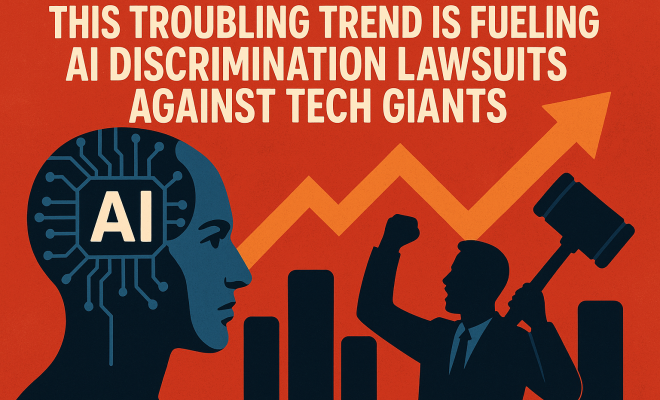
You’ve probably heard the buzz about artificial intelligence transforming industries, boosting efficiency, and even writing articles like this one. But beneath the shiny veneer of innovation, a darker, more concerning trend is emerging: AI discrimination. We’re not talking about some far-off, dystopian future here; we’re talking about real people losing their jobs, being denied opportunities, and facing unfair treatment right now, all because of algorithms.
Major tech players like Meta, IBM, and Workday are finding themselves squarely in the crosshairs of a growing wave of AI discrimination lawsuits. These aren’t just minor legal spats; they represent a significant challenge to the unchecked deployment of AI in critical human resource functions. The allegations are serious, pointing to systemic biases in AI-assisted systems used for everything from deciding who gets laid off to who gets rehired, and even how daily workforce management decisions are made. It’s a truly troubling development that highlights the urgent need for greater accountability and transparency in the AI landscape.
The Rising Tide of AI Discrimination Lawsuits
It’s no secret that companies have been eager to integrate AI into their operations, promising efficiencies and objective decision-making. But what happens when that ‘objective’ AI turns out to be anything but? That’s precisely the core of the AI discrimination lawsuits currently making headlines. These legal challenges aren’t just theoretical; they stem from concrete impacts on individuals’ lives and livelihoods.
Consider the plight of older workers, for instance. Several lawsuits allege that AI systems, perhaps inadvertently, favor younger candidates or penalize those with longer tenures, leading to discriminatory layoff decisions. Then there are individuals with disabilities, who might find themselves overlooked by algorithms that prioritize certain performance metrics or communication styles without adequate accommodation. And let’s not forget those on protected leave, such as parental leave or medical leave, who could be unfairly flagged by AI systems designed to optimize staffing levels without considering legal protections. These aren’t isolated incidents; they represent a pattern that suggests a deeper, systemic issue within how AI is currently designed and deployed in human resources.
Who’s Being Sued and Why?
When you hear about companies like Meta, IBM, and Workday being named in AI discrimination lawsuits, it’s a stark reminder that even the biggest and most sophisticated tech firms aren’t immune. These companies are, after all, pioneers in AI development and deployment. The accusations generally revolve around their use of AI in functions like hiring, performance evaluations, and, most critically, layoff decisions. The problem often lies in the opaque nature of these systems. When an AI makes a decision, it’s not always clear why it made that decision. This ‘black box’ problem makes it incredibly difficult for individuals to challenge outcomes, and for regulators to ensure fairness.
For example, an AI designed to identify ‘low performers’ might inadvertently flag older workers whose skills, while valuable, don’t perfectly align with the latest digital trends, or individuals with disabilities who might require different work arrangements. The algorithms learn from historical data, and if that data inherently contains biases – which, let’s be honest, much of our historical employment data does – then the AI will simply perpetuate and even amplify those biases. This isn’t just a technical glitch; it’s a fundamental flaw in the design and ethical consideration of these powerful tools.
The EU’s Bold Move: The Artificial Intelligence Act
While the lawsuits are shining a spotlight on the problems, regulators are also stepping up. The European Union, often a trailblazer in digital regulation, has introduced a landmark piece of legislation: the Artificial Intelligence Act. This act isn’t just another set of guidelines; it’s a comprehensive framework designed to ensure AI systems are safe, transparent, and ethically sound. And critically, it’s not just for European companies; if you’re deploying AI that affects EU citizens, you’ll need to comply.
The new transparency obligations, which kick in on August 2, 2026, are particularly significant. They mandate that providers and deployers of certain ‘high-risk’ AI systems must disclose when users are interacting with AI. Think about it: if you’re applying for a job, you’ll know if an AI is reviewing your resume. If you’re interacting with a customer service bot, you’ll be informed. Furthermore, AI-generated content will need to be clearly labeled. This is a monumental shift aimed at empowering individuals and fostering trust in AI, something that’s sorely lacking right now.
Transparency as a Shield Against Bias
Why is transparency so important in the context of AI discrimination? Simply put, you can’t fix what you can’t see. When AI decision-making is hidden behind layers of proprietary code and complex algorithms, it becomes almost impossible to identify and rectify biases. The EU’s mandate for disclosure and labeling is a direct response to this ‘black box’ problem. By forcing companies to reveal when and how AI is being used, it creates a crucial opportunity for oversight. OpenAI lawsuit insights offers useful background here.
Imagine a scenario where a company uses an AI tool to filter job applicants. Under the new EU rules, applicants would ideally know this. If an applicant suspects discrimination, the transparency requirement could provide a starting point for investigation. This level of visibility isn’t just about compliance; it’s about shifting the power dynamic, giving individuals a better chance to understand and challenge decisions that profoundly affect their lives. It’s a move towards making AI more accountable, not just to shareholders, but to society at large. (See: AI discrimination lawsuits in technology.)
The Viral Debate: AI Ethics and Accountability
The confluence of these high-profile AI discrimination lawsuits and the impending enforcement of strict EU regulations has ignited a truly viral debate around AI ethics and accountability. It’s no longer a niche conversation among academics or tech enthusiasts; it’s a mainstream topic with real-world implications that are impossible to ignore. People are waking up to the fact that AI isn’t just a neutral tool; it reflects the biases and assumptions embedded by its creators and the data it’s trained on.
This debate is challenging the prevailing ‘move fast and break things’ mentality that has long dominated the tech industry. The stakes are simply too high when AI is making decisions about employment, healthcare, credit, and even criminal justice. The question isn’t just ‘can we build it?’ but ‘should we build it this way?’ and ‘what are the ethical safeguards we need to put in place?’ It’s pushing companies, policymakers, and the public to confront the profound societal impact of these powerful technologies and demand a more responsible approach to their development and deployment.
Beyond the Hype: Real-World Consequences
When we talk about AI discrimination, it’s easy to get lost in the technical jargon or philosophical arguments. But at its heart, this is about real people and real consequences. Losing a job, being denied a promotion, or struggling to find new employment because an algorithm made a flawed decision can have devastating effects on an individual’s financial stability, mental health, and overall well-being. These aren’t abstract concepts; they are the lived experiences of those directly impacted by biased AI systems.
Think about the emotional toll. Imagine diligently working for years, only to be laid off by an AI-driven process that offers no human explanation or recourse. Or applying for countless jobs, only to be rejected repeatedly by an automated system that you can’t even communicate with. This isn’t just unfair; it’s dehumanizing. The growing number of AI discrimination lawsuits are a clear signal that society is no longer willing to accept these consequences as an unavoidable byproduct of technological progress. We’re demanding better, and rightly so.
Legal Services: A Booming Niche in AI Compliance
With AI discrimination lawsuits on the rise and stringent regulations like the EU AI Act looming, businesses are scrambling to get their houses in order. This creates an enormous demand for specialized legal services focusing on AI compliance. Lawyers who understand both the intricacies of AI technology and the complexities of anti-discrimination laws are suddenly in high demand. It’s a fascinating intersection of fields that few were predicting just a few years ago.
Law firms are now building dedicated practices around AI ethics, governance, and compliance. They’re advising companies on how to conduct AI impact assessments, develop ethical AI guidelines, and, crucially, defend against potential AI discrimination lawsuits. This isn’t just about reactive defense; it’s about proactive risk management. Companies want to avoid these costly and reputation-damaging legal battles in the first place, and that means investing in expert legal guidance upfront.
Navigating the Labyrinth of AI Regulations
The regulatory landscape for AI is a complex and rapidly evolving one. It’s not just the EU AI Act; other jurisdictions are also developing their own frameworks, albeit at different paces. For businesses operating globally, this means navigating a labyrinth of differing rules and standards. What might be compliant in one country could be a major violation in another. This is where specialized legal expertise becomes indispensable.
Legal professionals are tasked with helping companies understand their obligations, interpret ambiguous clauses, and implement practical solutions. This could involve everything from reviewing AI contracts to advising on data governance policies, and from training internal teams on ethical AI practices to developing robust internal auditing mechanisms. It’s a truly challenging field, but one that offers significant opportunities for those with the right blend of legal acumen and technological understanding.
The Tech Solution: B2B SaaS for AI Auditing and Bias Detection
It’s not just the legal sector benefiting from this surge in AI accountability. The tech world itself is stepping up to provide solutions. We’re seeing a rapid emergence of B2B SaaS (Software as a Service) platforms specifically designed for AI auditing and bias detection. These tools are becoming critical for companies that want to leverage AI but also need to ensure fairness and compliance. After all, you can’t just wish away bias; you need tools to actively identify and mitigate it.
These platforms often employ sophisticated techniques to analyze AI models, scrutinize training data for inherent biases, and even simulate real-world scenarios to predict discriminatory outcomes. They can help identify whether an algorithm is disproportionately affecting certain demographic groups, whether it’s making consistent decisions, and where its decision-making process might be opaque. For many companies, these SaaS solutions are becoming a non-negotiable part of their AI development and deployment lifecycle, acting as an essential safeguard against potential AI discrimination lawsuits.
From Reactive to Proactive: Preventing Bias at the Source
The goal of these AI auditing and bias detection tools isn’t just to catch problems after they’ve occurred, but to prevent them from happening in the first place. This represents a crucial shift from reactive problem-solving to proactive risk management. By integrating these tools into the early stages of AI development – from data collection and model training to deployment and continuous monitoring – companies can build more robust, fair, and compliant AI systems. (See: systemic biases in AI systems.)
Imagine a company developing an AI for resume screening. A bias detection tool could analyze the training data to ensure it doesn’t inadvertently favor candidates from certain universities or with specific cultural backgrounds. It could then monitor the deployed AI to ensure its decisions remain fair over time, flagging any emerging biases. This proactive approach is not only ethically sound but also makes sound business sense, helping companies avoid the costly fallout of AI discrimination lawsuits and reputational damage.
Monetization Opportunities: Comparison Content and Expert Advice
This evolving landscape of AI ethics, compliance, and legal challenges isn’t just a headache for businesses; it’s also creating significant monetization opportunities. Specifically, there’s a burgeoning market for comparison content and expert advice. Think about it: businesses are desperate for clear, actionable guidance on how to navigate these complex issues. They need to understand what tools are available, which legal services are best suited for their needs, and how to effectively implement AI governance strategies.
The high-CPC (Cost Per Click) niche for legal and software services related to AI compliance is a strong indicator of this demand. Companies are willing to pay a premium for information that helps them mitigate risk and ensure compliance. This creates a fertile ground for content creators, industry analysts, and specialized consultants to offer valuable insights, comparisons of different solutions, and expert opinions that guide businesses through this new frontier.
Filling the Information Vacuum
There’s currently a significant information vacuum when it comes to practical, unbiased advice on AI compliance. Many businesses, especially small to medium-sized enterprises, simply don’t have the internal expertise to fully grasp the legal and technical implications of AI deployment. They’re looking for trustworthy sources that can break down complex regulations, compare the pros and cons of different AI auditing tools, and provide best practices for ethical AI development.
This is where comparison content, detailed reviews, and expert-led guides truly shine. Websites that can offer side-by-side analyses of legal firms specializing in AI, or deep dives into the features and pricing of various bias detection SaaS platforms, will capture a highly engaged and valuable audience. Similarly, consultants and thought leaders who can provide strategic advice on building an ethical AI framework will find themselves in high demand. It’s all about providing clarity and actionable intelligence in a market that’s hungry for it.
The Future of AI: Beyond Efficiency to Equity
As we look ahead, it’s clear that the future of AI cannot solely be about efficiency or innovation for innovation’s sake. The mounting AI discrimination lawsuits and the rigorous new regulations from the EU are forcing a crucial pivot: a shift towards equity, fairness, and human-centric design. This isn’t just about avoiding legal penalties; it’s about building a more responsible and trustworthy technological ecosystem.
The conversation is moving beyond simply asking ‘what can AI do?’ to ‘what should AI do, and how can we ensure it serves all of humanity fairly?’ This means investing in diverse teams that build AI, incorporating ethical considerations from the very first lines of code, and committing to ongoing auditing and transparency. It’s a challenging path, but one that is absolutely essential if AI is to fulfill its promise as a tool for progress, rather than a perpetuator of existing societal biases.
Building Trust in an Automated World
Ultimately, the success and widespread adoption of AI will hinge on trust. If people believe that AI systems are inherently biased, opaque, and prone to discrimination, they will resist their integration into critical areas of life. The current wave of AI discrimination lawsuits serves as a powerful reminder that trust, once lost, is incredibly difficult to regain. It highlights the urgent need for developers, deployers, and policymakers to prioritize ethical considerations and accountability. We covered AI copyright challenges in more detail.
By embracing transparency, investing in bias detection, and holding ourselves accountable when things go wrong, we can begin to build AI systems that are not only intelligent but also fair and equitable. This is the only way to ensure that AI becomes a force for good, genuinely augmenting human capabilities and enriching our lives, rather than creating new forms of injustice and inequality. (See: impact of AI on workforce management.)
FAQ: Understanding AI Discrimination Lawsuits
Given the complexity and novelty of AI discrimination lawsuits, it’s common to have a lot of questions. Here are some of the most frequently asked ones, designed to give you a clearer picture of this evolving legal landscape.
What exactly constitutes AI discrimination?
AI discrimination happens when an artificial intelligence system, through its design, training data, or deployment, leads to unfair or prejudiced treatment against individuals or groups. This often involves protected characteristics like age, race, gender, disability, religion, or national origin. It’s not necessarily about malicious intent; even unintentionally biased algorithms can result in discriminatory outcomes.
How can I tell if I’ve been a victim of AI discrimination?
Identifying AI discrimination can be tough because of the “black box” nature of many algorithms. However, some red flags include: consistently being denied opportunities (jobs, promotions, credit) despite strong qualifications, experiencing unexplained adverse decisions after interacting with automated systems, or noticing a pattern where people similar to you (e.g., in age or background) are disproportionately affected by a company’s AI-driven processes. Keeping detailed records of your applications, interactions, and the outcomes is always a good idea.
What types of companies are most at risk for AI discrimination lawsuits?
Any company deploying AI in critical decision-making processes, especially those impacting human rights or opportunities, is at risk. This includes sectors like human resources (hiring, firing, promotions), financial services (loan approvals, credit scoring), healthcare (diagnosis, treatment recommendations), and housing (rental applications, mortgage approvals). Tech companies that develop and sell AI tools to these sectors also face significant liability.
What legal precedents exist for AI discrimination?
While AI discrimination is a relatively new legal area, existing anti-discrimination laws (like Title VII of the Civil Rights Act in the US, or the Equality Act in the UK) are being applied to AI contexts. Courts are extending principles of disparate impact (where a neutral policy disproportionately harms a protected group) and disparate treatment (intentional discrimination) to algorithmic decision-making. The challenge is proving how the AI caused the discriminatory outcome, which is why transparency and auditing are so crucial.
What steps can companies take to avoid AI discrimination lawsuits?
Proactive measures are key. Companies should: conduct regular AI impact assessments to identify potential biases; diversify their AI development teams; ensure training data is fair and representative; implement robust bias detection and mitigation tools; establish clear governance frameworks for AI deployment; provide human oversight and appeal mechanisms for AI-driven decisions; and stay current with evolving AI regulations like the EU AI Act. Ethical considerations need to be integrated into every stage of the AI lifecycle.
Is the EU AI Act the only regulation addressing AI discrimination?
No, while the EU AI Act is a groundbreaking comprehensive framework, other regions are also developing regulations. In the US, for example, various federal agencies (like the EEOC, FTC, and DOJ) are looking into AI’s impact on civil rights, consumer protection, and fair housing. Several states, like New York City, have also introduced local laws regarding AI in employment. The global regulatory landscape is fragmented but moving towards greater accountability for AI.
Trending Now
Frequently Asked Questions
What is AI discrimination?
AI discrimination refers to biased outcomes generated by artificial intelligence systems that negatively affect certain groups of people. This can result in unfair treatment in hiring, layoffs, and other workplace decisions, often impacting marginalized individuals, such as older workers or those with disabilities.
Why are tech companies facing lawsuits related to AI?
Tech giants like Meta, IBM, and Workday are facing lawsuits due to allegations that their AI systems exhibit systemic biases. These biases can lead to discriminatory practices in employment decisions, affecting who gets hired, laid off, or given opportunities within the company.
How does AI affect hiring decisions?
AI can influence hiring decisions by analyzing data to identify suitable candidates. However, if the algorithms are biased, they may unfairly favor certain demographics, such as younger candidates, or disadvantage individuals with disabilities, leading to potential discrimination claims.
What are the consequences of AI discrimination?
The consequences of AI discrimination can be severe, resulting in individuals losing job opportunities, being unfairly laid off, or facing ongoing workplace bias. This not only affects livelihoods but also raises significant ethical and legal concerns about the use of AI in employment.
What can be done to prevent AI discrimination?
To prevent AI discrimination, companies must ensure greater accountability and transparency in their AI systems. This includes regular audits for bias, implementing diverse training data, and actively seeking feedback from affected groups to create more equitable AI solutions.
Agree or disagree? Drop a comment and tell us what you think.