This One Geopolitical Shock Just Sent the US Stock Market Performance Spiraling

It’s August 2026, and if you’ve been watching the financial news, you know things are…complicated. We’re talking about a volatile mix of geopolitics, inflation fears, and a Federal Reserve chairman under intense scrutiny. This isn’t just abstract economic theory; it’s hitting your wallet directly, from the gas pump to your grocery bill, and it’s profoundly shaping the US stock market performance.
On Tuesday, August 25, 2026, the markets were a whirlwind, largely driven by renewed geopolitical tensions between the United States and Iran. Now, you might think, “Geopolitics? Again?” And yes, again. But this time, the ripple effect on global oil prices, and consequently on inflation and interest rate expectations, is proving particularly potent, sparking significant market volatility across the board. The situation is so impactful because it directly affects consumer costs, like the price you pay for gasoline and everyday goods, and it casts a long shadow over investment portfolios. It’s no wonder this has become an emotionally charged subject for just about everyone.
Federal Reserve Chairman Kevin Warsh is squarely in the hot seat. The pressure on him to hike interest rates to get a handle on inflation is mounting daily. Everyone’s ears will be perked for his upcoming speech at Jackson Hole, where any policy signals he sends will be dissected with surgical precision. For investors, homeowners, and really, anyone trying to make sense of their personal finances, understanding these interlocking forces is absolutely crucial. This isn’t just about the daily ups and downs of the US stock market performance; it’s about the broader economic currents that will define the rest of the year, and likely beyond.
The Geopolitical Fuse: US-Iran Tensions Reignite Market Fears
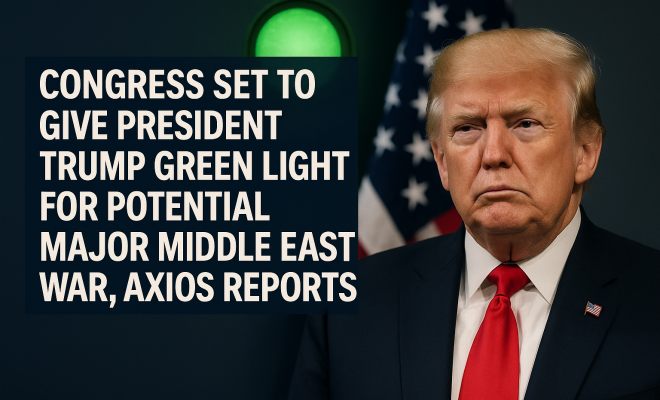
Let’s unpack the core issue that sent jitters through the global financial system: the resurgence of tensions between the United States and Iran. This isn’t a new story, of course. The relationship has been fraught for decades, punctuated by periods of heightened friction. However, the latest escalation, particularly the Trump administration’s announcement of new sanctions against Iran, has thrown a significant wrench into the already delicate balance of the global energy market.
Initially, you might expect sanctions against a major oil producer like Iran to send crude prices soaring, driven by supply concerns. Indeed, that was the immediate reaction in some corners of the market, causing a temporary spike. Yet, what we observed on August 25th was a counterintuitive twist: oil prices actually declined. This complex reaction suggests that while supply disruptions are a factor, other market dynamics are at play, perhaps a broader fear of global economic slowdown that could dampen demand, or even a perception that the sanctions might not immediately impact oil flows as severely as initially feared. The market’s interpretation of geopolitical events is rarely straightforward, and this divergence between initial expectations and actual price movement highlights that complexity. Such uncertainty doesn’t exactly instill confidence in the US stock market performance.
What makes this particular geopolitical flare-up so impactful isn’t just the direct effect on crude oil. It’s the psychological ripple. When a major global supply chain, like oil, faces instability, it triggers a cascade of concerns throughout the economy. Businesses face higher input costs, consumers brace for more expensive gasoline, and investors become risk-averse. This uncertainty breeds volatility, making it incredibly challenging to predict short-term market movements and contributing to an overall sense of unease that can weigh heavily on the US stock market performance.
Oil’s Volatile Dance: More Than Just Sanctions
The behavior of oil prices on August 25, 2026, was a masterclass in market contradiction. The news of fresh US sanctions against Iran, ostensibly designed to cripple their oil exports, would typically be met with an immediate surge in crude benchmarks like Brent and WTI. After all, reducing supply from a significant producer should, in theory, push prices higher if demand remains constant. Yet, the opposite occurred: oil prices retreated. We covered Asian market insights in more detail.
So, what gives? This isn’t simply a case of markets misinterpreting news. It points to a deeper, more nuanced interaction of supply and demand factors, coupled with broader macroeconomic anxieties. One plausible explanation is that while the sanctions signal a potential future tightening of supply, the immediate market reaction might be overshadowed by fears of a global economic slowdown. If major economies like the US, Europe, or China are perceived to be heading towards a recession, or even just a significant deceleration, the demand for oil would naturally decrease, offsetting the impact of any supply-side restrictions. In essence, the market might be pricing in future demand destruction over immediate supply constraints. (See: Economic impacts on health and wellbeing.)
Another factor could be the perception of the effectiveness and enforcement of these new sanctions. Are they truly seen as airtight, or do traders anticipate workarounds or waivers that might mitigate their impact on global supply? The history of sanctions against Iran has shown varying degrees of success, and market participants are savvy enough to factor in these complexities. This volatile dance of oil prices is more than just a headline; it’s a barometer of global economic health and geopolitical stability, directly influencing everything from manufacturing costs to freight shipping, and consequently, the health of the US stock market performance.
Inflation’s Grip: The Consumer’s Burden
If there’s one word that makes central bankers and everyday consumers alike wince, it’s ‘inflation.’ And right now, it feels like inflation has a firm grip on the economy. The geopolitical tensions and fluctuating oil prices we’ve been discussing aren’t just abstract numbers on a screen; they translate directly into tangible costs for you and me. Think about it: higher crude oil prices, even if they fluctuate, inevitably lead to more expensive gasoline at the pump. This isn’t just an inconvenience; for many households, it’s a significant drain on disposable income.
But the impact of inflation extends far beyond your gas tank. Transportation costs are a fundamental component of nearly every good and service. When fuel prices rise, so do the costs for trucking companies, airlines, and shipping lines. These increased expenses are then passed down the supply chain, ultimately landing on the consumer in the form of higher prices for everything from groceries to electronics. This phenomenon is often referred to as ‘cost-push’ inflation.
The emotional charge around this topic is palpable because it hits people where they live. Families are seeing their budgets stretched thin, struggling to afford the same basket of goods they could just a year or two ago. This erosion of purchasing power creates widespread economic anxiety and, frankly, political pressure. It’s a key reason why discussions about interest rates and monetary policy become so intense – because the stakes are incredibly high for millions of households attempting to maintain their standard of living amidst rising costs. This pervasive concern inevitably filters into investment decisions and overall sentiment, influencing the US stock market performance.
The Fed’s Dilemma: Chairman Warsh Under Pressure
Enter Federal Reserve Chairman Kevin Warsh, a man under immense pressure as he navigates one of the most challenging economic environments in recent memory. His primary mandate, as with all Fed chairs, is to maintain price stability and maximize employment. Right now, price stability – or rather, the lack thereof – is the dominant concern. With inflation stubbornly high, the calls for the Fed to act decisively are growing louder by the day. (weekly market overview)
The central tool in the Fed’s arsenal for fighting inflation is raising interest rates. Higher rates make borrowing more expensive, which ideally cools down economic activity, reduces demand, and thereby helps to bring prices back under control. However, it’s a delicate balancing act. Hike rates too aggressively, and you risk tipping the economy into a recession, leading to job losses and a different set of economic woes. Hike too timidly, and inflation could become entrenched, leading to an even more painful correction down the line.
All eyes are now fixed on Warsh’s upcoming speech at the annual Jackson Hole Economic Symposium. This gathering of central bankers, economists, and financial leaders is a traditional venue for major policy signals, and this year, it’s more critical than ever. Investors, analysts, and everyday citizens will be scrutinizing every word for clues about the Fed’s future trajectory. Will he signal an aggressive rate-hiking path, a more cautious approach, or perhaps a pause to assess the impact of previous tightening? Whatever he says will send ripples through bond markets, currency markets, and, of course, directly impact the US stock market performance. His communication strategy will be as important as the policy itself.
Interest Rate Expectations: The Mortgage Market’s Rollercoaster
The anticipated direction of interest rates isn’t just a concern for equity investors; it’s a truly seismic issue for the mortgage market and anyone looking to buy a home or refinance. When the Federal Reserve raises its benchmark interest rate, it typically pushes up borrowing costs across the economy, and mortgage rates are no exception. For potential homebuyers, even a seemingly small increase in mortgage rates can significantly impact affordability, adding hundreds, or even thousands, of dollars to monthly payments over the life of a loan. This builds on optimism in Asian markets.
Imagine you’re trying to purchase a home right now. You’re not just contending with high housing prices; you’re also watching mortgage rates swing wildly based on every inflation report, every geopolitical headline, and every utterance from a Fed official. This creates a volatile and unpredictable environment, making it incredibly difficult to budget, plan, and commit to one of the largest financial decisions of your life. Lenders, too, face challenges in pricing their products and managing risk in such an unpredictable landscape. (See: Geopolitical tensions and market volatility.)
Existing homeowners aren’t immune either. Those with adjustable-rate mortgages (ARMs) could see their monthly payments jump, adding financial strain. And for those contemplating a refinance to lock in a lower rate or tap into home equity, the window of opportunity can close quickly as rates climb. The uncertainty surrounding interest rate expectations translates into a direct, tangible financial impact on millions of Americans, making this a highly charged topic in personal finance discussions and a key determinant of broader economic health, which in turn influences US stock market performance.
Investment Portfolios Under Siege: Navigating Volatility
For investors, the current environment feels less like a gentle sail and more like a voyage through a tempest. The confluence of geopolitical risk, inflation, and uncertain interest rate policy creates a landscape of significant volatility, putting investment portfolios under considerable siege. Whether you’re a seasoned institutional investor or an individual managing your retirement savings, the challenge is real.
When markets are this sensitive, even seemingly minor news can trigger sharp swings. We’re seeing sectors react differently: energy stocks might get a boost from rising oil prices (at least initially), while growth stocks that rely on future earnings potential can be hit hard by higher discount rates. Bonds, traditionally seen as a safe haven, are also facing headwinds as rising inflation erodes their fixed returns and higher rates push down their values. This means the classic 60/40 portfolio (60% stocks, 40% bonds) isn’t necessarily offering the same level of diversification or protection it once did.
The emotional toll on investors is also significant. Watching your portfolio fluctuate wildly can be stressful, leading some to make rash decisions – selling low in a panic, or chasing the latest hot trend without proper due diligence. The key in such times is often a disciplined, long-term perspective, coupled with a diversified approach that accounts for various economic scenarios. However, executing this strategy requires a strong stomach and a clear understanding of the underlying forces at play, which are currently making the US stock market performance a very bumpy ride.
The High-CPC Niche: Seeking Financial Guidance
It’s no surprise that in times of economic uncertainty, people aggressively seek answers, advice, and solutions. This current climate, characterized by rising costs and fluctuating interest rates, has created a boom in what are known as high-CPC (Cost Per Click) niches online. These are areas where advertisers pay a premium to reach audiences who are actively searching for financial guidance, and it underscores the tangible, commercial search intent driven by these events.
Consider terms like “inflation hedges.” When inflation is rampant, individuals and institutions are desperate to protect their purchasing power. They’re searching for assets or strategies that can hold their value, or even appreciate, when the cost of living is rising. This could mean looking into real estate, commodities like gold, inflation-indexed bonds, or even certain types of equities that tend to perform well in inflationary environments. The demand for information here is huge, and advertisers offering such solutions are willing to pay top dollar to capture that intent.
Similarly, “mortgage rate predictions” is another hot search term. With interest rates in flux, anyone contemplating a home purchase or refinancing is meticulously tracking forecasts. They want to know if rates are expected to go up or down, and by how much, so they can time their financial decisions effectively. This drives traffic to financial news sites, mortgage brokers, and financial advisors. These search trends aren’t just statistics; they’re a direct reflection of the widespread financial anxiety and the urgent need for actionable insights. It’s a clear signal that the public is actively trying to understand and mitigate the impact of current economic conditions on their personal finances and their investments, including how these factors relate to US stock market performance.
Looking Ahead: Jackson Hole and Beyond
As we peer into the immediate future, all roads lead to Jackson Hole. Chairman Warsh’s speech there will undoubtedly be the next major catalyst for market movement. His words carry immense weight, and any indication of a shift in the Fed’s stance on inflation or interest rates will be analyzed with a fine-tooth comb. Will he reiterate a hawkish stance, signaling further aggressive rate hikes to quell inflation, even at the risk of economic slowdown? Or will he offer a more nuanced perspective, perhaps acknowledging the economic headwinds and hinting at a more cautious approach? (See: Inflation and interest rate expectations.)
Beyond Jackson Hole, the geopolitical situation with Iran will remain a critical variable. Sanctions are rarely static, and the global response to them, as well as Iran’s own actions, could further complicate the oil market. Any escalation or de-escalation of tensions could send fresh shocks through crude prices, with immediate repercussions for inflation expectations and, by extension, the Fed’s policy path. This ongoing dynamic is a constant source of uncertainty that investors must factor into their decisions. oil price fluctuations analysis offers useful background here.
We’re also watching for other economic data points – consumer price index (CPI) reports, employment figures, manufacturing data – all of which will feed into the broader narrative of economic health and inflationary pressures. Each piece of data provides another puzzle piece that the Fed, and indeed all of us, must integrate into our understanding of the economy. The interplay of these factors will continue to shape investor sentiment, consumer confidence, and ultimately, the trajectory of the US stock market performance for the foreseeable future. There are no easy answers, only careful navigation.
Managing Your Finances in a Turbulent Environment
So, what’s an individual to do when the financial seas are so choppy? First, knowledge is power. Understanding the forces at play – the geopolitical tensions, the dynamics of oil prices, the Fed’s dilemma, and the impact on inflation and interest rates – is your first line of defense. Don’t just consume headlines; try to grasp the underlying mechanisms.
Secondly, assess your personal financial situation. If you’re carrying variable-rate debt, like certain credit cards or adjustable-rate mortgages, rising interest rates could significantly impact your monthly budget. It might be prudent to explore options for locking in rates or accelerating repayment where possible. For those looking to buy a home, staying agile and having a clear understanding of your affordability thresholds is more crucial than ever.
For investors, diversification remains a cornerstone. While it might not prevent all volatility, a well-diversified portfolio across different asset classes and geographies can help mitigate some of the risks. Revisit your risk tolerance; are you truly comfortable with the current level of market swings? This might be a good time to consult with a qualified financial advisor who can help you tailor a strategy that aligns with your long-term goals and current risk appetite. Remember, reacting impulsively to daily market movements is often a recipe for regret. Focus on your long-term plan, stay informed, and make deliberate, rather than emotional, financial decisions. The current environment is a stark reminder that the US stock market performance is intertwined with a complex web of global events, making proactive financial management essential.
Trending Now
Frequently Asked Questions
What geopolitical events are affecting the US stock market?
Renewed tensions between the United States and Iran are currently impacting the US stock market. These geopolitical issues are causing fluctuations in global oil prices, which in turn affect inflation and interest rate expectations, leading to significant market volatility.
How does inflation affect the stock market?
Inflation can erode purchasing power and increase costs for consumers, which directly influences corporate profits and investor sentiment. As inflation rises, it often leads to increased interest rates, making borrowing more expensive and negatively impacting stock market performance.
What role does the Federal Reserve play in market performance?
The Federal Reserve, particularly through its chairman, influences market performance by setting interest rates and managing inflation. Any signals regarding policy changes, especially during key events like the Jackson Hole meeting, can lead to significant market reactions from investors.
Why are gas prices related to stock market fluctuations?
Gas prices are closely tied to geopolitical tensions and oil market dynamics. When tensions arise, such as those between the US and Iran, oil prices can spike, leading to increased consumer costs and impacting overall economic sentiment, which in turn affects stock market performance.
What should investors watch for in the current market environment?
Investors should closely monitor geopolitical developments, particularly US-Iran relations, inflation trends, and Federal Reserve policy signals. Understanding these interconnected factors is crucial for making informed investment decisions in a volatile market.
What's your take on this? Share your thoughts in the comments below — we read every one.