This Mahindra XEV 9e Crash Just Went Viral — Here’s Why It’s So Bizarre
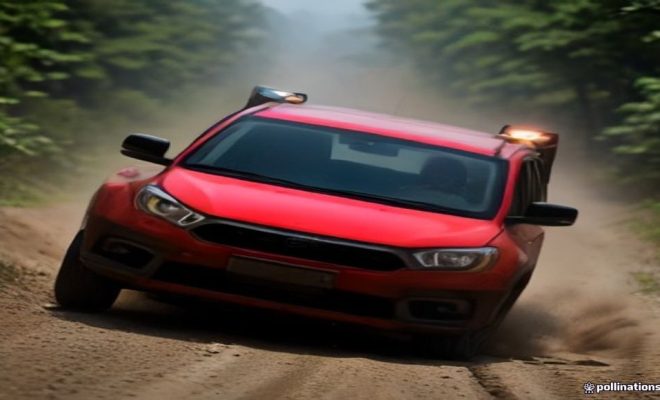
Imagine this: you’re driving along, minding your own business, and the next thing you know, your electric SUV isn’t just on the road anymore. It’s on a *railway track*. Not parked, not crossing, but stuck, tires wedged between the unforgiving steel rails, a railway crossing barrier mangled behind you. That’s precisely the wild scenario that recently unfolded in Jodhpur, India, involving a Mahindra XEV 9e. It’s an incident that has quite rightly sent shockwaves across social media, primarily because of its sheer, head-scratching absurdity and the very real danger it presented.
The viral video footage, which has been making the rounds, shows the XEV 9e, a relatively new entrant in the burgeoning electric SUV market, looking utterly out of place. It’s a scene that’s equal parts bewildering and alarming, sparking countless conversations online about road safety, driver awareness, and frankly, just how something like this could even happen. This isn’t your everyday fender bender; this is a full-blown automotive oddity that brought train traffic to a standstill and put lives at risk. The Mahindra XEV 9e crash isn’t just a local news item; it’s a stark, visual reminder of the unpredictable nature of the road and the severe consequences when things go awry.
The Unfolding Drama: How the Mahindra XEV 9e Ended Up on the Tracks
Let’s break down the bizarre sequence of events that led to the Mahindra XEV 9e’s unplanned railway excursion. According to initial reports, the incident began not with the railway crossing itself, but with a collision. The XEV 9e reportedly struck a motorcycle, a common enough occurrence on India’s often-congested roads, but one that frequently sets off a chain reaction of unpredictable outcomes.
The impact with the motorcycle seems to have been the catalyst. The driver of the electric SUV, presumably disoriented or panicking after the initial collision, lost control of the vehicle. This loss of control proved catastrophic. Instead of regaining composure and steering clear, the XEV 9e veered sharply, crashing directly through the flimsy railway crossing barrier. These barriers, while a clear signal to stop, are not designed to withstand the impact of an out-of-control vehicle. They’re more of a visual and psychological deterrent than a physical impediment. Once through the barrier, the SUV found itself in the most perilous of positions: directly on the railway tracks.
The Critical Moment: Tire Lodged Between Rails
The immediate aftermath of crashing through the barrier saw the Mahindra XEV 9e come to an abrupt, grinding halt. This wasn’t due to the driver applying the brakes in a controlled manner, but because of the unforgiving mechanics of a railway line. The SUV’s tire, likely the front one, became irrevocably lodged between the steel rails. If you’ve ever looked closely at railway tracks, you’ll notice the precise gap between the rail and the adjacent sleeper, or the ‘gauge’ of the track itself. This gap is perfectly designed for train wheels, not car tires. When a car tire drops into that space, it’s trapped. The friction, the misalignment, and the sheer weight of the vehicle pressing down mean it’s not going anywhere without significant external intervention.
This critical detail – the lodged tire – is what transformed an accident into a major incident. It meant the vehicle couldn’t simply be driven off the tracks. It was immobilized, a sitting duck in a truly dangerous location. This precise predicament is what elevates the Mahindra XEV 9e crash from a mere road accident to a scenario demanding urgent, specialized attention, given the inherent dangers of an active railway line.
The Viral Sensation: Why This Footage Blew Up
In our hyper-connected world, dramatic events like this rarely stay private for long. Someone, somewhere, always has a smartphone ready, and the Mahindra XEV 9e crash was no exception. The video footage, presumably shot by a bystander, quickly made its way onto social media platforms, and from there, it exploded. But why did this particular incident capture so much attention?
- Unusual Nature: Cars on railway tracks are not an everyday sight, especially not in such a dramatic, stuck position. It’s inherently captivating because it’s so out of the ordinary.
- Potential Danger: The sheer peril of a vehicle being stranded on active railway tracks, with the constant threat of an oncoming train, creates immediate tension and concern. Viewers instinctively understand the gravity of the situation.
- Visual Evidence: The video itself is compelling. It shows the XEV 9e in stark relief against the railway backdrop, often surrounded by onlookers and emergency personnel, creating a vivid and memorable image.
- Conversation Starter: Such incidents inevitably spark discussions about driver responsibility, infrastructure safety, and even the resilience of the vehicles involved. It’s a natural talking point for many online communities.
The rapid dissemination of the video underscores the power of social media to amplify events, turning local incidents into global talking points within hours. It also highlights the public’s fascination with the unusual and the dangerous, especially when captured on camera.
The Ripple Effect: Halting Train Movement and Emergency Response
A vehicle on railway tracks isn’t just a minor inconvenience; it’s a major safety hazard that necessitates immediate action. The moment the Mahindra XEV 9e became stranded, the entire operational protocol for that section of the railway line would have been triggered. This means a swift, unavoidable halt to train movement. Railway authorities, upon receiving reports of the obstruction, would have issued immediate warnings to any approaching trains, instructing them to stop or reroute. The safety of passengers and railway staff is paramount, and there’s simply no margin for error when it comes to track obstructions.
The emergency response would have involved multiple agencies. Local police would likely be the first responders, securing the scene and managing the growing crowd of curious onlookers. Railway safety personnel would assess the situation, determine the best course of action to remove the vehicle, and inspect the tracks for any potential damage. Depending on the complexity of the extraction, specialized recovery vehicles or equipment might be called in. All of this takes time, manpower, and coordination, leading to significant delays and disruptions for the railway network. The Mahindra XEV 9e crash, therefore, had consequences far beyond the immediate vehicle damage and driver’s predicament. (See: electric vehicles safety concerns.)
Beyond the Video: The Broader Implications for Road and Rail Safety
While the immediate focus of the Mahindra XEV 9e crash is on the spectacle of the event itself, it’s crucial to look at the broader implications. This incident serves as a potent, if unfortunate, case study in road and rail safety. It raises several critical questions:
Driver Competence and Awareness
The initial collision with the motorcycle, followed by the loss of control, points to potential issues with driver competence or situational awareness. In a moment of panic, decisions can be poor, leading to escalating consequences. This emphasizes the need for continuous driver education, especially in high-stress scenarios. How do drivers react when faced with an unexpected obstacle or collision? The split-second decisions made in such moments can mean the difference between a minor incident and a major catastrophe.
Railway Crossing Safety
While the barrier itself was breached, the incident also prompts a review of railway crossing safety measures. Are the barriers adequately visible? Are there sufficient warning signals, both audio and visual, especially in busy urban areas like Jodhpur? While no barrier can withstand a direct, high-speed impact from an out-of-control vehicle, ensuring maximum visibility and clear warnings can help prevent drivers from even reaching that point of no return. Regular maintenance and upgrades to these crucial safety points are always worth considering.
Vehicle Safety Features in Unexpected Scenarios
The fact that the XEV 9e, a modern electric SUV, ended up in this predicament also subtly brings vehicle safety into the conversation. While no car is designed to operate on railway tracks, the incident might lead to discussions about how advanced driver-assistance systems (ADAS) could potentially mitigate such situations. Features like automatic emergency braking or lane-keeping assist, while not foolproof, are designed to help drivers maintain control and avoid collisions. Could such systems have played a role, even a minor one, in preventing the initial loss of control or the subsequent trajectory towards the barrier? It’s a complex question, but one worth pondering as vehicle technology continues to advance.
The Mahindra XEV 9e: A Brief Look at the Vehicle Involved
The vehicle at the center of this unusual incident is the Mahindra XEV 9e. For those unfamiliar, Mahindra & Mahindra is a major Indian automotive manufacturer, and the XEV 9e is part of their foray into the electric vehicle (EV) market. It’s designed as a modern electric SUV, aiming to combine utility with the environmental benefits of electric propulsion. The ‘XEV’ designation itself suggests a crossover or SUV body style, catering to a growing consumer preference for larger, more versatile vehicles.
This incident, while certainly not a reflection on the vehicle’s inherent safety or design flaws in everyday driving, inevitably puts a spotlight on the model. When a particular car becomes the subject of a viral incident, especially one involving a Mahindra XEV 9e crash, it draws public attention, both positive and negative. It’s a reminder that even the most advanced vehicles are still operated by humans, and human error remains a significant factor in road safety statistics. The XEV 9e, like any other modern vehicle, is built to certain safety standards for road use, but those standards don’t account for being lodged between railway tracks.
Lessons Learned: Preventing Future Incidents Like the Mahindra XEV 9e Crash
Every accident, however bizarre, offers an opportunity for learning and improvement. The Mahindra XEV 9e crash, with its high visibility, provides several key takeaways for individuals, authorities, and manufacturers alike.
For drivers, the paramount lesson is maintaining situational awareness and control, especially in unexpected circumstances. The initial collision with the motorcycle highlights how a seemingly minor incident can rapidly escalate. It’s a stark reminder to always drive defensively, anticipate potential hazards, and understand the importance of remaining calm and in control, even when startled. Panic can lead to disastrous decisions, as evidenced by the trajectory towards the railway barrier.
For railway and road authorities, the incident reinforces the need for robust safety infrastructure and rapid response protocols. While the Jodhpur railway crossing had a barrier, the ease with which it was breached by an out-of-control vehicle might prompt a review of barrier designs or the implementation of additional deterrents. Furthermore, the efficiency of the emergency response in clearing the tracks is crucial, not just for minimizing delays but for preventing a far more catastrophic outcome involving an oncoming train. Clear signage, audible warnings, and well-maintained crossing points are essential layers of defense.
And for vehicle manufacturers, while the XEV 9e itself wasn’t at fault for being on the tracks, incidents like this contribute to the ongoing dialogue about active and passive safety features. How can vehicle design further assist drivers in maintaining control during emergency maneuvers? What role can increasingly sophisticated ADAS play in preventing loss of control or unintended departures from the road? These questions drive innovation in automotive safety, pushing the boundaries of what vehicles can do to protect their occupants and others on the road. (See: motor vehicle safety resources.)
The Human Element: Panic, Error, and Consequences
Ultimately, behind every viral video and every accident report lies the human element. The driver of the Mahindra XEV 9e, like any of us, is susceptible to panic, misjudgment, and error. In moments of high stress, even experienced drivers can make mistakes that have severe consequences. The initial collision with the motorcycle would have been jarring, potentially triggering an instinctual, rather than reasoned, response.
It’s easy to look at the video and pass judgment, but it’s important to remember the split-second decisions made under immense pressure. The rapid loss of control, the impact with the barrier, and the subsequent lodging of the tire all happened in a terrifyingly short span of time. This incident serves as a powerful, albeit unfortunate, illustration of how human factors can interact with environmental conditions and infrastructure to create truly perilous situations. It’s a testament to the fact that even with advanced vehicles and safety systems, the person behind the wheel remains the most critical variable in the equation of road safety.
Reflecting on the Unpredictable Nature of the Road
The Mahindra XEV 9e crash in Jodhpur is more than just a fleeting viral moment; it’s a profound reminder of the unpredictable nature of our roads and the ever-present potential for things to go spectacularly wrong. One moment, you’re driving along, and the next, your journey takes an unimaginable turn, landing you in a situation no one could have foreseen. It underscores the fragility of control and the chain reactions that can be set off by a single, initial incident. This bizarre episode should serve as a wake-up call for all of us, reinforcing the critical importance of vigilance, defensive driving, and respect for the safety measures in place, whether they’re traffic lights, speed limits, or railway crossing barriers. Because sometimes, the unexpected happens, and when it does, the consequences can be truly astonishing.
The Role of Infrastructure Design and Urban Planning
Beyond immediate driver actions and vehicle features, the Mahindra XEV 9e crash also subtly brings infrastructure design and urban planning into the discussion. Jodhpur, like many rapidly developing Indian cities, faces challenges with increasing traffic density and the integration of diverse modes of transport. The proximity of a busy road to an active railway line, especially at a level crossing, creates inherent risks.
Thoughtful urban planning can play a significant role in mitigating such risks. This could involve grade separation (underpasses or overpasses) at particularly high-traffic railway crossings, which completely eliminates the possibility of a vehicle-train collision or a car getting stuck on tracks. Where grade separation isn’t feasible, designing approach roads to railway crossings with clearer visibility, better lighting, and perhaps even speed-reduction measures like rumble strips or chicanes, could force drivers to slow down and pay closer attention. The layout of the road leading up to the barrier, including the width of the shoulders and any adjacent obstacles, might also influence a driver’s ability to regain control after an initial incident. This incident serves as a call for continuous evaluation of existing infrastructure and proactive planning for safer urban mobility.
The Impact of Electric Vehicles on Accident Dynamics
While the fact that the Mahindra XEV 9e is an electric vehicle isn’t directly related to its predicament on the tracks, it’s worth a brief thought on how EVs might influence accident dynamics in general. Electric vehicles often have a lower center of gravity due to their battery packs, which can contribute to better stability and reduced roll-over risk in some situations. They also tend to have instant torque, which can be both an advantage for acceleration and, in inexperienced hands, potentially contribute to a loss of control if applied abruptly.
Crucially, emergency response to EV accidents can sometimes differ slightly due to the high-voltage battery systems. While modern EVs are designed with safety cut-offs and robust battery protection, responders need specific training to handle potential thermal runaway events or safely de-energize a damaged EV. In the Mahindra XEV 9e crash, the primary concern was the vehicle’s location, but had there been significant damage to the battery pack, it would have added another layer of complexity to the emergency response. This highlights the evolving nature of road safety challenges as vehicle technology advances.
Expert Perspectives: What Safety Professionals Say
Safety professionals, from traffic engineers to automotive safety experts, often analyze incidents like the Mahindra XEV 9e crash to identify systemic weaknesses. An expert in railway safety might point to the importance of robust signaling systems and human vigilance, emphasizing that even with automatic barriers, human error at the control center or by train operators can be a last line of defense. They might also stress the need for public awareness campaigns about the dangers of railway crossings, especially for younger or less experienced drivers.
An automotive safety analyst, on the other hand, might focus on the initial impact with the motorcycle. They could discuss how crumple zones and airbag deployment might have affected the driver’s state immediately after the collision, potentially contributing to disorientation. They might also consider the effectiveness of electronic stability control (ESC) and anti-lock braking systems (ABS) in preventing the subsequent loss of control, even in panic situations. The consensus among experts is usually that safety is a multi-layered system, where failures at one level (driver error, infrastructure design, vehicle system) can cascade into a major incident. (See: road traffic injuries statistics.)
Frequently Asked Questions About the Mahindra XEV 9e Crash
Q1: What exactly happened in the Mahindra XEV 9e crash?
A1: The Mahindra XEV 9e was involved in an initial collision with a motorcycle. The driver then lost control, crashed through a railway crossing barrier, and ended up with the SUV’s tire lodged between the railway tracks in Jodhpur, India.
Q2: Was anyone seriously injured in the incident?
A2: Initial reports focused on the vehicle’s predicament and the disruption caused. While the severity of injuries to the motorcycle rider or the XEV 9e driver wasn’t explicitly detailed in the widely circulated reports, such incidents always carry a high risk of injury.
Q3: Why did the video of the crash go viral?
A3: The video gained widespread attention due to the highly unusual and dangerous nature of a car being stuck on active railway tracks, the clear visual evidence, and the potential for a catastrophic outcome. It became a powerful conversation starter about road and rail safety.
Q4: How was the Mahindra XEV 9e removed from the tracks?
A4: While the exact method isn’t always detailed in viral reports, vehicles stuck on railway tracks typically require specialized recovery equipment, such as tow trucks with winches, or even railway cranes, to lift them safely without further damaging the vehicle or the tracks.
Q5: Does this incident indicate a safety flaw with the Mahindra XEV 9e?
A5: No, the incident does not indicate a safety flaw in the Mahindra XEV 9e itself for normal road use. The vehicle was involved in an accident that led to it being in a situation it wasn’t designed for. Human error and external factors were the primary contributors to its predicament.
Q6: What are the broader implications of this type of incident?
A6: This crash highlights critical issues in road and rail safety, including driver competence and awareness, the robustness of railway crossing infrastructure, the role of advanced vehicle safety features, and the importance of efficient emergency response protocols.
Q7: How common are incidents of vehicles getting stuck on railway tracks?
A7: While not an everyday occurrence, incidents of vehicles getting stuck on railway tracks at level crossings do happen globally, often due to driver error, stalling, or poor judgment. They are considered extremely dangerous due to the high potential for severe accidents with trains.
Trending Now
Frequently Asked Questions
What happened in the Mahindra XEV 9e crash?
The Mahindra XEV 9e found itself stuck on railway tracks after reportedly colliding with a motorcycle. The driver lost control of the vehicle, leading to this bizarre and dangerous situation that halted train traffic and raised concerns about road safety.
Why did the Mahindra XEV 9e crash go viral?
The crash went viral due to its unusual circumstances, with the electric SUV ending up on railway tracks, which sparked widespread shock and discussions about driver awareness and road safety on social media.
What are the dangers of the Mahindra XEV 9e incident?
The incident posed significant dangers, including the risk of a train collision and potential harm to the driver and other road users. It serves as a stark reminder of the unpredictable nature of driving and the severe consequences of losing control.
What caused the Mahindra XEV 9e to end up on the tracks?
The vehicle ended up on the tracks after it collided with a motorcycle. The driver, likely disoriented from the impact, lost control of the SUV, leading to the bizarre situation where it became wedged between railway tracks.
What are the implications of the Mahindra XEV 9e crash for road safety?
The crash highlights critical issues related to road safety, including the importance of driver awareness and the potential consequences of collisions in congested areas. It emphasizes the need for better safety measures to prevent such incidents.
Agree or disagree? Drop a comment and tell us what you think.