
The Tech Edvocate’s Ultimate Guide to the Best Smartwatches
Introduction
In the rapidly evolving landscape of wearable technology, smartwatches have emerged as essential companions to our digital lives. No longer just timepieces, these sophisticated devices have transformed into powerful wrist-mounted computers capable of tracking our health, managing our communications, and even operating independently of our smartphones. The Tech Edvocate’s Ultimate Guide to the Best Smartwatches aims to navigate you through the complex world of smartwatches, helping you make informed decisions based on your specific needs, preferences, and budget.
As we move through 2025, smartwatches continue to redefine what’s possible from a wearable device. The latest models offer increasingly sophisticated health monitoring capabilities, longer battery life, more powerful processors, and enhanced connectivity options. Whether you’re an athlete looking to track your performance, a professional needing seamless integration with your digital ecosystem, or simply someone who appreciates the convenience of smart technology on your wrist, today’s smartwatch market offers something for everyone.
This comprehensive guide will explore the evolution of smartwatches, detail the key features to consider when making a purchase, review the best models available from leading manufacturers, and provide insights into specialized devices for specific use cases. We’ll also look at operating systems, health tracking capabilities, battery performance, connectivity options, and app ecosystems to give you a complete understanding of what today’s smartwatches have to offer.
By the end of this guide, you’ll be equipped with the knowledge to choose the perfect smartwatch that aligns with your lifestyle, technical requirements, and aesthetic preferences. Let’s embark on this journey through the fascinating world of smartwatches together.
The Evolution of Smartwatches
The concept of a “smart” watch dates back further than many people realize. The first digital watches appeared in the 1970s, offering basic functionalities like calculators and data storage. However, the modern smartwatch era began in earnest in the early 2010s, marking the beginning of a technological revolution that would transform these devices from simple timekeeping tools to sophisticated wearable computers.
The Early Pioneers
Companies like Pebble led the charge with their e-paper display smartwatches that could connect to smartphones and display notifications. Sony and Samsung followed with their own early smartwatch models, but these devices were limited in functionality and often struggled with clunky interfaces and poor battery life.
The Apple Effect
The landscape changed dramatically in 2015 when Apple introduced the first Apple Watch. With its polished interface, tight integration with the iPhone ecosystem, and focus on health and fitness tracking, Apple established many of the paradigms that would define smartwatches moving forward. The company’s emphasis on design and user experience set a new standard for the industry.
The Fitness Focus
As smartwatches evolved, fitness tracking became increasingly central to their appeal. Companies like Fitbit, which had pioneered the fitness tracker category, began incorporating more smartwatch features into their devices. Meanwhile, traditional smartwatch makers enhanced their health and fitness capabilities, blurring the line between smartwatches and dedicated fitness trackers.
The Rise of Specialized Devices
The market soon diversified, with manufacturers creating specialized smartwatches for different use cases. Garmin focused on outdoor and sports enthusiasts, offering robust devices with exceptional battery life and advanced tracking features. Luxury watchmakers like TAG Heuer and Montblanc entered the space, bringing traditional craftsmanship to smart technology.
The Current Generation
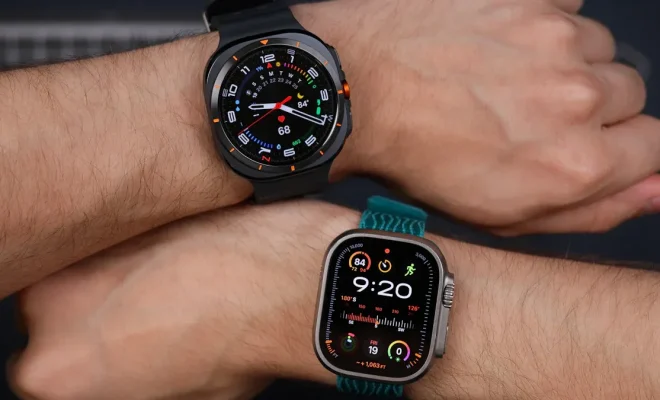
Today’s smartwatches are remarkably sophisticated devices. The Apple Watch Ultra 2, Samsung Galaxy Watch Ultra, and Google Pixel Watch 3 represent the cutting edge of consumer smartwatch technology, offering powerful processors, vibrant displays, comprehensive health monitoring, and seamless connectivity. These devices can function independently with cellular connections, run complex applications, and provide insights into virtually every aspect of our physical wellbeing.
The Future Trajectory
As we look toward the future, smartwatches continue to evolve in several key directions:
- Health Focus: Increasingly advanced health monitoring capabilities, potentially including blood glucose monitoring, blood pressure tracking, and more sophisticated sleep analysis.
- Battery Technology: Improvements in battery efficiency and charging technology to address one of the persistent challenges of smartwatches.
- Form Factor Innovation: Exploration of new designs, including flexible displays and modular components.
- AI Integration: Enhanced artificial intelligence capabilities for more personalized experiences and proactive health insights.
- Independence: Greater functionality independent of smartphones, with more powerful on-device processing and connectivity options.
The evolution of smartwatches reflects broader trends in technology, including miniaturization, sensor development, battery technology, and artificial intelligence. As these underlying technologies continue to advance, we can expect smartwatches to become even more capable and integral to our daily lives.
Key Features to Consider When Buying a Smartwatch
Choosing the right smartwatch involves evaluating numerous factors that will determine how well the device meets your needs. Here are the key features to consider when making your decision:
Compatibility
Perhaps the most fundamental consideration is whether a smartwatch works with your smartphone. While some smartwatches are designed to function as standalone devices, most work best when paired with a phone.
- For iPhone users: Apple Watches offer the most seamless integration, with some features exclusive to the Apple ecosystem. However, watches from Garmin, Fitbit, and some other manufacturers also work with iOS.
- For Android users: The options are more diverse, including devices from Samsung, Google, Garmin, and many others. Wear OS watches (from Google, Samsung, and others) typically offer the tightest integration with Android phones.
Design and Display
Smartwatches are both functional devices and fashion accessories, making their physical design an important consideration.
- Shape: Most smartwatches come with either rectangular displays (like the Apple Watch) or circular displays (like many Wear OS watches) that resemble traditional timepieces.
- Size: Watches come in various case sizes to accommodate different wrist sizes and preferences.
- Materials: Case materials range from aluminum and plastic in budget and mid-range options to stainless steel, titanium, and even ceramic in premium models.
- Display Technology: AMOLED and OLED displays offer vibrant colors and deep blacks, while transflective displays provide better visibility in direct sunlight.
- Always-On Display: Many watches offer an always-on display option, allowing you to see the time without raising your wrist, though this typically reduces battery life.
- Water Resistance: Water resistance ratings vary widely, from basic splash resistance to devices suitable for swimming and diving.
Health and Fitness Features
Health tracking has become a central function of smartwatches, with capabilities varying widely between models.
- Activity Tracking: Step counting, calorie tracking, and activity reminders are standard on most devices.
- Heart Rate Monitoring: Continuous heart rate monitoring is common, with varying degrees of accuracy.
- ECG/EKG: Some premium watches offer electrocardiogram capabilities to detect irregular heart rhythms.
- Blood Oxygen (SpO2) Monitoring: Many newer models can measure blood oxygen saturation levels.
- Sleep Tracking: Sleep duration and quality tracking, sometimes with detailed sleep stage analysis.
- Stress Tracking: Some watches monitor stress levels throughout the day.
- Women’s Health: Menstrual cycle tracking and fertility predictions.
- GPS: Built-in GPS for tracking outdoor activities without a phone.
- Workout Detection and Tracking: Automatic recognition of different types of exercise.
- Advanced Metrics: Some specialized fitness watches offer advanced metrics like VO2 max, training load, and recovery time.
Battery Life
Battery performance varies dramatically between smartwatch models and is often a trade-off with features and display quality.
- Standard Smartwatches: Devices like the Apple Watch typically need daily charging, offering 18-36 hours of use.
- Extended Battery Models: Some watches, particularly from brands like Garmin, can last days or even weeks between charges.
- Power Saving Modes: Many watches offer power-saving options that extend battery life by limiting functionality.
- Charging Method: Wireless charging has become common, though some devices still use proprietary connectors.
- Fast Charging: Some models offer quick charging capabilities, providing hours of use from just minutes of charging.
Smart Features and Connectivity
The “smart” in smartwatch comes from the additional capabilities beyond timekeeping and fitness tracking.
- Notifications: Almost all smartwatches display notifications from your smartphone.
- Cellular Connectivity: Some models offer LTE or 5G connectivity, allowing them to function independently from a smartphone.
- Wi-Fi: Direct Wi-Fi connectivity for larger updates and data sync.
- Bluetooth: For connecting to smartphones and wireless headphones.
- NFC: For contactless payments via services like Apple Pay, Google Pay, or Samsung Pay.
- Voice Assistants: Integration with Siri, Google Assistant, Bixby, or other voice assistants.
- Music Storage and Streaming: Onboard storage for music files or streaming capabilities through services like Spotify or Apple Music.
- Apps: Access to a wide range of applications, from productivity tools to games.
Operating System
The operating system determines the user experience, available apps, and overall functionality.
- watchOS: Exclusive to Apple Watches, offering tight integration with iOS and access to the Apple App Store.
- Wear OS: Google’s platform used by various manufacturers, including Samsung in its recent watches.
- Proprietary Systems: Many manufacturers, particularly those focused on fitness (like Garmin and Fitbit), use their own operating systems.
Price
Smartwatches span a wide price range, from budget options under $100 to premium models costing over $1,000.
- Budget Watches ($50-$150): Basic fitness tracking and notifications, often with proprietary operating systems and limited app support.
- Mid-Range Watches ($150-$350): More comprehensive features, better build quality, and broader app support.
- Premium Watches ($350-$800+): Advanced health features, premium materials, cellular connectivity, and the latest technology.
- Luxury Smartwatches ($800+): High-end materials, traditional watchmaking craftsmanship combined with smart features.
By carefully considering these factors in relation to your personal needs and preferences, you can identify the smartwatch that will serve you best. In the following sections, we’ll explore the specific models that excel in each of these areas.
Best Smartwatches of 2025
The smartwatch market in 2025 offers an impressive array of options across various price points and use cases. Here, we’ll highlight the standout models from major manufacturers, examining their strengths, weaknesses, and ideal users.
Apple Watches
Apple continues to dominate the smartwatch market with a lineup that balances innovation, design, and functionality.
Apple Watch Ultra 2
The Apple Watch Ultra 2 represents Apple’s most advanced wearable technology, aimed at outdoor enthusiasts and those seeking the ultimate in durability and features.
Key Specifications:
- 49mm titanium case
- Always-on Retina display with 2000 nits brightness
- Water resistant to 100 meters
- Up to 36 hours of battery life (72 hours in low power mode)
- Dual-frequency GPS
- Action button for quick access to functions
- Advanced health sensors including ECG, blood oxygen, and temperature
- Crash detection and emergency SOS
- Cellular connectivity
Pros:
- Exceptional durability with titanium construction and sapphire crystal display
- Outstanding display visibility in all conditions
- Comprehensive health and fitness tracking
- Robust battery life compared to standard Apple Watches
- Precision dual-frequency GPS tracking
- Extensive third-party app support
Cons:
- Premium price point
- Large size may not suit smaller wrists
- Limited to iPhone users
- Still requires more frequent charging than some specialized fitness watches
Ideal For: Outdoor adventurers, endurance athletes, and iPhone users who want the most comprehensive and durable Apple Watch experience.
Apple Watch Series 10
The Apple Watch Series 10 serves as Apple’s mainstream flagship, offering a balance of features, design, and accessibility.
Key Specifications:
- Available in 42mm and 46mm aluminum or stainless steel cases
- Always-on Retina display
- Water resistant to 50 meters
- Up to 18 hours of battery life
- ECG, blood oxygen, and temperature sensors
- Crash detection and fall detection
- Optional cellular connectivity
Pros:
- Sleek, refined design
- Comprehensive health tracking features
- Excellent app ecosystem
- Seamless integration with other Apple devices
- Available in multiple sizes and finishes
Cons:
- Battery life limited to about a day
- Exclusive to iPhone users
- Higher price point than competitors with similar features
Ideal For: iPhone users seeking a well-rounded smartwatch experience with excellent health tracking and smart features.
Apple Watch SE (3rd Generation)
The Apple Watch SE represents Apple’s entry-level option, making the Apple Watch experience more accessible without sacrificing core functionality.
Key Specifications:
- Available in 40mm and 44mm aluminum cases
- Retina display (not always-on)
- Water resistant to 50 meters
- Up to 18 hours of battery life
- Heart rate monitoring and basic health tracking
- Fall detection and emergency SOS
- Optional cellular connectivity
Pros:
- More affordable entry point to the Apple Watch ecosystem
- Same core experience as higher-end models
- Good performance and responsive interface
- Access to the same app ecosystem
Cons:
- Lacks advanced health sensors (ECG, blood oxygen, temperature)
- No always-on display
- Battery life limited to about a day
Ideal For: Budget-conscious iPhone users who want the essential Apple Watch experience, first-time smartwatch buyers, and younger users.
Samsung Watches
Samsung offers a compelling range of smartwatches that work particularly well with Samsung phones but are compatible with all Android devices.
Samsung Galaxy Watch Ultra
Introduced as a direct competitor to the Apple Watch Ultra, the Galaxy Watch Ultra combines premium materials with Samsung’s most advanced features.
Key Specifications:
- 47mm titanium case
- 1.5-inch Super AMOLED display with sapphire crystal
- Water resistant to 100 meters
- Up to 48 hours of battery life
- Advanced BioActive sensor for heart rate, ECG, and bioelectrical impedance analysis
- Dual-frequency GPS
- Wear OS powered by Samsung
- LTE connectivity
Pros:
- Robust construction with premium materials
- Excellent battery life
- Comprehensive health and fitness tracking
- Rotating bezel for intuitive navigation
- Works with all Android phones (best with Samsung)
Cons:
- Limited iOS compatibility
- Large size may not suit all wrists
- Premium price point
- App ecosystem not as robust as Apple’s
Ideal For: Android users, particularly Samsung phone owners, who want a premium, durable smartwatch with comprehensive features for outdoor activities.
Samsung Galaxy Watch 7
The Galaxy Watch 7 represents Samsung’s mainstream smartwatch, offering a balance of features and affordability.
Key Specifications:
- Available in 40mm and 44mm aluminum cases
- Super AMOLED display
- Water resistant to 50 meters
- Up to 40 hours of battery life
- BioActive sensor for heart rate, ECG, and bioelectrical impedance analysis
- Wear OS powered by Samsung
- Optional LTE connectivity
Pros:
- Sleek, traditional watch design with rotating bezel
- Good battery life
- Comprehensive health tracking
- Excellent display quality
- Competitive pricing
Cons:
- Some features work best with Samsung phones
- Limited iOS compatibility
- App selection not as extensive as Apple’s
Ideal For: Android users seeking a well-rounded smartwatch with good health tracking capabilities and battery life.
Samsung Galaxy Watch FE (Fan Edition)
The Galaxy Watch FE offers an entry point to Samsung’s smartwatch ecosystem with a focus on core features at an accessible price.
Key Specifications:
- 40mm aluminum case
- Super AMOLED display
- Water resistant to 50 meters
- Up to 30 hours of battery life
- Heart rate monitoring and basic health tracking
- Wear OS powered by Samsung
Pros:
- Affordable price point
- Maintains core Samsung smartwatch experience
- Good display quality
- Decent battery life
Cons:
- Lacks some advanced health features
- No LTE option
- Smaller app selection
- Best features require a Samsung phone
Ideal For: Budget-conscious Android users who want a Samsung smartwatch experience without paying for premium features.
Google Pixel Watches
Google has established itself as a significant player in the smartwatch market with its Pixel Watch line, combining Google’s software expertise with hardware designed to complement its Pixel phones.
Google Pixel Watch 3
The Pixel Watch 3 represents Google’s most refined wearable offering, combining elegant design with powerful features.
Key Specifications:
- Available in 41mm and 45mm cases
- AMOLED display with up to 2000 nits brightness
- Water resistant to 50 meters
- Up to 24 hours of battery life with always-on display
- Advanced health sensors including ECG and blood oxygen
- Fitbit integration for fitness tracking
- Wear OS with exclusive Google features
- Optional LTE connectivity
Pros:
- Elegant, minimalist design
- Pure Google experience with seamless integration
- Comprehensive Fitbit health and fitness features
- Excellent display quality
- Improved battery life over previous generations
Cons:
- Battery life still shorter than some competitors
- Limited customization options
- Premium pricing
- Some features work best with Pixel phones
Ideal For: Android users, especially Pixel phone owners, who want a pure Google experience with excellent health tracking through Fitbit integration.
Garmin Watches
Garmin focuses on specialized fitness and outdoor watches, offering exceptional battery life and advanced tracking features for serious athletes.
Garmin Fenix 8
The Fenix 8 continues Garmin’s tradition of creating premium multisport GPS watches with exceptional battery life and durability.
Key Specifications:
- Available in 43mm, 47mm, and 51mm sizes
- 1.3-inch or 1.4-inch transflective display with optional AMOLED
- Water resistant to 100 meters
- Up to 21 days battery life (9 days with AMOLED)
- Comprehensive fitness tracking with advanced metrics
- Multi-band GPS for precise location tracking
- Topographic maps and navigation features
- Music storage and Garmin Pay
Pros:
- Exceptional battery life
- Unmatched durability and reliability
- Comprehensive sports and outdoor tracking features
- Advanced training metrics and recovery insights
- Works with both Android and iOS
Cons:
- Premium price point
- Bulky design compared to mainstream smartwatches
- Less intuitive interface for smartwatch features
- Limited smart features compared to Apple or Samsung watches
Ideal For: Serious athletes, outdoor enthusiasts, and adventurers who prioritize battery life, durability, and specialized tracking features over smart capabilities.
Garmin Venu 3
The Venu 3 represents Garmin’s most mainstream smartwatch offering, balancing fitness features with smart capabilities.
Key Specifications:
- Available in 41mm and 45mm sizes
- AMOLED display
- Water resistant to 50 meters
- Up to 5 days battery life
- Comprehensive health tracking including ECG and blood oxygen
- Sleep coach and nap detection
- GPS and over 30 built-in sports apps
- Music storage and Garmin Pay
Pros:
- Excellent battery life for an AMOLED smartwatch
- Comprehensive health and fitness tracking
- Beautiful display
- Works with both Android and iOS
- Good balance of smart and fitness features
Cons:
- Limited third-party app support
- Not as feature-rich for smart capabilities
- Interface not as polished as Apple or Samsung
- Premium pricing
Ideal For: Active individuals who want a capable fitness watch with smartwatch features and excellent battery life.
Garmin Forerunner 265
The Forerunner 265 is designed specifically for runners and triathletes, offering specialized metrics in a lightweight package.
Key Specifications:
- Available in 42mm and 46mm sizes
- AMOLED display
- Water resistant to 50 meters
- Up to 13 days battery life (5 days with always-on display)
- Advanced running dynamics and training metrics
- Race predictor and adaptive training plans
- Morning report with HRV status
- Music storage and Garmin Pay
Pros:
- Purpose-built for runners with specialized metrics
- Excellent battery life
- Lightweight and comfortable for all-day wear
- Advanced training load and recovery insights
- Compatible with both Android and iOS
Cons:
- Focused primarily on running and triathlon
- Limited smartwatch features compared to mainstream options
- Premium pricing for a specialized device
- Less appealing for non-runners
Ideal For: Dedicated runners and triathletes who want specialized metrics and training insights in a watch with good battery life.
Other Notable Brands
Beyond the major players, several other manufacturers offer compelling smartwatches worth consideration.
COROS Pace 3
The COROS Pace 3 has gained recognition as one of the best values in the fitness watch market, offering premium features at a mid-range price.
Key Specifications:
- 42mm fiber-reinforced polymer case
- 1.2-inch always-on memory LCD
- Water resistant to 50 meters
- Up to 38 hours GPS battery life (up to 15 days in regular use)
- Dual-frequency GPS
- Comprehensive fitness tracking
- 4GB music storage
- Works with Android and iOS
Pros:
- Exceptional value for the features offered
- Impressive battery life
- Accurate GPS tracking with dual-frequency support
- Lightweight and comfortable
- Straightforward, intuitive interface
Cons:
- Limited smart features compared to mainstream smartwatches
- Plastic construction feels less premium
- Smaller third-party app ecosystem
- Limited customization options
Ideal For: Athletes and fitness enthusiasts looking for a capable training watch with excellent battery life at a competitive price.
Amazfit GTR 4
Amazfit has established itself as a value leader, offering feature-rich smartwatches at accessible price points.
Key Specifications:
- 46mm aluminum alloy case
- 1.43-inch AMOLED display
- Water resistant to 50 meters
- Up to 14 days battery life
- Over 150 sports modes
- Built-in GPS
- Blood oxygen and heart rate monitoring
- Works with Android and iOS
Pros:
- Exceptional battery life
- Premium design at an affordable price
- Comprehensive fitness tracking
- Good display quality
- Excellent value for money
Cons:
- Software experience not as refined as premium brands
- Limited third-party app support
- Less accurate sensors than premium offerings
- Limited smart features
Ideal For: Budget-conscious consumers who want an attractive smartwatch with good fitness features and exceptional battery life.
Fitbit Sense 2
Though now owned by Google, Fitbit maintains its distinct identity with a focus on health and wellness tracking.
Key Specifications:
- 40mm aluminum case
- AMOLED display
- Water resistant to 50 meters
- Up to 6 days battery life
- Comprehensive health tracking including ECG, EDA, and skin temperature
- Built-in GPS
- Fitbit Premium integration
- Works with Android and iOS
Pros:
- Excellent health monitoring features
- Good battery life
- Comfortable for 24/7 wear
- Strong sleep tracking capabilities
- Extensive fitness community
Cons:
- Limited smartwatch features
- Requires Fitbit Premium subscription for full functionality
- Basic design compared to premium smartwatches
- Limited third-party app support
Ideal For: Health-conscious individuals who prioritize wellness tracking over smart features and want a device with good battery life.
This overview covers the most significant smartwatches of 2025, but the market continues to evolve with new models and innovations. In the following sections, we’ll explore specialized smartwatches for specific use cases, delve deeper into operating systems, and examine the key features that differentiate these devices.
Specialized Smartwatches
While general-purpose smartwatches dominate the market, several specialized devices cater to specific needs, preferences, or activities. These watches excel in their particular niches, offering features and capabilities that mainstream devices may lack.
Fitness and Sports Watches
Fitness-focused smartwatches prioritize activity tracking, durability, and battery life over smart features. They’re designed for athletes and outdoor enthusiasts who need reliable performance in challenging conditions.
Garmin Enduro 3
The Garmin Enduro 3 is designed specifically for ultra-endurance athletes, offering exceptional battery life and specialized features for long-distance events.
Key Specifications:
- 51mm titanium case with Power Glass solar charging lens
- 1.4-inch always-on transflective display
- Water resistant to 100 meters
- Up to 90 days battery life in smartwatch mode (150 hours in GPS mode)
- Multi-band GPS with SatIQ technology
- Advanced endurance metrics including VO2 max, recovery time, and training load
- Built-in LED flashlight
- Topographic maps and navigation
Pros:
- Unmatched battery life, especially with solar charging
- Extremely durable construction
- Specialized features for ultra-endurance events
- Accurate tracking in challenging environments
- Comprehensive navigation capabilities
Cons:
- Very large size
- Premium price point
- Limited smartwatch functionality
- Specialized features may be overkill for casual users
Ideal For: Ultra-endurance athletes, trail runners, and outdoor adventurers who need exceptional battery life and durability.
COROS VERTIX 2
The COROS VERTIX 2 targets mountaineers and extreme outdoor enthusiasts with its robust construction and specialized features.
Key Specifications:
- 50.3mm titanium alloy case with sapphire glass
- 1.4-inch always-on color display
- Water resistant to 100 meters
- Up to 60 days battery life (140 hours in full GPS mode)
- Dual-frequency GPS with offline mapping
- Altitude monitoring and acclimatization assistant
- ECG and blood oxygen monitoring
- Touchscreen and physical button navigation
Pros:
- Exceptional durability for extreme conditions
- Outstanding battery life
- Comprehensive outdoor navigation features
- Specialized metrics for mountaineering and altitude training
- Good value compared to similar premium options
Cons:
- Bulky design
- Limited smartwatch features
- Smaller app ecosystem
- Significant investment for casual users
Ideal For: Mountaineers, ultra-endurance athletes, and outdoor adventurers who need exceptional durability and specialized features for extreme environments.
Polar Vantage V3
The Polar Vantage V3 focuses on scientific training approaches with advanced recovery metrics and detailed performance analysis.
Key Specifications:
- 47mm aluminum case
- 1.39-inch AMOLED display
- Water resistant to 50 meters
- Up to 8 days battery life (140 hours in training mode)
- Multi-band GPS
- Advanced training load and recovery tracking
- ECG, blood oxygen, and skin temperature sensors
- Offline maps and turn-by-turn navigation
Pros:
- Scientifically-backed training and recovery metrics
- Comprehensive health monitoring
- Good battery life, especially in training mode
- Detailed sleep and recovery analysis
- Clean, intuitive interface
Cons:
- Limited smartwatch features
- Smaller third-party app ecosystem
- Less intuitive for casual users
- Premium pricing
Ideal For: Serious athletes who value scientific training approaches and detailed recovery metrics over smart features.
Luxury Smartwatches
Luxury smartwatches blend traditional craftsmanship with modern technology, appealing to those who want smart functionality without sacrificing style or heritage.
TAG Heuer Connected Calibre E5
TAG Heuer continues to refine its approach to luxury smartwatches with the Connected Calibre E5, offering Swiss craftsmanship with modern features.
Key Specifications:
- 45mm stainless steel or titanium case
- 1.39-inch OLED display
- Water resistant to 50 meters
- Up to 2 days battery life
- Wear OS with TAG Heuer exclusive sports tracking
- Customizable TAG Heuer watch faces
- Heart rate monitoring and fitness tracking
- NFC for contactless payments
Pros:
- Premium materials and craftsmanship
- Traditional luxury watch aesthetics
- Brand heritage and prestige
- Good fitness tracking for a luxury smartwatch
- Exclusive TAG Heuer content
Cons:
- Very premium price point
- Battery life shorter than non-luxury alternatives
- Limited technical advantage over standard smartwatches
- Rapid obsolescence compared to traditional luxury watches
Ideal For: Luxury watch enthusiasts who want smart functionality without compromising on craftsmanship and brand heritage.
Montblanc Summit 3
Montblanc brings its legacy of German craftsmanship to the smartwatch space with the Summit 3.
Key Specifications:
- 42mm stainless steel case
- 1.28-inch AMOLED display
- Water resistant to 50 meters
- Up to 1 day battery life
- Wear OS with Montblanc exclusive features
- Handcrafted leather and rubber straps
- Heart rate monitoring and fitness tracking
- NFC for contactless payments
Pros:
- Elegant, traditional design
- Premium materials and craftsmanship
- Exclusive Montblanc watch faces and apps
- Good balance of smart and luxury features
- Works with both Android and iOS
Cons:
- Premium price point
- Short battery life
- Limited technical advantage over standard smartwatches
- Faster obsolescence than traditional luxury watches
Ideal For: Style-conscious professionals who want a premium smartwatch that doubles as a fashion accessory.
Louis Vuitton Tambour Horizon Light Up
Louis Vuitton brings its distinctive aesthetic to the smartwatch category with the Tambour Horizon Light Up.
Key Specifications:
- 44mm stainless steel case
- Custom curved AMOLED display with 24 LED lights
- Water resistant to 30 meters
- Up to 1 day battery life
- Custom operating system compatible with Android and iOS
- Exclusive Louis Vuitton watch faces and travel apps
- Basic fitness tracking
- Customizable LED animations
Pros:
- Unique, distinctive design
- Premium materials and craftsmanship
- Exclusive Louis Vuitton digital experience
- Compatibility with both Android and iOS
- Statement luxury piece
Cons:
- Extremely premium price point
- Limited functionality compared to mainstream smartwatches
- Basic fitness tracking only
- Short battery life
Ideal For: Fashion enthusiasts and luxury brand aficionados who value exclusivity and design over technical features.
Budget-Friendly Options
Not everyone needs or wants to spend hundreds of dollars on a smartwatch. Budget-friendly options offer core functionality at accessible price points.
Amazfit Bip 5
The Amazfit Bip 5 delivers exceptional value with a focus on essential features at an affordable price.
Key Specifications:
- 44mm plastic case
- 1.91-inch LCD display
- Water resistant to 50 meters
- Up to 10 days battery life
- Over 120 sports modes
- Built-in GPS
- Heart rate and blood oxygen monitoring
- Works with Android and iOS
Pros:
- Exceptional value for money
- Good battery life
- Large, easy-to-read display
- Comprehensive fitness tracking
- Simple, intuitive interface
Cons:
- Plastic construction feels less premium
- Basic display quality
- Limited smartwatch features
- Less accurate sensors than premium watches
Ideal For: Budget-conscious consumers who want essential smartwatch functionality without spending a lot of money.
Xiaomi Mi Band 8 Pro
The Xiaomi Mi Band 8 Pro blurs the line between fitness tracker and smartwatch, offering an impressive feature set at a budget price.
Key Specifications:
- 1.74-inch AMOLED display
- Water resistant to 50 meters
- Up to 14 days battery life
- Over 100 sports modes
- Built-in GPS
- Heart rate and blood oxygen monitoring
- Sleep tracking with REM detection
- Works with Android and iOS
Pros:
- Extremely affordable
- Excellent battery life
- Good display quality
- Comprehensive fitness tracking
- Slim, lightweight design
Cons:
- Limited smartwatch functionality
- Basic notification handling
- No third-party app support
- Less robust construction
Ideal For: First-time smartwatch users and those who want basic fitness tracking and notifications without significant investment.
Kospet Tank T3 Ultra 2
The Kospet Tank T3 Ultra 2 focuses on durability and battery life at an affordable price point.
Key Specifications:
- 49mm rugged polymer case
- 1.43-inch AMOLED display
- Water and shock resistant
- Up to 45 days battery life
- Over 70 sports modes
- Built-in GPS
- Heart rate and blood oxygen monitoring
- Bluetooth calling capability
Pros:
- Exceptional battery life
- Rugged, durable construction
- Affordable price point
- Good outdoor visibility
- Comprehensive fitness tracking
Cons:
- Bulky design
- Limited smart features
- Basic user interface
- No third-party app support
Ideal For: Outdoor enthusiasts on a budget who need a durable watch with long battery life for basic tracking and notifications.
Smartwatches for Kids
Specialized smartwatches for children offer safety features, limited communication capabilities, and age-appropriate functions.
Apple Watch SE with Family Setup
Apple’s Family Setup allows an Apple Watch to be used by a child without requiring their own iPhone.
Key Specifications:
- 40mm or 44mm aluminum case
- Retina display
- Water resistant to 50 meters
- Up to 18 hours battery life
- Activity tracking designed for kids
- Location tracking and geofencing
- Limited communication with approved contacts
- Emergency SOS and fall detection
Pros:
- Robust parental controls
- Reliable location tracking
- High-quality construction
- Good communication features
- Schooltime mode to limit distractions
Cons:
- Relatively expensive for a kids’ watch
- Requires cellular model
- Daily charging necessary
- Limited customization for children
Ideal For: Families already in the Apple ecosystem who want a high-quality, reliable smartwatch with strong safety features for their children.
Garmin Bounce
The Garmin Bounce is designed specifically for children with a focus on safety and activity tracking.
Key Specifications:
- 1.3-inch touchscreen display
- Water resistant to 50 meters
- Up to 5 days battery life
- Built-in GPS
- Two-way text and voice messaging
- Real-time location tracking
- Activity tracking and gamification
- Emergency assistance button
Pros:
- Good battery life
- Durable construction
- Comprehensive safety features
- No subscription required
- Engaging
Specialized Designs:
- Sport Loops: Velcro-fastening fabric bands for quick adjustment and secure fit.
- Solo Loops: Stretchable bands without clasps for a clean look and comfortable fit.
- NATO Straps: Military-style nylon bands that run underneath the watch for added security.
- Extreme Weather Bands: Specially designed for very cold or hot environments.
- Quick-Release Mechanisms: Bands with tool-free attachment systems for easy swapping.
Brand Compatibility:
- First-Party Options: Bands made by the watch manufacturer with guaranteed compatibility.
- Third-Party Alternatives: Often more affordable with greater variety but variable quality.
- Adapters: Allow the use of standard watch bands on proprietary connection systems.
- Universal Bands: Designed to fit multiple smartwatch brands and models.
Style Considerations:
- Width Options: Different band widths for various watch sizes and aesthetic preferences.
- Limited Editions: Seasonal and collaborative designs for unique styling.
- Customization: Some companies offer personalized bands with monograms or custom colors.
- Formal to Casual Transition: Collections that allow the same watch to transition between settings.
Charging Solutions
Charging accessories address one of the main pain points of smartwatch ownership—battery management and convenient recharging.
Charging Dock Types:
- Magnetic Chargers: Standard for most smartwatches, using magnetic alignment for proper connection.
- Wireless Charging Pads: Qi-compatible options for watches that support standard wireless charging.
- Multi-Device Chargers: Solutions that charge smartphones, earbuds, and watches simultaneously.
- Battery Banks: Portable charging solutions for travel and emergency power.
- Solar Chargers: Emerging solutions for outdoor enthusiasts to extend battery life.
Travel Considerations:
- Compact Designs: Folding or minimalist chargers designed for portability.
- Cable Management: Solutions for keeping charging cables organized while traveling.
- Universal Options: Chargers that work with multiple device types to reduce the number of accessories needed.
- Power Requirements: Adapters for international travel with varying outlet standards.
Notable Innovations:
- MagSafe Duo: Apple’s solution for simultaneously charging an Apple Watch and iPhone.
- Charging Cases: Protective cases with built-in battery packs for extended use.
- Bedside Mode Optimized: Chargers that position watches for optimal nightstand mode viewing.
- Fast-Charging Options: Third-party solutions that may offer quicker charging than standard accessories.
Protection and Maintenance
Protecting a smartwatch investment is important, especially for devices used in active or outdoor situations.
Screen Protection:
- Tempered Glass Protectors: Offer the best scratch and impact resistance.
- Film Protectors: Thinner and less visible but provide less impact protection.
- Edge-to-Edge Coverage: Designed to protect curved or edge displays.
- Anti-Glare Options: Reduce reflections for better outdoor visibility.
Cases and Bumpers:
- Full Cases: Complete protection that covers the watch body.
- Bumpers: Frame protection that shields the edges while leaving the screen accessible.
- Rugged Designs: Extra protection for extreme activities and environments.
- Decorative Options: Cases that add style while providing protection.
Cleaning and Maintenance Tools:
- Microfiber Cloths: For safely cleaning screens and bodies.
- Specialized Cleaning Solutions: Formulated to remove oils and bacteria without damaging coatings.
- Precision Tools: For cleaning small areas like speaker grilles and sensor windows.
- Band Cleaning Products: Specialized solutions for different band materials.
Specialized Add-Ons
Various accessories extend smartwatch functionality beyond the basic capabilities of the device.
Health and Fitness Enhancements:
- External Heart Rate Monitors: Chest straps that offer more accurate readings during intense activity.
- Running Pods: Foot-mounted sensors that provide advanced running metrics.
- Cycling Cadence Sensors: Additional tracking for detailed cycling analytics.
- Resistance Band Connections: Attachments that track strength training exercises.
Activity-Specific Accessories:
- Swimming Analytics Platforms: Swim-tracking add-ons that enhance data collection during water activities.
- Golf Accessories: Club-mounted sensors that pair with smartwatch golf applications.
- Action Sport Mounts: Secure attachments for extreme sports where wrist mounting isn’t ideal.
- Diving Extensions: Specialized underwater capabilities for compatible watches.
Convenience and Utility:
- Car Dashboard Mounts: Positioning watches for navigation while driving.
- Desk Stands: Elevating watches for better visibility at workstations.
- Armband Converters: Moving watches from wrist to upper arm for certain activities.
- Clip-On Attachments: Converting wrist wearables to clip-on devices for specific use cases.
The accessory ecosystem for smartwatches continues to grow and innovate, allowing users to customize and enhance their devices for virtually any situation or preference. While some accessories are purely aesthetic, others significantly extend functionality or protect the investment in these increasingly sophisticated and expensive devices.
Future Trends in Smartwatch Technology
The smartwatch industry continues to evolve rapidly, with several emerging technologies and trends poised to shape the next generation of devices. Understanding these future directions can help consumers make more informed purchasing decisions with an eye toward longevity and upcoming capabilities.
Advanced Health Monitoring
Health tracking capabilities will continue to expand, moving smartwatches closer to medical devices.
Emerging Sensors and Metrics:
- Non-Invasive Blood Glucose Monitoring: Several manufacturers are working on technology to monitor blood sugar levels without breaking the skin, a potential game-changer for diabetes management.
- Blood Pressure Monitoring: Continuous, cuff-less blood pressure tracking is in development, with early implementations already appearing in some devices.
- Hydration Monitoring: Advanced sensors to track fluid levels and provide hydration recommendations.
- Core Body Temperature: More accurate temperature sensing for fertility tracking, illness detection, and athletic performance optimization.
- Biomarker Detection: Sweat analysis for various health indicators and performance metrics.
Medical Integration:
- Prescription Features: Watches may increasingly include FDA-approved or cleared features that can be prescribed by physicians.
- Remote Patient Monitoring: Integration with healthcare systems for ongoing condition management.
- Clinical Trial Integration: Smartwatches as data collection tools in medical research.
- Preventative Alerts: More sophisticated algorithms to detect potential health issues before they become serious.
Regulatory Developments:
- Expanding Medical Certifications: More features receiving regulatory approval as medical devices.
- Data Privacy Frameworks: Enhanced protections for sensitive health information.
- Insurance Integration: Potential premium discounts or benefits for health monitoring.
Battery and Power Innovations
Power management remains a critical challenge that future technologies aim to address.
Emerging Battery Technologies:
- Solid-State Batteries: Higher energy density and safer operation than current lithium-ion cells.
- Graphene Batteries: Potentially offering faster charging and higher capacity.
- Flexible Batteries: Conforming to curved watch designs for better space utilization.
Energy Harvesting:
- Advanced Solar Integration: More efficient solar cells integrated into displays and cases.
- Kinetic Charging: Converting motion into electrical energy through improved mechanisms.
- Thermal Energy Harvesting: Capturing body heat and converting it to usable power.
- RF Energy Harvesting: Drawing power from ambient radio frequencies in the environment.
Power Management:
- AI-Optimized Usage: Artificial intelligence that learns usage patterns and optimizes power consumption.
- Component-Level Efficiency: More power-efficient processors, displays, and sensors.
- Adaptive Performance: Dynamic adjustment of capabilities based on battery state and user needs.
Display and Interaction Innovations
The way we view and interact with smartwatches is set to evolve with new display technologies and input methods.
Display Technologies:
- Micro-LED: Brighter, more efficient displays with better outdoor visibility.
- Color E-Ink: Low-power, always-on displays with improved color reproduction.
- Flexible and Foldable Displays: Expanding screen area without increasing device size.
- Projector Watches: Projecting information onto larger surfaces when needed.
Input Methods:
- Advanced Gesture Control: More sophisticated motion recognition for touchless control.
- Neural Interfaces: Direct control through neural signals without physical movement.
- Enhanced Voice Interaction: More contextual and capable voice assistants.
- Skin Input: Using the area around the watch as an extended touch surface.
Form Factor Evolution:
- Modular Designs: Swappable components for customized functionality.
- Expandable Displays: Screens that can physically extend when needed.
- Alternative Wear Locations: Devices designed for placement beyond the wrist.
- Invisible Integration: Components embedded in traditional watch designs with no visible technology.
Artificial Intelligence and Contextual Awareness
Smartwatches will become more proactive and personalized through advanced AI capabilities.
Predictive Features:
- Health Prediction: Anticipating potential issues based on trend analysis.
- Behavioral Suggestions: Recommending actions based on past patterns and current context.
- Preemptive Notifications: Alerting users to information before they need to ask.
- Adaptive Interfaces: Changing the watch interface based on time, location, and activity.
Contextual Understanding:
- Environmental Awareness: Responding to the user’s surroundings and situation.
- Social Context Recognition: Understanding social situations and adjusting accordingly.
- Activity Identification: More granular recognition of specific activities and movements.
- Emotional State Detection: Recognizing user stress, happiness, or other emotional states.
On-Device Processing:
- Edge AI: More processing happening on the watch rather than in the cloud.
- Privacy-Focused Learning: Personalization without sending sensitive data to servers.
- Reduced Latency: Faster responses through local processing.
- Offline Capability: Smart features that work without connectivity.
Connectivity and Ecosystem Integration
Future smartwatches will feature enhanced connectivity options and deeper integration with other devices and services.
Connectivity Advances:
- 5G Integration: Direct high-speed cellular connectivity.
- Ultra-Wideband: Precise positioning and device interaction.
- Advanced Bluetooth: More efficient and capable wireless connections.
- Satellite Connectivity: Emergency communication in remote areas without cellular coverage.
Ecosystem Expansion:
- Smart Home Control Hub: Centralized management of connected devices.
- Vehicle Integration: Deeper connection with automotive systems.
- Cross-Device Continuity: Seamless transition of tasks between watch, phone, and other devices.
- Environmental Mesh Networks: Watches communicating with surrounding smart infrastructure.
Enterprise and Specialized Applications:
- Corporate Security Integration: Authentication and access control.
- Industry-Specific Functions: Specialized tools for healthcare, logistics, manufacturing, and other sectors.
- Education Applications: Learning tools and classroom integration.
- Enhanced Accessibility: Features designed specifically for users with disabilities.
Sustainability Focus
Environmental concerns are driving changes in how smartwatches are designed, manufactured, and recycled.
Material Innovations:
- Recycled Components: Increasing use of recycled metals and plastics.
- Biodegradable Elements: Reducing environmental impact of discarded devices.
- Sustainable Sourcing: Ethical supply chains for materials and manufacturing.
- Repairability: Designs that facilitate component replacement and longer device life.
Energy Considerations:
- Carbon-Neutral Manufacturing: Reduced environmental impact in production.
- Efficient Charging: Minimizing energy waste during recharging.
- Second-Life Applications: Repurposing older devices for limited functions.
- Recycling Programs: Manufacturer initiatives for proper device disposal and material recovery.
The future of smartwatch technology promises devices that are more capable, personalized, and integrated into our daily lives while addressing current limitations in battery life, health monitoring accuracy, and environmental impact. As these technologies mature, the distinction between smartwatches and other wearable or medical devices may continue to blur, creating new categories of personal technology that extend human capabilities in previously unimagined ways.
Conclusion
As we’ve explored throughout this comprehensive guide, smartwatches have evolved from simple notification devices into sophisticated wearable computers that can monitor our health, track our activities, connect us to digital services, and even function as standalone communication devices. The market in 2025 offers an impressive range of options catering to diverse needs, preferences, and budgets.
Key Takeaways
Ecosystem Matters: Perhaps the most important factor in choosing a smartwatch is compatibility with your existing devices and services. Apple Watches work best with iPhones, while Android users have more options including Wear OS devices, Samsung watches, and various fitness-focused alternatives.
Health Features Continue to Advance: Health monitoring has become central to the smartwatch value proposition, with capabilities ranging from basic activity tracking to sophisticated sensors that can detect potential health issues. If health monitoring is a priority, look for devices with the specific sensors and features that address your particular concerns.
Battery Life Remains a Trade-off: Despite advances in battery technology, there remains a general trade-off between feature richness and battery longevity. Full-featured smartwatches typically require daily charging, while more specialized devices can last days or even weeks between charges.
Specialized Devices Excel in Specific Areas: While mainstream smartwatches like the Apple Watch and Samsung Galaxy Watch offer good all-around performance, specialized devices from brands like Garmin often provide superior experiences for specific activities or use cases.
Consider Long-term Support: The smartwatch market moves quickly, with new models and features introduced regularly. Consider the manufacturer’s track record for software updates and long-term support when making your investment.
Making Your Selection
When choosing the perfect smartwatch, consider these essential questions:
- What’s your primary use case? Are you mainly interested in health tracking, notifications, sports performance, or fashion?
- Which smartphone do you use? Your phone choice may limit your smartwatch options or make certain models more advantageous.
- How important is battery life? Be realistic about your willingness to charge frequently versus your need for advanced features.
- What’s your budget? Smartwatch prices range from under $100 to well over $1,000, with significant feature and quality differences across price points.
- Do you have specific health concerns? If monitoring particular health metrics is important, verify that your chosen watch includes the necessary sensors and features.
- What’s your lifestyle and aesthetic preference? Consider size, durability, water resistance, and design as they relate to your daily activities and style.
The Future Outlook
As we look toward the future, smartwatches will likely continue their evolution into even more capable health monitors, more independent computing devices, and more personalized assistants. Advances in battery technology, health sensors, display quality, and artificial intelligence will drive this progression, potentially making these devices even more central to our digital lives.
The industry continues to move in several clear directions:
- Health Integration: Deeper connections with healthcare systems and more sophisticated monitoring capabilities.
- Independence: Reduced reliance on companion smartphones for core functionality.
- Personalization: More adaptive experiences based on individual patterns and preferences.
- Sustainability: Greater focus on environmental impact and device longevity.
Whether you’re purchasing your first smartwatch or upgrading from an earlier model, today’s market offers compelling options at every price point. By understanding the key features, platforms, and trade-offs discussed in this guide, you can make an informed decision that best meets your needs both today and in the foreseeable future.
The perfect smartwatch balances technology with usability, features with battery life, and capabilities with cost. With the information provided in this comprehensive guide, you’re now equipped to navigate the complex smartwatch landscape and find the device that best complements your digital lifestyle.
Frequently Asked Questions
Q: Do I need a smartphone to use a smartwatch?
A: Most smartwatches are designed to work with a smartphone, though the degree of dependency varies. Apple Watches require an iPhone for setup and full functionality. Wear OS watches work best with Android phones but offer limited functionality with iPhones. Some watches with cellular capability can handle many functions independently, but still typically require a phone for setup and updates.
Q: How accurate are the health monitoring features on smartwatches?
A: Accuracy varies by device and feature. Heart rate monitoring is generally reliable during rest but may be less accurate during intense activity. Sleep tracking provides useful patterns but may not match the precision of medical sleep studies. Features like ECG and blood oxygen monitoring can provide meaningful data but are not replacements for medical-grade equipment. Always consult healthcare professionals for medical concerns rather than relying solely on smartwatch data.
Q: Can I swim with my smartwatch?
A: Many modern smartwatches are water-resistant enough for swimming, but specifications vary significantly. Devices with 50m water resistance are typically suitable for pool swimming, while those with 100m ratings may be used for open water swimming and some diving. Always check the manufacturer’s specific recommendations, as water resistance can diminish over time and may not cover all water activities.
Q: How long do smartwatches typically last before needing replacement?
A: The physical hardware of quality smartwatches can last 3-5 years or more. However, software support typically becomes the limiting factor. Apple typically provides watchOS updates for about 5 years, while Android manufacturers vary in their commitment to long-term support. Battery degradation is also a consideration, with most smartwatch batteries maintaining good performance for 2-3 years before noticeable capacity reduction.
Q: Are expensive smartwatches worth the premium over budget options?
A: Premium smartwatches generally offer better build quality, more advanced sensors, faster performance, and longer software support. Whether these advantages justify the higher price depends on your specific needs. For basic notification handling and step counting, budget options may be sufficient. For comprehensive health monitoring, advanced sports tracking, or premium materials, higher-end models often deliver meaningful benefits that justify their cost.
Q: Can I make phone calls from my smartwatch?
A: Many smartwatches allow you to make and receive calls, but the implementation varies. All modern Apple Watches, including non-cellular models, can handle calls when connected to your iPhone via Bluetooth. Cellular-enabled watches from Apple, Samsung, Google, and others can make calls independently using their own cellular connection. Call quality is typically adequate for short conversations but may not match the clarity of smartphone calls.
Q: How do I choose the right size smartwatch for my wrist?
A: Most smartwatch models come in multiple size options. To find the right fit, measure your wrist circumference with a flexible measuring tape. Generally, wrists under 170mm (6.7 inches) may be better suited to smaller watch sizes (40-42mm), while larger wrists can accommodate bigger cases (44-50mm). Many retailers allow you to try on different sizes, which is the best way to determine your preference for both comfort and screen readability.
Q: Are smartwatches secure?
A: Modern smartwatches incorporate various security features, including encryption, secure elements for payment information, and authentication requirements. However, like any connected device, they aren’t immune to potential vulnerabilities. To maximize security, keep your watch’s software updated, use strong passwords for associated accounts, enable wrist detection features, and be cautious about which third-party apps you install.
Q: Can smartwatches replace fitness trackers?
A: For most users, modern smartwatches can effectively replace dedicated fitness trackers, offering similar or superior tracking capabilities along with additional smart features. However, specialized fitness trackers may still hold advantages in battery life (often 7+ days versus 1-2 days for full smartwatches) and may be more comfortable for 24/7 wear due to their lighter, slimmer designs. For serious athletes in specific sports, dedicated sport watches may still offer more specialized metrics.
Q: Do smartwatches work with both Android and iPhone?
A: Compatibility varies by watch platform. Apple Watches work exclusively with iPhones. Wear OS watches work best with Android but offer limited functionality with iPhones. Samsung watches are optimized for Samsung phones but work with all Android devices and offer basic functionality with iPhones. Fitness-focused watches from Garmin, Fitbit, and others typically work well with both Android and iOS, though some features may be platform-specific.



