Ultimate 2025 Guide: Best Small & Major Home Appliances
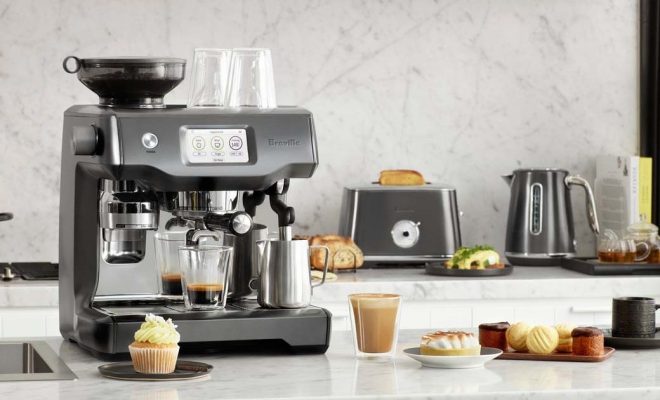
Introduction
In today’s technology-driven world, home appliances have evolved from simple mechanical devices to sophisticated smart systems that enhance our daily lives. Whether you’re renovating your home, replacing old appliances, or simply looking to upgrade your kitchen gadgets, navigating the vast landscape of appliance options can be overwhelming.
This comprehensive guide aims to simplify your decision-making process by providing in-depth information on both major and small appliances. We’ll explore the latest innovations, energy-efficient technologies, top brands, and essential features to consider when making your purchases. From refrigerators and washing machines to coffee makers and air fryers, this guide covers everything you need to know to make informed choices for your home in 2025.
Part 1: Major Appliances
Major appliances represent significant investments for your home, often costing thousands of dollars and expected to last for many years. Making the right choice is crucial not only for your budget but also for your daily comfort and convenience.
Refrigerators
Latest Trends and Technologies
The modern refrigerator has transformed from a simple cooling box to an intelligent hub for food preservation and kitchen management. In 2025, refrigerators feature advanced technology that extends food freshness while offering unprecedented convenience.
Dual and Triple Cooling Systems: High-end refrigerators now feature separate cooling systems for the refrigerator and freezer compartments, maintaining optimal humidity levels in each section to keep food fresher longer. Some models even include a third zone for specialty items.
Advanced Air Purification: Taking a cue from NASA technology, premium models like those from Sub-Zero incorporate air purification systems that remove ethylene gas (which accelerates food spoilage) and bacteria, extending the shelf life of produce and reducing food waste.
Smart Features: Today’s refrigerators connect to your home network, allowing you to check the contents remotely, receive expiration notifications, and even create shopping lists based on what’s running low. Many models feature built-in touchscreens that function as family communication centers.
Energy Efficiency: The focus on reducing environmental impact has led to significantly more efficient refrigerators, with Energy Star models using up to 40% less energy than conventional units from just a decade ago.
Top Brands and Models
Sub-Zero: Known for unparalleled food preservation and build quality, Sub-Zero refrigerators feature dual compressors and NASA-inspired air purification systems. Their Classic Series 48-inch refrigerator represents the pinnacle of luxury cooling appliances.
Samsung: Offering innovative features like Family Hub smart screens and FlexZone compartments that can switch between refrigerator and freezer temperatures, Samsung has established itself as a technology leader.
LG: LG’s InstaView Door-in-Door refrigerators allow you to see inside without opening the door, and their LinearCooling technology maintains consistent temperatures to extend food freshness.
GE Profile: Combining accessible pricing with advanced features, GE Profile offers models with hands-free autofill water dispensers and precise temperature control systems.
Bosch: Known for sleek European design and quiet operation, Bosch refrigerators feature VitaFresh Pro technology that keeps food fresh up to three times longer.
What to Consider When Buying
Size and Capacity: Measure your space carefully, allowing for proper ventilation (at least a few inches on each side). For capacity, plan for 4-6 cubic feet per person in your household.
Configuration: Choose between side-by-side, French door, bottom freezer, or top freezer designs based on your kitchen layout and preferences.
Energy Efficiency: Look for the Energy Star label and compare the annual energy usage on the EnergyGuide label to minimize operating costs.
Cooling Technology: Dual compressor systems maintain optimal humidity levels in separate compartments, preventing odor transfer and keeping food fresher longer.
Budget: While basic models start around $700, feature-rich refrigerators can exceed $3,000. Premium built-in models from brands like Sub-Zero can cost well over $10,000.
Ranges and Ovens
Latest Trends and Technologies
Cooking appliances have seen remarkable innovation in recent years, combining professional-grade performance with smart functionality that makes complex cooking techniques accessible to home chefs.
Dual-Fuel Technology: Combining gas burners with electric ovens, dual-fuel ranges offer the precise temperature control of gas cooking with the even heating of electric ovens.
Induction Cooking: Induction technology continues to gain popularity for its energy efficiency, safety, and precise temperature control. These cooktops heat cookware directly through magnetic fields rather than using a flame or heating element.
Steam Ovens: Steam cooking preserves nutrients and moisture while cooking food evenly. Many premium ranges now include steam cooking functions or separate steam ovens.
Smart Controls: WiFi-connected ranges allow remote monitoring and control through smartphone apps, offering features like recipe guidance, temperature alerts, and automatic shutoff.
Air Fry Functionality: Many new ranges incorporate air fry capabilities, eliminating the need for a separate countertop appliance.
Top Brands and Models
Wolf: Wolf ranges, particularly their Dual Fuel models, are favored by serious home chefs for their professional performance, legendary durability, and iconic red knobs.
GE Profile: Offering advanced features at more accessible price points, GE Profile ranges include models with built-in air fryers, precision cooking modes, and smart connectivity.
Samsung: Known for innovative features like their Virtual Flame technology on induction cooktops and Flex Duo ovens that can be divided into two separate temperature zones.
Bosch: Combines sleek European design with precision engineering, offering benchmark series ranges with HomeConnect smart functionality.
KitchenAid: Provides professional-grade features at mid-range prices, with many models featuring convection technology and specialized baking functions.
What to Consider When Buying
Fuel Type: Choose between gas, electric, dual-fuel, or induction based on your cooking preferences and home’s infrastructure.
Size: Standard ranges are 30 inches wide, but professional-style models are available in 36-inch, 48-inch, and even 60-inch widths for larger kitchens.
Cooking Features: Consider convection capabilities, temperature probes, specialized cooking modes, and self-cleaning functions.
Ventilation Requirements: Professional-style ranges often require more powerful ventilation systems, which may mean additional installation costs.
Budget: Entry-level ranges start around $600, while high-end professional models can cost $8,000-$10,000 or more.
Dishwashers
Latest Trends and Technologies
Modern dishwashers combine water and energy efficiency with powerful cleaning performance and whisper-quiet operation.
Ultra-Quiet Operation: Premium dishwashers now operate at noise levels as low as 38 decibels—quieter than a library. This is achieved through improved insulation and advanced motor technology.
Third Racks: Most mid-to-high-end dishwashers now feature a third rack at the top for flatware and small items, increasing capacity and loading flexibility.
Specialized Wash Zones: Many models include features like bottle jets for cleaning tall items or concentrated wash zones for heavily soiled dishes.
Smart Features: WiFi-connected dishwashers allow remote start, cycle monitoring, and even automatic detergent ordering when supplies run low.
Water and Energy Efficiency: The most efficient models use less than 2 gallons of water per cycle while still delivering superior cleaning performance.
Top Brands and Models
Bosch: Consistently rated among the best for reliability and cleaning performance, Bosch dishwashers are known for their quiet operation and excellent drying capabilities, particularly their 800 Series models.
Miele: The ultimate in dishwasher longevity and performance, Miele dishwashers are built to last 20+ years and feature innovative technologies like AutoDos with PowerDisk for automatic detergent dispensing.
KitchenAid: Offers excellent cleaning performance with features like the ProWash cycle that adjusts in real-time based on soil levels and the ProDry system for superior drying.
Cove: Sub-Zero’s dishwasher brand delivers customizable wash cycles, adjustable racks, and ultra-quiet operation designed for 20+ years of daily use.
GE Profile: Provides innovative features like Bottle Jets for cleaning tall items and the Deep Clean silverware jets that remove stubborn food particles.
What to Consider When Buying
Noise Level: For open floor plans, look for dishwashers rated at 44 decibels or lower. Premium models operate at 38-40 decibels.
Capacity and Rack Design: Consider the number of place settings (typically 12-16) and look for adjustable racks and tines that accommodate various dish sizes.
Drying Performance: Condensation drying is energy efficient but may leave plastic items wet. Models with fans or heated drying perform better with plastics.
Water and Energy Efficiency: Look for the Energy Star label and compare annual operating costs on the EnergyGuide label.
Budget: Basic dishwashers start around $300, while premium models with advanced features can cost $1,200-$2,500.
Washing Machines
Latest Trends and Technologies
Laundry technology has evolved significantly, with today’s washers offering superior cleaning performance while using less water and energy.
High-Efficiency Design: Front-loading washers typically use 40-60% less water and 30-50% less energy than traditional top-loaders, while also being gentler on clothes.
Advanced Cleaning Technologies: Features like steam cycles, specialized stain removal, and sanitizing capabilities remove more dirt and bacteria while protecting fabrics.
Smart Dosing: Some premium models automatically dispense the right amount of detergent based on load size and soil level, saving money and preventing detergent waste.
Smart Connectivity: WiFi-enabled washers allow remote monitoring and control, with some models capable of automatically selecting the optimal cycle based on fabric type.
Larger Capacities: Many modern washers can handle 5-6 cubic feet of laundry, allowing you to wash bulky items like comforters or reduce the number of loads needed.
Top Brands and Models
LG: Known for reliability and innovation, LG’s front-loading washers feature TurboWash technology that shortens cycle times and AI direct drive motors that optimize washing motion for different fabrics.
Samsung: Offers innovative features like AddWash doors that let you add forgotten items mid-cycle and FlexWash systems with two separate washers in one unit.
Whirlpool: Combines reliable performance with accessible pricing, featuring technologies like Load & Go dispensers that hold detergent for multiple loads.
Electrolux: Known for superior stain removal capabilities, with features like SmartBoost that premixes detergent and water for more effective cleaning.
Speed Queen: The commercial-grade construction of Speed Queen washers offers unmatched durability, with some models guaranteed to last 25 years.
What to Consider When Buying
Front-Load vs. Top-Load: Front-loaders generally offer better cleaning performance and efficiency but may require more maintenance to prevent odors. Top-loaders are easier to load and unload but typically use more water.
Capacity: For a family of four, look for at least a 4.5 cubic foot capacity to reduce the number of loads needed.
Cycles and Options: Consider specialized cycles for different fabric types, stain treatments, and sanitizing capabilities based on your household needs.
Space Considerations: Measure carefully to ensure your new washer will fit, and check door clearance for front-loading models.
Budget: Basic washers start around $500, while feature-rich models can cost $1,200-$1,800 or more.
Dryers
Latest Trends and Technologies
Modern dryers combine efficient performance with fabric care technologies that prevent damage while ensuring clothes come out perfectly dry.
Heat Pump Technology: Heat pump dryers use up to 50% less energy than conventional models by recycling heat rather than venting it outside. They’re gentle on clothes but typically have longer cycle times.
Moisture Sensors: Advanced moisture-sensing systems automatically stop the cycle when clothes are dry, preventing energy waste and fabric damage from over-drying.
Steam Refresh: Many dryers now include steam cycles that remove wrinkles and odors without full washing, ideal for lightly worn items.
Smart Features: WiFi-connected dryers allow remote monitoring and can automatically select the optimal drying cycle based on data from paired washers.
Wrinkle Prevention: Extended tumbling after cycles complete keeps clothes wrinkle-free if you can’t unload them immediately.
Top Brands and Models
LG: Features like TurboSteam for wrinkle reduction and Flow Sense duct clogging detection make LG dryers both effective and efficient.
Samsung: Offers innovative features like Multi-Steam technology for wrinkle and odor removal and Smart Care for easy troubleshooting via smartphone.
Whirlpool: Known for reliable performance and features like Advanced Moisture Sensing that helps prevent overdrying and fabric damage.
Electrolux: Perfect Steam technology removes wrinkles and refreshes fabrics, while the Instant Refresh cycle quickly removes odors from lightly worn items.
Bosch: Heat pump dryers use up to 50% less energy than conventional models, with condensation drying that doesn’t require external venting.
What to Consider When Buying
Gas vs. Electric: Electric dryers cost less initially but may cost more to operate. Gas dryers typically dry faster and cost less per load but require a gas line connection.
Vented vs. Ventless: Traditional dryers require external venting, while condensation and heat pump models can be installed anywhere but generally have longer cycle times.
Capacity: Your dryer should have approximately twice the capacity of your washer to allow proper air circulation for efficient drying.
Moisture Sensing: Look for models with multiple moisture sensors for more accurate drying and better fabric protection.
Budget: Basic dryers start around $500, with high-end models costing $1,200-$1,800 or more.
Part 2: Small Appliances
While major appliances represent significant investments, small appliances offer opportunities to enhance your daily routine with specialized functions and convenience. The right selection of small appliances can dramatically improve your cooking, cleaning, and lifestyle experiences.
Coffee Makers and Espresso Machines
Latest Trends and Technologies
Coffee preparation has become increasingly sophisticated, with home machines now capable of producing cafe-quality beverages.
Smart Brewing: WiFi and Bluetooth-connected coffee makers allow you to schedule brewing times, adjust settings remotely, and even integrate with smart home systems to automate your morning routine.
Precision Temperature Control: Advanced machines maintain optimal brewing temperatures (195-205°F) throughout the brewing process for perfect extraction.
Built-in Grinding: Many high-end machines include integrated conical burr grinders that grind beans fresh for each brew, maximizing flavor and aroma.
Specialized Brewing Methods: From pour-over to cold brew, modern coffee makers offer various brewing techniques previously available only in specialty cafes.
Self-Cleaning Functions: Automated cleaning and descaling programs make maintenance easier, extending machine life and ensuring consistent flavor.
Top Brands and Models
Breville: The Precision Brewer offers customizable temperature and flow rate for perfect drip coffee, while their espresso machines like the Barista Express combine commercial-grade features with home-friendly designs.
Technivorm Moccamaster: Handmade in the Netherlands, these coffee makers are prized for their precise temperature control and copper heating elements that ensure perfect extraction.
Jura: Fully automatic espresso machines that handle everything from grinding to milk frothing with one-touch operation and self-cleaning functions.
De’Longhi: Offers a wide range of options from basic espresso machines to full super-automatic models that produce barista-quality beverages with minimal effort.
Fellow: Design-focused products like the Ode Brew Grinder and Stagg EKG kettle bring precision and style to manual brewing methods.
What to Consider When Buying
Brewing Method: Determine whether you prefer drip coffee, espresso, pour-over, French press, or versatile machines that offer multiple options.
Capacity: Consider how many cups you typically need to brew at once, with options ranging from single-serve to 12+ cup carafe models.
Convenience Features: Programmable timers, automatic shut-off, and built-in water filtration can enhance your daily coffee experience.
Maintenance Requirements: Some machines require more regular cleaning and descaling than others. Super-automatic espresso machines typically offer self-cleaning programs.
Budget: Basic drip coffee makers start around $30, while high-end espresso machines can cost $2,000 or more.
Blenders and Food Processors
Latest Trends and Technologies
Modern blending and food processing appliances combine powerful performance with versatile functionality to handle various kitchen tasks.
High-Performance Motors: Commercial-grade motors with 1,200+ watts of power can pulverize even the toughest ingredients, including nuts, seeds, and frozen fruits.
Pre-Programmed Settings: Specialized programs for smoothies, soups, nut butters, and other common preparations take the guesswork out of blending times and speeds.
Vacuum Blending: Some advanced blenders can remove air before blending, reducing oxidation and producing smoother, brighter-colored smoothies with longer shelf life.
Multi-Function Capabilities: Many models serve as both blenders and food processors, with interchangeable blades and attachments for different tasks.
Self-Cleaning Functions: High-speed cleaning cycles with a drop of dish soap and water make cleanup quicker and easier.
Top Brands and Models
Vitamix: Known for commercial-grade durability and performance, Vitamix blenders feature powerful motors and aircraft-grade stainless steel blades that can even heat soups through friction.
Breville: The Super Q blender offers noise suppression technology and vacuum blending capabilities, while their food processors feature adjustable slicing discs and feed chutes wide enough for whole fruits.
Ninja: Provides excellent value with multi-function systems like the Foodi Power Blender that combines blending, food processing, and dough mixing capabilities in one unit.
Cuisinart: Offers reliable food processors with multiple cutting discs and blade attachments for various preparation tasks, from slicing to dough kneading.
KitchenAid: Known for their iconic stand mixers with blender and food processor attachments that leverage the powerful motor base for multiple functions.
What to Consider When Buying
Power and Performance: Look for at least 600 watts for blenders and 700 watts for food processors to handle tough ingredients.
Capacity: Consider both the working capacity (typically smaller than the total container size) and whether you need different-sized containers for various tasks.
Controls and Settings: Variable speed controls offer more precision than basic high/low/pulse options, while pre-programmed settings simplify common tasks.
Durability: Glass containers are more scratch-resistant but heavier, while BPA-free plastic is lighter and less likely to shatter if dropped.
Budget: Basic blenders start around $40, while high-performance models can cost $400-$700. Food processors range from $50 for basic models to $400+ for professional-grade units.
Air Fryers and Multi-Cookers
Latest Trends and Technologies
These versatile appliances have revolutionized home cooking by making complex cooking techniques simple and accessible.
Combination Functionality: Modern air fryers often combine multiple cooking methods, including air frying, roasting, baking, dehydrating, and even pressure cooking in single units.
Larger Capacities: Newer models feature expanded cooking chambers that can accommodate family-sized portions or even whole chickens.
Smart Controls: WiFi-connected models allow remote monitoring and control, with some offering guided cooking programs that adjust time and temperature automatically.
Dual-Zone Cooking: Advanced air fryers feature separate cooking zones with independent temperature and time controls, allowing you to prepare different foods simultaneously.
Enhanced Circulation Technology: Improved fan and heating element designs deliver more even cooking results without the need for flipping or rotating food.
Top Brands and Models
Ninja: The Foodi series combines air frying with pressure cooking and other functions in versatile multi-cookers that save counter space while expanding cooking capabilities.
Instant Pot: Known for their pressure cookers, Instant Pot now offers models like the Duo Crisp that add air frying capabilities to their multi-function design.
Breville: The Smart Oven Air Fryer Pro combines convection baking, air frying, and dehydrating in a countertop oven large enough to roast a turkey.
Philips: The originators of air fryer technology continue to innovate with models featuring Fat Removal technology and digital temperature controls.
Cosori: Offers excellent value with feature-rich air fryers that include shake reminders, preheat functions, and dishwasher-safe baskets.
What to Consider When Buying
Cooking Capacity: Consider the usable cooking space rather than overall dimensions, with sizes typically ranging from 2-8 quarts for air fryers.
Versatility: Determine whether you want a dedicated air fryer or a multi-function appliance that combines several cooking methods.
Ease of Cleaning: Look for dishwasher-safe components and non-stick surfaces that simplify cleanup.
Controls and Programs: Digital controls with pre-programmed settings for common foods take the guesswork out of cooking times and temperatures.
Budget: Basic air fryers start around $60, while feature-rich models and multi-cookers can cost $150-$350.
Vacuum Cleaners and Robot Vacuums
Latest Trends and Technologies
Cleaning technology has evolved dramatically, with modern vacuums offering unprecedented suction power, filtration, and automation.
Smart Navigation: Advanced robot vacuums use LIDAR, cameras, and AI to create detailed home maps, plan efficient cleaning routes, and avoid obstacles.
Self-Emptying Capabilities: Many robot vacuums now include base stations that automatically empty the dust bin, allowing for weeks of hands-free operation.
Multi-Surface Cleaning: Adaptive suction and brush roll technology automatically adjust to different floor types, from hardwood to high-pile carpet.
HEPA Filtration: Advanced filtration systems capture 99.97% of particles as small as 0.3 microns, making vacuums valuable tools for allergy sufferers.
Battery Technology: Improved lithium-ion batteries provide longer runtime (up to 120 minutes) and fade-free power until fully discharged.
Top Brands and Models
Dyson: Known for their powerful cyclonic suction technology and cordless stick vacuums like the V15 Detect, which features a laser that reveals invisible dust.
Shark: Offers excellent value with models featuring Anti-Allergen Complete Seal Technology and lift-away canisters for versatile cleaning.
Miele: German-engineered canister vacuums known for exceptional build quality and filtration, with some models rated to last 20+ years.
Roomba (iRobot): The pioneers of robot vacuums continue to innovate with models like the j7+ that include obstacle avoidance, self-emptying, and smart mapping capabilities.
Roborock: Combines robot vacuuming and mopping functions in models like the S8 MaxV Ultra, which features auto-emptying, self-cleaning, and AI-powered navigation.
What to Consider When Buying
Vacuum Type: Choose between upright, canister, stick, handheld, or robot models based on your home layout and cleaning preferences.
Filtration System: HEPA filters are essential for allergy sufferers, while bagless models offer cost savings but may release more dust during emptying.
Battery Life: For cordless models, consider the runtime (typically 20-120 minutes) and whether the battery is removable for extended cleaning sessions.
Noise Level: Vacuum noise ranges from approximately 65-85 decibels, with robot vacuums generally operating at the lower end of the spectrum.
Budget: Basic vacuums start around $100, premium cordless models cost $400-$800, and advanced robot vacuums with self-emptying bases range from $500-$1,400.
Part 3: Smart Home Integration and Energy Efficiency
The modern home appliance landscape is increasingly defined by connectivity and sustainability, with smart features and energy efficiency becoming standard considerations rather than luxury add-ons.
Smart Home Ecosystem Integration
Major Platforms and Compatibility
Home Connectivity Alliance (HCA): This industry coalition of 17 global brands is developing standards for interoperability between long-life appliances from different manufacturers, making it easier to create a cohesive smart home.
Voice Assistants: Amazon Alexa, Google Assistant, and Apple HomeKit compatibility allows for voice control of appliances and integration into automated routines.
Smart Home Hubs: Platforms like Samsung SmartThings and Hubitat enable centralized control of appliances from different manufacturers through a single interface.
Matter Standard: This new protocol aims to unify smart home devices across brands and ecosystems, promising simpler setup and broader compatibility.
Benefits of Connected Appliances
Remote Monitoring and Control: Check the status of appliances and adjust settings from anywhere using smartphone apps.
Automated Routines: Program sequences like turning off all appliances when you leave home or having coffee start brewing when your alarm goes off.
Diagnostics and Maintenance: Receive alerts about potential issues before they become major problems, and in some cases, appliances can self-diagnose and communicate specific repair needs.
Energy Management: Smart appliances can operate during off-peak hours to reduce utility costs and environmental impact.
Software Updates: Connected appliances can receive new features and improvements through firmware updates, extending their useful life.
Energy Efficiency and Sustainability
Understanding Energy Ratings
Energy Star: This EPA program certifies appliances that meet strict efficiency guidelines, typically 10-20% more efficient than the minimum federal standard.
EnergyGuide Labels: These yellow labels provide estimated annual operating costs and energy consumption, allowing for easy comparison between models.
EPEAT: This global rating system evaluates electronic products based on their environmental impact throughout their lifecycle.
Technologies Driving Efficiency
Inverter Motors: Used in refrigerators, washing machines, and air conditioners, these motors adjust their speed based on demand rather than cycling on and off, reducing energy use and noise.
Heat Pump Technology: Applied to dryers and water heaters, this technology recycles heat rather than generating it anew, dramatically reducing energy consumption.
Smart Grid Integration: Appliances capable of communicating with utility companies can automatically shift energy-intensive operations to off-peak hours.
Advanced Insulation: Improved insulation materials in refrigerators and ovens reduce energy loss and improve performance.
Return on Investment Considerations
Upfront Cost vs. Lifetime Savings: Energy-efficient appliances typically cost more initially but save money over their lifespan through reduced utility bills.
Rebates and Incentives: Many utility companies and government programs offer rebates for energy-efficient appliance purchases, sometimes offsetting a significant portion of the cost.
Environmental Impact: Beyond financial savings, energy-efficient appliances reduce your carbon footprint and resource consumption.
Part 4: Buying Strategies and Maintenance Tips
Making informed purchasing decisions and properly maintaining your appliances can significantly extend their lifespan and improve their performance.
When and Where to Buy
Timing Your Purchase
Holiday Sales: Major retailers offer significant discounts during Black Friday, Labor Day, and Presidents Day sales events.
End of Model Year: As manufacturers release new models (typically in September and October), previous year models are often discounted to clear inventory.
End of Month/Quarter: Salespeople looking to meet quotas may offer better deals toward the end of financial periods.
Retail vs. Online Shopping
Brick-and-Mortar Advantages: The ability to see appliances in person, immediate availability, and often more comprehensive delivery and installation services.
Online Benefits: Typically wider selection, easier comparison shopping, customer reviews, and sometimes lower prices due to reduced overhead.
Hybrid Approach: Research online but purchase in-store, or vice versa, to leverage the advantages of both channels.
Negotiation Strategies
Price Matching: Many retailers will match competitors’ prices, so always check multiple sources before purchasing.
Bundle Discounts: Purchasing multiple appliances together often qualifies for package pricing that can save 10-15%.
Floor Models and Returns: Display units and open-box returns can offer significant savings with minimal risk, especially when covered by standard warranties.
Maintenance and Care
General Maintenance Tips
Read the Manual: Manufacturer recommendations for maintenance are critical for optimal performance and warranty protection.
Regular Cleaning: Keeping appliances clean prevents buildup that can reduce efficiency and cause mechanical issues.
Professional Servicing: Schedule annual maintenance for major appliances like HVAC systems, refrigerators with water lines, and gas appliances.
Extending Appliance Lifespan
Proper Usage: Operating appliances as intended prevents unnecessary strain on components.
Voltage Protection: Surge protectors for electronic appliances prevent damage from power fluctuations.
Timely Repairs: Addressing minor issues promptly prevents them from developing into major failures.
Water Quality Management: Water filters and softeners protect appliances from mineral buildup in areas with hard water.
Conclusion
The appliance marketplace in 2025 offers unprecedented options for enhancing your home’s functionality, efficiency, and convenience. By understanding the latest technologies, considering your specific needs, and making informed purchasing decisions, you can select appliances that will serve you well for years to come.
Whether you’re outfitting a new home, renovating an existing space, or simply upgrading individual appliances, the investment in quality products pays dividends in performance, energy savings, and daily convenience. From major appliances that form the backbone of your home’s infrastructure to small appliances that simplify specific tasks, each purchase represents an opportunity to improve your quality of life through thoughtful technology adoption.
As appliances continue to evolve with smarter features, improved efficiency, and greater connectivity, staying informed about current trends and innovations will help you make choices that remain relevant even as technology advances. This guide serves as your starting point for navigating the complex world of home appliances in 2025 and beyond.