AI’s Ascent in Higher Ed: Student Usage & Institutional Shifts
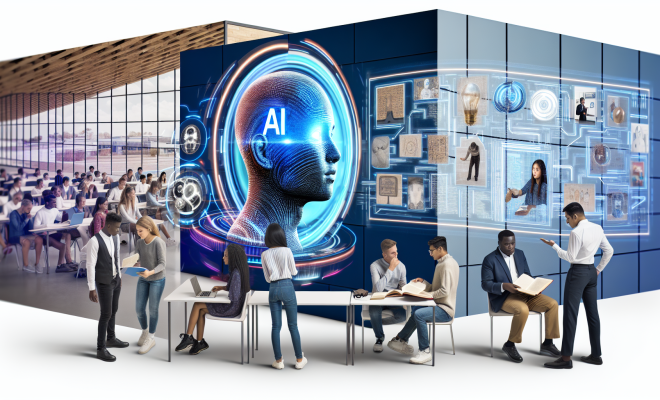
In an era where technology continually reshapes the landscape of education, artificial intelligence (AI) has emerged as a significant tool among college students. Recent findings from the Lumina Foundation-Gallup 2026 State of Higher Education study reveal that a substantial portion of college students in the United States regularly utilize AI in their academic work. Despite certain institutional limitations, the integration of AI into the academic routine appears to be well established.
Survey Insights on AI Utilization Among Students
The study, which surveyed 6,010 U.S. adults aged 18 to 59, indicates that a considerable 57% of college students employ AI tools weekly for their coursework. This includes a notable 20% who use these technologies daily. The implications of these figures suggest that AI has become not just a novelty but a vital component of modern education.
Demographic Disparities in AI Usage
When examining the data more closely, significant demographic differences emerge. For instance, male students are more likely to engage with AI on a daily basis—27% of male respondents report using AI tools every day compared to 17% of female students. Additionally, the study highlights that students majoring in business, technology, and engineering are at the forefront of AI utilization. This trend underscores the alignment between technological advancement and specific fields of study, as students in these areas are often more exposed to and engaged with innovative tools.
Institutional Attitudes Towards AI
Despite the growing reliance on AI, the study reveals conflicting attitudes within educational institutions regarding its use. A notable 42% of surveyed students indicated that their schools discourage the use of AI, while 11% reported outright prohibitions against these technologies. This hesitance from institutions may stem from concerns over academic integrity and the potential for AI to facilitate cheating.
Encouragement in Certain Programs
Interestingly, the narrative shifts when focusing on specific academic programs. Students majoring in technology and business are more likely to find encouragement in using AI tools. This suggests a recognition of the importance of preparing students for a workforce where AI is increasingly prevalent. As businesses continue to incorporate AI into their operations, educational institutions may be adjusting their approaches to better equip students with the necessary skills.
Student Confidence in Career-Ready Skills
Amidst the debate over AI in education, one aspect remains clear: the majority of students maintain confidence in their academic programs. Approximately 90% of respondents believe that their degrees are equipping them with skills relevant to their future careers. This statistic reinforces the notion that, regardless of institutional policies regarding AI, students are optimistic about their education’s capacity to prepare them for the realities of the modern job market.
The Future of AI in Education
The findings of this study raise important questions about the future role of AI in higher education. As students continue to integrate AI into their academic lives, institutions will need to find a balance between encouraging innovation and maintaining academic integrity. The challenge lies in fostering an environment where AI can be harnessed as a valuable educational tool without compromising the core principles of academic honesty.
Conclusion: Navigating the New Educational Terrain
The integration of AI into college coursework is becoming more routine, reflecting broader societal shifts towards technology. With over half of college students actively using AI tools, and a significant portion doing so on a daily basis, it is evident that these technologies are becoming ingrained in the educational experience. However, the mixed responses from institutions indicate a need for ongoing dialogue about the appropriate role of AI in education.
As we move forward, it will be crucial for educators and policymakers to consider how best to support students in leveraging AI responsibly while also ensuring that they acquire the skills necessary to thrive in an increasingly digital world. The balance between innovation and integrity will be key to shaping the future of higher education.