The Rise of Fortnite – A Gaming Revolution
From Survival Game to Battle Royale Sensation
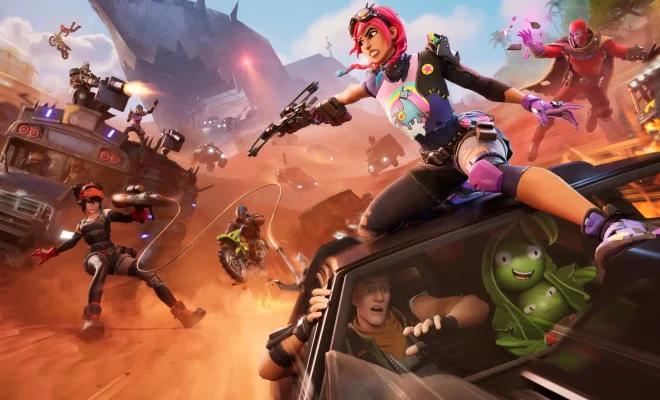
Fortnite’s journey began as a cooperative survival game, but it was the introduction of its battle royale mode that catapulted it to stardom. Released in September 2017, Fortnite Battle Royale quickly gained traction, attracting millions of players within months. The game’s free-to-play model, coupled with its cartoonish graphics and building mechanics, set it apart from other battle royale titles like PlayerUnknown’s Battlegrounds (PUBG).
Key Factors Behind Fortnite’s Success
Several factors contributed to Fortnite’s meteoric rise:
- Accessibility: The game’s free-to-play model and availability on multiple platforms made it easy for anyone to join.
- Regular Updates: Epic Games’ commitment to frequent updates kept the game fresh and exciting.
- Cross-Platform Play: The ability to play with friends across different devices fostered a sense of community.
- Building Mechanics: The unique building feature added a layer of strategy and skill not seen in other battle royale games.
- Cultural Relevance: Collaborations with celebrities, musicians, and popular franchises kept Fortnite in the spotlight.
Impact on the Gaming Industry
Fortnite’s success has had a profound impact on the gaming industry. It popularized the battle pass model, now adopted by many other games. The game’s live events and concerts have redefined how virtual spaces can be used for entertainment. Moreover, Fortnite’s success has pushed other developers to innovate and adapt, leading to a more competitive and dynamic gaming landscape.
As Fortnite continues to evolve, it remains a testament to how a game can transcend its original concept to become a cultural phenomenon. Its influence extends far beyond the realm of gaming, shaping social interactions, entertainment, and even the way we think about virtual spaces.