The Rise of AI in Education: Transformations and Challenges Ahead
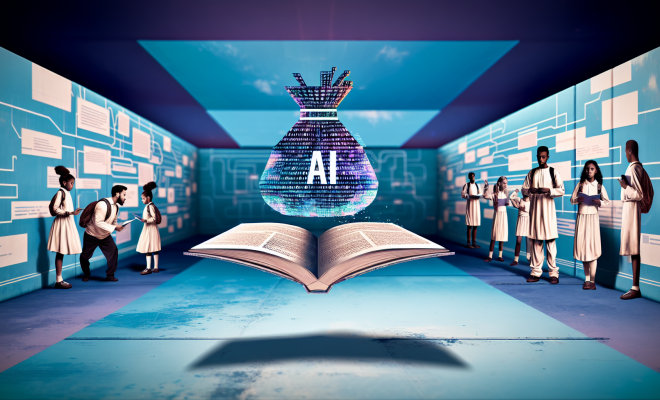
Artificial intelligence (AI) is making significant strides in the field of education, rapidly integrating into various educational institutions ranging from primary schools to universities. This swift adoption, however, is not without its challenges, raising critical administrative and ethical considerations that require attention.
AI’s Expanding Role in Education
As AI technology continues to evolve, its application in the classroom is becoming more prevalent. Schools in California are currently engaged in heated debates regarding the role AI should play in their curricula. This discourse reflects a broader trend observed across the United States, where educators and policymakers are grappling with how to effectively incorporate AI tools into teaching and learning strategies.
Transformative Events and Innovations
Events like SXSW EDU 2026 have become platforms for showcasing the transformative impact of AI in education. These gatherings bring together educators, technology developers, and policy makers to discuss the future of learning in an AI-enhanced environment. The enthusiasm surrounding AI’s potential is palpable, with many advocating for its benefits in personalizing education and supporting teachers.
AI Teaching Assistants: A New Frontier
One of the most promising developments in this arena is the introduction of AI teaching assistants. Companies like Efekta Education are pioneering this space by providing innovative tools that help educators in their daily tasks. These AI assistants are designed to facilitate personalized learning experiences for students, thereby enhancing engagement and improving educational outcomes.
- Personalized Learning: AI tools can adapt learning materials to fit individual student needs, catering to various learning styles and paces.
- Administrative Support: AI can automate routine administrative tasks, allowing educators to focus more on teaching rather than paperwork.
- Data-Driven Insights: AI systems can analyze student performance data, providing educators with valuable insights on how to tailor their instruction.
Challenges and Ethical Considerations
Despite the promising advancements, the integration of AI into educational contexts raises several challenges, particularly concerning ethics and privacy. As schools increasingly utilize AI tools, questions arise about data security, consent, and the potential for bias in AI algorithms. Educational institutions must navigate these complexities while ensuring that the benefits of AI do not come at the cost of student privacy and equity.
Reskilling and Adult Education
AI’s influence extends beyond K-12 and higher education; it is also reshaping adult education. With the job market undergoing significant shifts, many Americans in their 40s are returning to classrooms for reskilling. The demand for advanced skills in an AI-driven economy is prompting adult learners to seek education that can enhance their employability and adaptability.
Job Market Dynamics
The ongoing evolution of the job market necessitates a reevaluation of educational offerings, particularly for adult learners. Traditional pathways may no longer suffice, and educational institutions must adapt to cater to the needs of a workforce that requires ongoing learning and development. This trend underscores the importance of flexible learning options, including online courses and hybrid models, which can accommodate the schedules of adult students.
The Future of AI in Education
As we look to the future, the role of AI in education is poised to expand further. The intersection of technology and learning promises to create more dynamic, inclusive, and effective educational environments. However, it is crucial for stakeholders—including educators, administrators, and policymakers—to collaborate and establish guidelines that prioritize ethical standards and student welfare.
Conclusion
In conclusion, the integration of AI into education presents both exciting opportunities and significant challenges. As educational institutions work to harness the power of AI, it is essential to remain vigilant about the implications of this technology. By fostering a thoughtful approach to AI adoption, we can ensure that it serves as a tool for enhancing learning experiences rather than a source of ethical dilemmas.