AI Agents: Revolutionizing Enterprise Cybersecurity
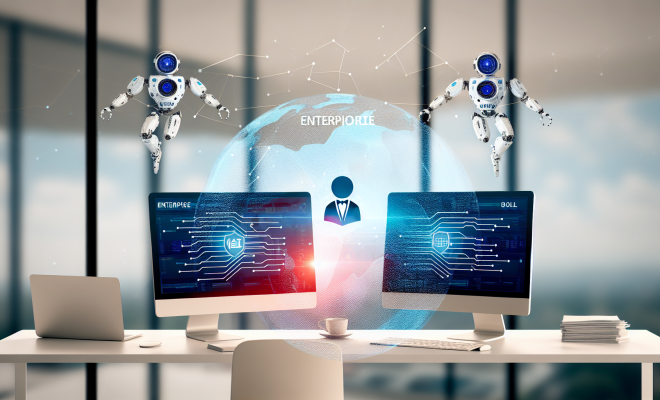
In an era where digital transformation is paramount, artificial intelligence (AI) agents are emerging as game-changers in the realm of enterprise cybersecurity. Unlike traditional cybersecurity tools that operate under human oversight, these AI-driven systems are evolving into autonomous layers capable of handling security operations independently. This shift not only enhances threat detection capabilities but also introduces a host of new risks and challenges, particularly in sensitive sectors like healthcare.
AI Agents: A New Paradigm in Cybersecurity
Historically, cybersecurity has relied heavily on tool-based systems that require significant human intervention. Security teams utilize various software and hardware solutions to monitor, detect, and respond to threats. However, the advent of AI agents signifies a shift toward self-sufficient cybersecurity operations. These agents utilize advanced algorithms and machine learning to analyze vast amounts of data, identify potential threats, and initiate responses without human input.
Enhanced Threat Detection
One of the primary advantages of AI agents is their ability to enhance threat detection. By processing data at unprecedented speeds, these systems can identify anomalies and potential security breaches in real-time. For example, AI agents can analyze network traffic patterns to pinpoint unusual behavior that may indicate a cyberattack. This level of automation not only allows for quicker responses to threats but also reduces the burden on human security teams, enabling them to focus on more complex issues.
Implications for the Healthcare Sector
The healthcare industry, which has increasingly become a target for cybercriminals, stands to benefit significantly from the deployment of AI agents. With sensitive patient information at stake, robust cybersecurity measures are essential. AI agents can help healthcare organizations:
- Quickly identify and neutralize threats to patient data.
- Ensure compliance with regulations such as HIPAA by monitoring data access and usage.
- Reduce the risk of downtime caused by cyber incidents, which can jeopardize patient care.
However, the implementation of AI agents in healthcare also raises critical considerations regarding the management of cybersecurity risks.
New Risks and Challenges
As AI agents take on more responsibilities within cybersecurity frameworks, organizations must grapple with new forms of risk. One of the most pressing concerns is the potential for unintended autonomous actions. AI systems, while capable of making decisions based on their programming and data inputs, may act in ways that are not fully predictable or controllable.
Control and Accountability
With AI agents operating independently, questions arise regarding control and accountability. In the event of a security breach or a miscalculated response by an AI agent, determining liability can become complex. Organizations must consider:
- Who is responsible for decisions made by AI agents?
- How can organizations ensure that AI systems align with ethical standards and legal requirements?
- What measures need to be in place to monitor AI behavior and intervene if necessary?
These questions highlight the need for robust governance frameworks that address the unique challenges posed by AI in cybersecurity.
Unintended Consequences
Another significant risk involves the potential for unintended consequences resulting from AI agents’ actions. For instance, an AI system designed to block suspicious network traffic may inadvertently prevent legitimate access to critical systems, disrupting operations. This scenario underscores the importance of establishing fail-safes and manual overrides to mitigate risks associated with autonomous decision-making.
The Future of Cybersecurity
The integration of AI agents into cybersecurity represents a transformative shift that promises enhanced efficiency and effectiveness in threat detection. However, to fully harness the potential of these technologies, organizations must address the accompanying risks. This includes:
- Investing in comprehensive training for cybersecurity personnel on AI technologies.
- Developing clear protocols for accountability and oversight of AI agents.
- Implementing regular audits and assessments of AI behavior to ensure alignment with organizational values.
As industries, especially healthcare, navigate this new landscape, it is crucial to strike a balance between leveraging AI’s capabilities and maintaining human oversight. The future of cybersecurity will likely depend on our ability to effectively integrate AI agents while safeguarding against the inherent risks they present.
In conclusion, while AI agents offer unparalleled opportunities for enhancing cybersecurity, especially in high-stakes environments like healthcare, their autonomous nature necessitates a reevaluation of current practices. Organizations must proactively address the challenges and risks associated with AI to build a secure and resilient digital future.