The Origins and Development of Stardew Valley
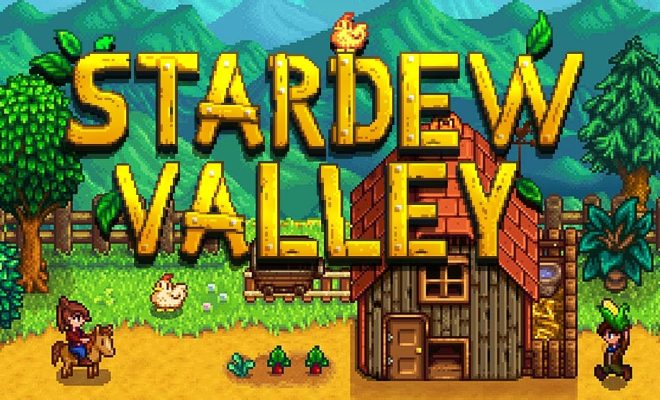
Stardew Valley’s journey from a one-man project to a global phenomenon is nothing short of inspirational. Eric Barone, fresh out of college and unable to find a job in the tech industry, decided to create a game to improve his programming skills. Inspired by the Harvest Moon series, Barone set out to develop a farming sim that would address what he perceived as shortcomings in the genre.
Over the course of four and a half years, Barone worked tirelessly on every aspect of the game – from pixel art and music composition to coding and story writing. This dedication to crafting a complete and polished experience is evident in every corner of Stardew Valley.
The game’s development wasn’t without its challenges. Barone faced numerous setbacks, including scrapping large portions of work and completely overhauling systems. However, his perseverance paid off when Stardew Valley was finally released on February 26, 2016, to critical acclaim and commercial success.
What sets Stardew Valley apart is its attention to detail and the depth of its systems. Barone created a living, breathing world where each character has a unique personality and backstory. The farming mechanics are intuitive yet complex, allowing for various strategies and playstyles. Beyond farming, players can explore caves, fish, craft items, and build relationships with the town’s inhabitants.
The game’s success led to ports on multiple platforms, including mobile devices and all major consoles. Barone continued to support the game with free updates, adding new content and features based on community feedback. This ongoing development and the creator’s close relationship with the player base have contributed significantly to Stardew Valley’s longevity and sustained popularity.
Stardew Valley’s development story serves as an inspiration to indie developers worldwide, showing that with passion, dedication, and a clear vision, it’s possible to create a game that resonates with millions of players. The game’s success has also influenced the industry, proving that there’s a strong market for relaxing, wholesome gaming experiences that prioritize player freedom and creativity.