The Looming Threat: How Climate Change Could Devastate Land Animal Habitats by 2085
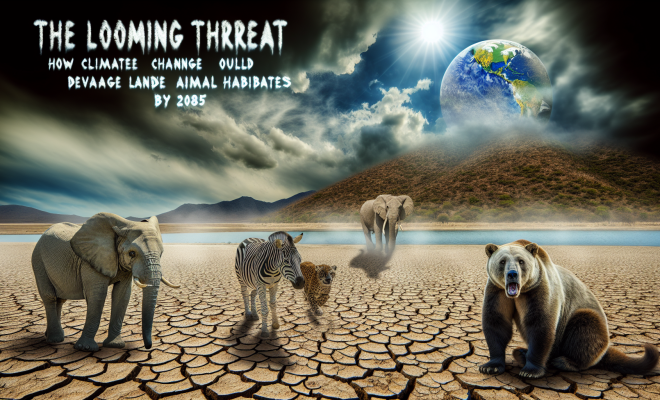
As the climate crisis intensifies, new research reveals alarming predictions about the future of terrestrial ecosystems. A comprehensive study published in Nature Ecology and Evolution warns that extreme weather events, driven by climate change, could jeopardize over one-third of land animal habitats by the year 2085. If greenhouse gas emissions continue along their current trajectory, the implications for biodiversity and ecosystem stability could be catastrophic.
The Study: A Multinational Effort
This significant research effort brought together the expertise of 18 scientists from various institutions, including Stefanie Heinicke from the Potsdam Institute for Climate Impact Research. The study meticulously analyzed data concerning climate change projections and their potential impacts on land animal habitats. The findings are a stark reminder of the urgency for global action against climate change.
Understanding the Risks
According to the study, the following extreme weather events are expected to occur with increasing frequency and intensity:
- Heatwaves: An overwhelming 74% of land habitats may experience extreme heat conditions.
- Wildfires: Approximately 16% of habitats are predicted to be at risk from wildfires.
- Droughts: Nearly 8% of land environments could face severe drought conditions.
These extreme weather events are not isolated phenomena; rather, they often occur in conjunction with one another, creating overlapping stressors that can exacerbate ecological degradation.
Heatwaves: A Direct Threat to Biodiversity
Heatwaves, characterized by prolonged periods of excessively high temperatures, pose a direct threat to numerous species. Many animals have narrow temperature tolerances, and extreme heat can lead to physiological stress, reduced reproductive success, and increased mortality rates. For example, amphibians, which are particularly sensitive to temperature fluctuations, may find it challenging to survive in rapidly warming environments.
Impact on Species Distribution
As habitats become inhospitable due to extreme heat, many species will be forced to migrate to cooler areas. This shift could lead to increased competition for resources, as multiple species vie for limited space in more favorable conditions. The resulting changes in species distribution can disrupt existing ecosystems, leading to cascading effects throughout the food web.
Wildfires: The Growing Threat
Wildfires have become increasingly common in many regions around the world, fueled by hotter temperatures and prolonged dry spells. The study highlights that 16% of land habitats may face the looming threat of wildfires, which can have devastating impacts on both flora and fauna.
Loss of Habitat and Species
Wildfires can obliterate vast areas of habitat, leading to immediate loss of life for countless animals. Moreover, the destruction of vegetation can disrupt food chains, making it difficult for species to recover. As habitats are destroyed, many species find themselves facing extinction, particularly those that are endemic or already vulnerable.
Droughts: A Slow-Burning Crisis
While wildfires can cause immediate destruction, droughts represent a more gradual, yet equally perilous threat. Nearly 8% of habitats are projected to experience severe drought conditions, which can lead to water scarcity and reduced food availability.
Adaptation and Survival
Many species have adapted to survive under normal drought conditions, but the increasing intensity and frequency of droughts may outpace these adaptations. Species that rely on specific water sources or have limited mobility may be particularly vulnerable, facing heightened risks of extinction as their habitats become uninhabitable.
The Interconnectedness of Climate Impacts
One of the most concerning findings from the study is the interconnected nature of these climate impacts. Heatwaves, droughts, and wildfires do not occur in isolation; instead, they often overlap and compound one another. For instance, a heatwave can lead to drought conditions, which in turn makes ecosystems more susceptible to wildfires. This interconnectedness poses a significant challenge for conservation efforts and necessitates a comprehensive approach to climate resilience.
Potential Solutions and Mitigation Strategies
Addressing the challenges posed by extreme weather events requires a multifaceted approach that combines mitigation, adaptation, and conservation strategies. Here are several potential solutions that can help protect land animal habitats:
- Reducing Greenhouse Gas Emissions: The most effective way to combat climate change is to significantly reduce greenhouse gas emissions. Transitioning to renewable energy sources, enhancing energy efficiency, and implementing sustainable agricultural practices are critical steps in this direction.
- Conservation Efforts: Protecting existing habitats and restoring degraded ecosystems can provide safe havens for vulnerable species. Establishing protected areas, wildlife corridors, and conservation easements can help maintain biodiversity.
- Community Engagement: Engaging local communities in conservation efforts is vital for promoting sustainable practices and ensuring the long-term success of habitat preservation initiatives.
- Research and Monitoring: Continued research is essential to understand the impacts of climate change on ecosystems. Monitoring species populations, habitat conditions, and climate variables can inform conservation strategies and facilitate timely interventions.
The Call for Global Action
The findings of this study serve as a clarion call for urgent action to address climate change. As the impacts of extreme weather events threaten to decimate land animal habitats, the time for complacency has passed. Global leaders, policymakers, and individuals must come together to implement meaningful changes that will protect our planet’s biodiversity.
International Cooperation
Climate change is a global challenge that transcends national boundaries. International cooperation is essential to effectively address the crisis. Agreements like the Paris Accord aim to unite countries in the fight against climate change, but the commitment to enforce and enhance these agreements remains critical.
Local Action and Individual Responsibility
While global actions are paramount, local initiatives also play a crucial role. Individuals can contribute by adopting sustainable practices, reducing their carbon footprints, and advocating for policies that prioritize environmental protection. Grassroots movements have the power to influence change and hold governments accountable.
Conclusion: A Call to Action
The study published in Nature Ecology and Evolution paints a sobering picture of the future of land animal habitats in the face of climate change. With extreme weather events potentially endangering over one-third of these habitats by 2085, the stakes have never been higher. The interconnected nature of climate impacts calls for a comprehensive and collaborative response to safeguard biodiversity and ensure the stability of ecosystems.
Every individual, organization, and government has a role to play in this fight. The time to act is now. By implementing effective strategies, advocating for sustainable practices, and fostering global cooperation, we can protect the planet’s biodiversity for future generations.