The Looming Crisis in Self-Driving Car Regulations: Why Congress MUST Act Now
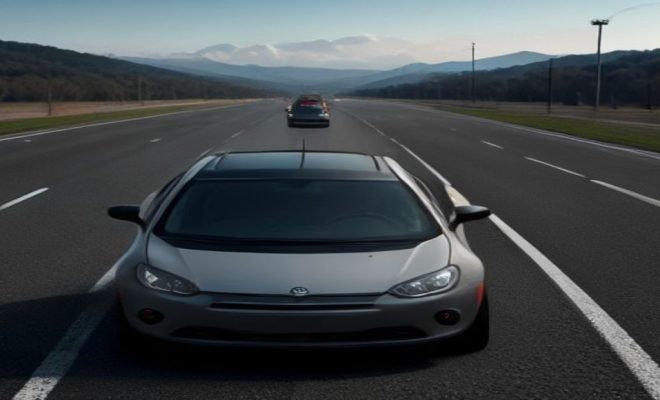
Imagine a world where your car drives itself, seamlessly navigating traffic, parking, and even picking up groceries. It sounds like science fiction, doesn’t it? Yet, we’re on the cusp of that reality. Autonomous vehicles (AVs), or self-driving cars, are no longer just concepts in a lab; they’re on our roads, albeit in limited capacities. But here’s the kicker: the rules governing these revolutionary machines are stuck in neutral. While innovators push the boundaries of technology, lawmakers are struggling to keep pace, creating a chaotic ‘patchwork’ of self-driving car regulations that threatens both public safety and the industry’s potential.
This isn’t just about convenience; it’s about the future of transportation, economic competitiveness, and, most importantly, human lives. The current landscape is a jumbled mess of state and local rules, making it incredibly difficult for companies to develop and deploy AVs safely and efficiently across the nation. This fractured approach isn’t sustainable, and it’s why a growing chorus of voices, from Congressional leaders like Rep. Erin Houchin to industry heavyweights, are demanding a unified federal framework. We’re at a critical juncture, and the decisions made (or not made) now will shape our roads for decades to come. Let’s dig into why this push for federal oversight is so urgent and what’s really at stake.
1. The ‘Patchwork’ Problem: A Regulatory Maze
One of the biggest hurdles facing the autonomous vehicle industry in the United States is the sheer inconsistency of self-driving car regulations. Think about it: if you’re a company developing cutting-edge self-driving technology, you need clear, predictable rules to operate. But right now, you might have one set of rules in California, another in Arizona, and yet another in Florida. This isn’t just an inconvenience; it’s a significant impediment to progress.
This ‘patchwork’ approach means that what’s legal and safe in one state might be prohibited or require entirely different compliance measures in another. For AV manufacturers, this translates into astronomical costs for adapting vehicles and software to myriad local ordinances, not to mention the legal headaches and potential for liability. It stifles innovation and makes it incredibly difficult to scale operations nationwide. Imagine if every state had different rules for traditional car safety features like airbags or seatbelts; it would be a logistical nightmare, and that’s precisely the situation we’re facing with AVs.
To put this into perspective, consider the varying definitions of an “operator” or “driver.” Some states still require a human to be present in the vehicle, even if they’re not actively driving, while others allow for fully uncrewed operations under certain conditions. Then there are differences in reporting requirements for incidents, testing permits, and even how data collected by AVs can be used. This isn’t a minor administrative hurdle; it fundamentally impacts how AV companies design, test, and deploy their technology. It forces them to either choose specific states for operation, limiting their market reach, or incur massive costs to comply with diverse and sometimes conflicting mandates. This regulatory fragmentation is essentially building walls around innovation, making it harder for the U.S. to lead in this crucial sector.
2. The SELF DRIVE Act: A Beacon for National Standards
Amidst this regulatory chaos, legislative efforts like the SELF DRIVE Act offer a glimmer of hope. Championed by figures such as Rep. Erin Houchin, R-Indiana, this proposed legislation aims to establish a much-needed national framework for autonomous vehicles. The core idea is simple yet profound: move away from the state-by-state free-for-all and consolidate authority under a single, federal body – the National Highway Traffic Safety Administration (NHTSA).
If passed, the SELF DRIVE Act would do several critical things. It would grant NHTSA explicit authority over self-driving cars, ensuring a consistent set of safety standards across all 50 states. It would also mandate the sharing of crucial crash data, allowing regulators and manufacturers to learn from incidents and continuously improve safety. Furthermore, it would enhance existing safety requirements, pushing the industry towards higher benchmarks. This isn’t about stifling innovation; it’s about creating a clear, safe, and predictable path for AV deployment, fostering public trust in the process. See also Europe's new AI laws.
The act also aims to preempt state laws concerning the design, construction, and performance of AVs, reserving these aspects for federal oversight. This preemption is a key element that would dismantle the “patchwork” and create a unified national standard. States would still retain authority over traditional aspects of road use, like licensing, registration, and traffic laws, but the core safety and operational standards for the AV technology itself would fall under NHTSA. This division of authority is crucial for maintaining state control where it makes sense while ensuring national consistency where safety technology is concerned. The SELF DRIVE Act isn’t a perfect solution, and it faces its own political hurdles, but it represents the most significant legislative attempt to date to bring order to the chaos of self-driving car regulations.
3. NHTSA’s Pivotal Role: Stepping Up to the Challenge
NHTSA, as the primary federal agency responsible for vehicle safety, is already taking significant steps, even in the absence of comprehensive federal self-driving car regulations. Their actions signal a growing recognition of the need for federal oversight and a proactive approach to managing this evolving technology. A prime example is their recent decision to grant the first-ever commercial exemption for Zoox’s robotaxis.
This exemption is a big deal. It allows Zoox to operate its autonomous vehicles for commercial purposes, even though they don’t fully comply with certain existing Federal Motor Vehicle Safety Standards (FMVSS) designed for human-driven cars. This move demonstrates NHTSA’s willingness to adapt and create pathways for AV deployment, acknowledging that current regulations weren’t written with fully autonomous vehicles in mind. It’s a pragmatic step, but it also underscores the urgent need for a more comprehensive and forward-looking regulatory framework that doesn’t rely on piecemeal exemptions.
Beyond the Zoox exemption, NHTSA has also been issuing standing general orders for AV manufacturers to report crashes and other safety-critical incidents. This data collection is vital for understanding how AVs perform in real-world conditions and for identifying potential risks. While not a full regulatory framework, these orders serve as an interim measure to gather essential information and inform future rulemaking. They also highlight the agency’s proactive stance in monitoring this nascent technology. However, relying on exemptions and general orders isn’t a sustainable long-term strategy. It creates uncertainty for industry and doesn’t offer the clear, consistent guidance needed for broad-scale AV deployment. A formal, codified regulatory structure would provide much greater stability and predictability for all stakeholders. (See: the challenges of self-driving car regulations.)
4. Balancing Innovation and Safety: The Eternal Dilemma
The debate around self-driving car regulations often boils down to a fundamental tension: how do we accelerate the deployment of this transformative technology while simultaneously ensuring public safety? On one side, proponents argue that AVs have the potential to dramatically reduce traffic accidents, which are overwhelmingly caused by human error. They point to the potential for increased efficiency, accessibility, and economic growth.
On the other side, safety advocates raise legitimate concerns about the readiness of the technology, the potential for new types of accidents, and the complexities of liability in a driverless world. High-profile incidents, though rare, tend to dominate headlines and fuel public skepticism. The challenge for lawmakers and regulators is to strike a delicate balance: fostering an environment where innovation can thrive without compromising the safety of pedestrians, cyclists, and other road users. This isn’t an easy tightrope walk, and it requires robust testing, transparency, and a commitment to continuous improvement.
The statistics on human-caused accidents are indeed stark: over 40,000 fatalities annually in the U.S. alone, with human error cited as a factor in over 90% of crashes. The promise of AVs is to virtually eliminate these errors, leading to a significant reduction in injuries and deaths. However, the public’s perception of safety is often shaped more by emotional responses to rare but dramatic AV incidents than by overall statistical benefits. For example, a single fatality involving an AV receives intense media scrutiny, whereas thousands of daily human-driven crashes often go unnoticed by the broader public. This discrepancy in perception creates a unique challenge for regulators, who must balance the statistical potential of AVs with the public’s emotional demands for absolute safety. Achieving this balance requires not just robust technical standards but also effective public education and transparent communication about the technology’s capabilities and limitations.
5. The Liability Labyrinth: Who’s to Blame?
One of the thorniest issues surrounding self-driving car regulations is the question of liability. In a traditional car accident, determining fault is usually straightforward: it’s the human driver who was negligent. But what happens when there’s no human behind the wheel? Is it the car manufacturer? The software developer? The owner of the vehicle? The company operating the robotaxi service?
The current legal framework isn’t adequately equipped to answer these questions, creating a significant impediment to widespread AV adoption. Insurance companies are grappling with how to underwrite policies for autonomous vehicles, and legal battles over AV accidents are only just beginning to emerge. A clear federal framework needs to address this head-on, providing clarity on liability and ensuring that victims of AV accidents have a clear path to compensation. Without this clarity, both consumers and companies will remain hesitant, slowing the progress of this potentially life-saving technology.
The situation becomes even more complex with mixed autonomy levels. What if a human driver is expected to take over in certain situations (Level 3 autonomy), but fails to do so? Is the manufacturer still liable for a system that couldn’t handle the situation, or is the human driver at fault for not intervening? These nuanced scenarios highlight the need for a sophisticated legal framework that can distinguish between different levels of autonomy and assign responsibility accordingly. Some proposals suggest a no-fault compensation system for AV accidents, similar to workers’ compensation, to ensure victims are quickly compensated, with the industry then collectively bearing the costs. Others advocate for clear product liability standards, holding the AV manufacturer responsible as they would for any defective product. The path forward likely involves a blend of these approaches, but without a federal directive, states will continue to develop disparate and potentially conflicting liability rules, creating more confusion for everyone involved.
6. Economic Implications: Boosting Domestic Manufacturing
Beyond safety and liability, self-driving car regulations also have significant economic implications, particularly concerning domestic manufacturing. There’s a strong push from lawmakers like Rep. Houchin to ensure that the United States remains a leader in AV technology and production. This isn’t just about national pride; it’s about jobs, economic growth, and maintaining a competitive edge in a global market.
A unified federal regulatory framework can play a crucial role here. By providing a stable and predictable environment, it encourages investment in domestic research, development, and manufacturing facilities. Conversely, a fragmented regulatory landscape can drive companies to other countries with clearer rules, leading to job losses and a decline in U.S. competitiveness. The goal is to create conditions where American companies can innovate, produce, and export AV technology, cementing the U.S. as a global hub for this industry.
Consider the global race for AV dominance. Countries like China and Germany are actively developing national strategies and regulations to foster their domestic AV industries. China, for instance, has invested heavily in smart infrastructure and has a more centralized approach to regulating autonomous driving, potentially giving its domestic companies an advantage in scaling. If the U.S. continues with its fragmented approach, American companies might find it more efficient and cost-effective to test and deploy their technology in markets with clearer, unified rules. This could lead to a brain drain, with top talent and investment flowing overseas, ultimately weakening the U.S.’s position as a technology leader. A coherent federal strategy for self-driving car regulations isn’t just about road safety; it’s a critical component of national economic strategy and future competitiveness.
7. Public Trust and Acceptance: The Human Element
No matter how advanced the technology, the widespread adoption of self-driving cars ultimately hinges on public trust and acceptance. People need to feel safe and confident sharing the roads with autonomous vehicles, whether they’re riding in one or driving alongside one. The current ‘patchwork’ of self-driving car regulations, with its inherent inconsistencies and ambiguities, does little to foster this trust.
A strong federal framework, rooted in transparency, rigorous safety standards, and clear accountability, can go a long way in building that confidence. When people understand that AVs are held to a consistent, high standard across the country, they’re more likely to embrace the technology. This also means clear communication from regulators and industry about the capabilities and limitations of AVs, managing expectations, and addressing public concerns head-on. Without public buy-in, even the most revolutionary technology will struggle to gain traction.
Building public trust isn’t a one-time event; it’s an ongoing process. It involves consistent messaging, transparent reporting of incidents (and their resolutions), and public education campaigns. Imagine a national campaign, perhaps led by NHTSA, that clearly explains what different levels of autonomy mean, how AVs are tested, and what safety redundancies are in place. This could help demystify the technology and counteract some of the negative perceptions fueled by sensationalized headlines. Furthermore, involving the public in the regulatory process through open forums and feedback mechanisms can create a sense of ownership and understanding. Without this human element, even the most technically perfect self-driving car will remain confined to limited deployments, unable to achieve its full potential for societal benefit.
8. Data Sharing and Transparency: Learning from Every Mile
One of the most powerful tools for improving self-driving car safety is data. Every mile driven by an autonomous vehicle generates a wealth of information about its performance, decision-making, and interactions with the environment. Sharing this data, particularly crash data, is absolutely critical for learning, identifying potential issues, and iteratively improving the technology. This is a key component of the proposed SELF DRIVE Act. (See: NHTSA's guidelines on autonomous vehicles.)
Imagine a scenario where a specific software glitch or sensor blind spot is identified in one AV incident. If that data is shared across the industry and with regulators, it can lead to rapid software updates and design changes that prevent similar incidents from happening elsewhere. Without mandated data sharing, valuable lessons might remain siloed within individual companies, hindering the collective progress of the industry towards safer vehicles. Transparency here isn’t just good practice; it’s essential for public safety and the continuous refinement of AV systems.
Beyond crash data, operational data like near-misses, disengagements (when a human takes control), and even routine driving patterns can offer invaluable insights. Aggregated and anonymized data from multiple AV operators could reveal common challenges or unexpected scenarios that individual companies might miss. This collective learning approach, facilitated by federal data sharing mandates, could accelerate the improvement cycle for AV technology exponentially. Of course, data privacy concerns need careful consideration, ensuring that personal identifiable information is protected while still allowing for robust safety analysis. A well-designed federal framework for data sharing would balance these competing interests, creating a virtuous cycle of continuous improvement driven by real-world performance data.
9. The Monetization Opportunity: Beyond the Wheel
While the focus is often on the vehicles themselves, the rise of autonomous technology opens up a vast array of monetization opportunities that extend far beyond simply selling cars. The complexities of self-driving car regulations, liability, and development create entirely new markets for specialized services. Think about the legal sector: as AVs become more prevalent, the demand for legal counsel specializing in regulatory compliance, accident liability, and intellectual property will skyrocket.
Then there’s the B2B SaaS (Software as a Service) niche. Companies developing AVs need sophisticated software solutions for everything from sensor data fusion and AI algorithms to simulation platforms and cybersecurity. This is a massive growth area for specialized tech companies. And let’s not forget the insurance industry, which will need to innovate with entirely new product offerings tailored specifically to autonomous vehicles, assessing risks and liabilities in ways never before imagined. This entire ecosystem represents a significant economic frontier, but it needs clear federal rules to truly flourish.
Consider also the urban planning and infrastructure sectors. Self-driving cars will eventually require “smart city” infrastructure, including vehicle-to-everything (V2X) communication systems, specialized charging stations, and optimized traffic management systems. This creates opportunities for companies specializing in smart infrastructure development, data analytics for traffic flow, and energy management. Delivery services, logistics, and even mobile healthcare could be revolutionized by AVs, leading to new business models and service offerings. The economic ripple effect of widespread AV adoption, enabled by clear self-driving car regulations, is immense. It promises to create entirely new industries and jobs, making the investment in a robust federal framework not just a safety imperative but an economic one.
10. Global Harmonization: A Long-Term Vision
While the immediate focus for the U.S. is on establishing a federal framework, the long-term vision for self-driving car regulations should include global harmonization. Automotive manufacturing and technology development are inherently international endeavors. Companies operate across borders, and vehicles designed in one country might be sold and operated in many others. Disparate national regulations can create significant barriers to international trade and innovation.
Organizations like the United Nations Economic Commission for Europe (UNECE) are already working on international standards for AVs, particularly for advanced driver-assistance systems (ADAS) and Level 3 conditional automation. While the U.S. often sets its own standards through NHTSA, there’s a growing recognition that aligning with international best practices where appropriate can benefit everyone. Harmonized standards could streamline development, reduce compliance costs for manufacturers, and ultimately accelerate the global deployment of safer AVs. This isn’t about surrendering national sovereignty, but about finding common ground on fundamental safety principles and testing protocols, ensuring that self-driving cars can operate safely and legally no matter where they are in the world.
11. Ethical Considerations: Beyond the Code
Self-driving car regulations aren’t just about technical safety; they also touch upon profound ethical considerations. When an AV faces an unavoidable accident scenario, how should it be programmed to make decisions? Should it prioritize the lives of its occupants, or minimize harm to the greatest number of people, including pedestrians? These “trolley problem” scenarios, while rare, highlight the need for ethical guidelines to inform the algorithms that govern AV behavior.
Currently, there are no universal ethical frameworks enshrined in self-driving car regulations. Manufacturers largely rely on their internal ethics boards and engineering principles. However, public trust demands a more transparent and societal approach. A federal framework could facilitate discussions and potentially establish guidelines for how AVs should be programmed to handle unavoidable dilemmas, reflecting societal values rather than just corporate decisions. This might involve mandating transparency in algorithmic decision-making, requiring independent ethical audits, or even establishing a national commission to deliberate on these complex issues. Addressing these ethical dimensions proactively is crucial for public acceptance and the long-term societal integration of autonomous vehicles.
Frequently Asked Questions About Self-Driving Car Regulations
What are “self-driving car regulations”?
Self-driving car regulations are the rules and laws governing the testing, deployment, and operation of autonomous vehicles (AVs). These cover aspects like safety standards, liability in case of accidents, data recording and sharing, testing permits, and operational requirements. Currently, these regulations are a mix of federal guidelines, state laws, and local ordinances, creating a complex and often inconsistent landscape. (See: the future of self-driving technology.)
Why is a federal framework for self-driving car regulations important?
A unified federal framework is crucial because it would replace the current “patchwork” of state-by-state rules with consistent national standards. This predictability would reduce costs for AV developers, foster innovation, ensure uniform safety standards across the country, boost domestic manufacturing, and build greater public trust in the technology. Without it, the U.S. risks falling behind other nations in AV development and deployment.
What is the SELF DRIVE Act?
The SELF DRIVE Act is proposed federal legislation aimed at creating a national framework for autonomous vehicles in the United States. It would grant the National Highway Traffic Safety Administration (NHTSA) explicit authority over AV safety standards, preempt conflicting state laws on vehicle design and performance, and mandate data sharing to improve safety. It represents a significant effort to streamline self-driving car regulations at a federal level.
What role does NHTSA play in regulating self-driving cars?
NHTSA (National Highway Traffic Safety Administration) is the primary federal agency responsible for vehicle safety. Even without comprehensive federal AV legislation, NHTSA is taking steps to oversee the technology. They issue guidance, collect data on AV incidents through general orders, and can grant exemptions to existing Federal Motor Vehicle Safety Standards (FMVSS) to allow AVs that don’t fit traditional vehicle definitions to operate. Their role is expected to expand significantly under a federal framework.
Who is liable in a self-driving car accident?
This is one of the most complex questions in self-driving car regulations. In traditional accidents, the human driver is usually at fault. With AVs, liability could fall on the vehicle manufacturer, the software developer, the AV fleet operator, or even potentially the owner, depending on the level of autonomy and the specific circumstances of the crash. Current laws are ill-equipped to handle these scenarios, highlighting the urgent need for a clear federal liability framework.
How do self-driving car regulations impact public trust?
Public trust is paramount for widespread AV adoption. Inconsistent or unclear self-driving car regulations can erode this trust, as people may feel uncertain about the safety and accountability of autonomous vehicles. A strong, transparent federal framework, with clear safety standards, robust testing, and accountability mechanisms, can significantly increase public confidence and acceptance of the technology.
Are self-driving cars safer than human-driven cars?
The promise of self-driving cars is a dramatic reduction in accidents, as over 90% of crashes are caused by human error. While AV technology is still evolving, data from controlled testing environments and early deployments suggests a strong potential for improved safety. However, public perception can be heavily influenced by rare, high-profile AV incidents. Effective self-driving car regulations are designed to ensure AVs meet high safety benchmarks before widespread deployment.
What are the economic benefits of clear self-driving car regulations?
Clear federal self-driving car regulations can foster economic growth by encouraging investment in domestic research, development, and manufacturing. They provide predictability for businesses, enabling them to scale operations and create jobs. Conversely, a fragmented regulatory landscape can drive innovation and capital to countries with clearer rules, diminishing U.S. competitiveness in this crucial global market.
The road to a truly autonomous future is paved with technological marvels, but it’s also fraught with regulatory challenges. The current jumble of state and local self-driving car regulations is a roadblock that we simply can’t afford if we want to realize the full potential of this groundbreaking technology. The push for a unified federal framework, championed by lawmakers and industry leaders alike, isn’t just about making things easier for car manufacturers; it’s about ensuring safety, fostering innovation, boosting domestic manufacturing, and ultimately, building public trust in a future where our cars drive themselves. The time for Congress to act decisively is now, before the patchwork becomes an impenetrable maze.
Trending Now
Frequently Asked Questions
What are the current regulations for self-driving cars?
Current regulations for self-driving cars vary significantly across states, creating a chaotic 'patchwork' of rules. This inconsistency makes it challenging for companies to develop and deploy autonomous vehicles safely, as what is permissible in one state may be illegal in another.
Why is federal regulation needed for self-driving cars?
Federal regulation is needed to create a unified framework for self-driving cars, which would ensure consistent safety standards and operational guidelines across all states. This would aid in the safe deployment of autonomous vehicles and support technological innovation.
What are the potential risks of inconsistent self-driving car regulations?
Inconsistent regulations pose significant risks, including compromised public safety and hindered technological advancement. The lack of clear guidelines can lead to confusion for manufacturers and consumers alike, potentially resulting in unsafe practices and accidents.
What impact could self-driving cars have on transportation?
Self-driving cars have the potential to revolutionize transportation by improving traffic efficiency, reducing accidents, and changing how people commute. However, without cohesive regulations, the full benefits of this technology may be delayed or diminished.
Who is advocating for better self-driving car regulations?
A growing coalition of Congressional leaders, industry experts, and technology innovators are advocating for better self-driving car regulations. Notable voices include Rep. Erin Houchin, who emphasizes the urgent need for a unified federal framework to ensure safety and promote industry growth.
Have you experienced this yourself? We'd love to hear your story in the comments.