The Evolution of Stealth Gaming
Introduction
Stealth gaming has come a long way since its inception in the early 1980s. From simple 2D sidescrollers to complex 3D open-world experiences, the genre has continuously evolved, pushing the boundaries of gameplay mechanics and storytelling. This article will explore the journey of stealth games, highlighting key titles and innovations that have shaped the genre into what it is today.
The Birth of Stealth Gaming
The concept of stealth in video games can be traced back to 1981 with the release of “005” by Sega. This early arcade game featured a spy character who had to avoid enemies and collect briefcases. However, it wasn’t until 1987 that the first true stealth game, “Castle Wolfenstein,” was released. Developed by Muse Software, this game introduced many elements that would become staples of the genre, such as sneaking past guards and disguising oneself as an enemy.
The Rise of 3D Stealth Games
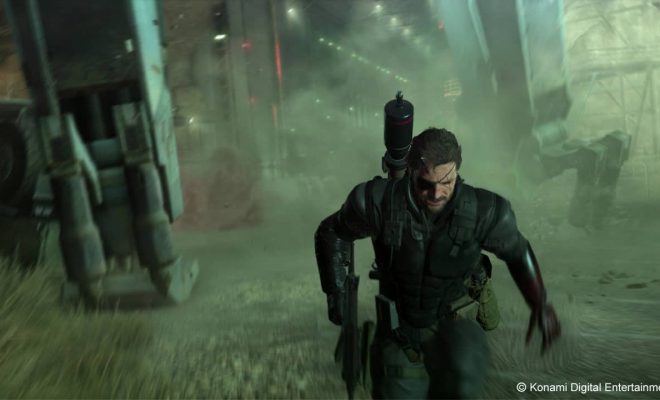
The late 1990s saw a significant leap in stealth gaming with the introduction of 3D graphics. Games like “Metal Gear Solid” (1998) and “Thief: The Dark Project” (1998) revolutionized the genre by offering more immersive environments and complex gameplay mechanics. “Metal Gear Solid” combined stealth with cinematic storytelling, while “Thief” focused on light and sound as core stealth elements.
Stealth in Open-World Games
As technology advanced, stealth mechanics began to be incorporated into open-world games. Titles like “Assassin’s Creed” (2007) blended stealth with parkour and historical settings, creating a unique gaming experience. The “Far Cry” series, starting with “Far Cry 3” (2012), allowed players to approach objectives stealthily in vast, open environments.
Modern Stealth Games
Today, stealth games continue to innovate. Titles like “Hitman” (2016) offer sandbox-style levels with multiple ways to complete objectives stealthily. “Dishonored” (2012) and its sequels combine stealth with supernatural abilities, allowing for creative problem-solving. Meanwhile, indie games like “Mark of the Ninja” (2012) prove that 2D stealth games can still offer compelling experiences.
Conclusion
The evolution of stealth gaming reflects the broader trends in video game development. From simple avoidance mechanics to complex systems that simulate sight, sound, and even smell, stealth games have consistently pushed the envelope of what’s possible in interactive entertainment. As technology continues to advance, we can expect stealth games to become even more immersive and realistic, offering players new and exciting ways to sneak, hide, and outsmart their virtual opponents.