The Evolution of PUBG Maps: From Erangel to Taego
One of the key factors in PUBG: Battlegrounds’ longevity is its diverse and ever-expanding selection of maps. Each map brings its own unique challenges and strategies, keeping the gameplay fresh and exciting for veteran players while offering new experiences for newcomers. Let’s explore the evolution of PUBG’s maps from the original Erangel to the more recent additions like Taego.
Erangel, the original PUBG map, set the standard for what players would come to expect from a battle royale playground. This 8×8 km island features a mix of urban areas, rural landscapes, and military installations. Iconic locations like the School, Pochinki, and the Military Base quickly became hotspots for intense early-game battles. Erangel’s design encouraged a variety of playstyles, from aggressive urban combat to long-range sniper duels across its open fields.
Miramar, the second map introduced to PUBG, brought players to a vast desert landscape. Also 8×8 km in size, Miramar’s terrain is notably different from Erangel, with more elevation changes and less vegetation for cover. This map emphasized long-range combat and vehicle use, with its sprawling cities and compounds offering intense close-quarters battles as well.
Sanhok marked a significant departure from the previous maps. At just 4×4 km, it’s much smaller, leading to faster-paced games with more frequent encounters. The dense jungle environment and numerous compounds create a very different gameplay experience, favoring close to mid-range engagements.
Vikendi, a 6×6 km snow map, introduced new mechanics like footprints in the snow and unique vehicles like the snowmobile. Its mix of open snowy fields and dense urban areas created a balanced environment for various playstyles.
Karakin, another 2×2 km map, brought destructible environments and underground tunnels to PUBG. This tiny map creates intense, fast-paced matches with a focus on close-quarters combat.
Paramo, a 3×3 km map set in the highlands of South America, introduced dynamic map elements. The terrain changes between matches, with different compound locations and lava flows, adding an element of unpredictability to each game.
Haven, the smallest map at 1×1 km, is unique in that it only supports 32 players and introduces AI-controlled enemies. This urban warfare map offers a different take on the battle royale formula, with a heavy emphasis on close-quarters combat.
Taego, returning to the 8×8 km size, is set in South Korea and introduces several new mechanics. These include the ability to self-revive, a second-chance system called “Comeback BR,” and exclusive new weapons and vehicles.
Each new map has not only brought visual variety but has also introduced new gameplay mechanics and strategies. For example, Miramar’s vast open spaces encouraged the use of long-range weapons and vehicles, while Sanhok’s dense jungle promoted more aggressive, close-quarters playstyles.
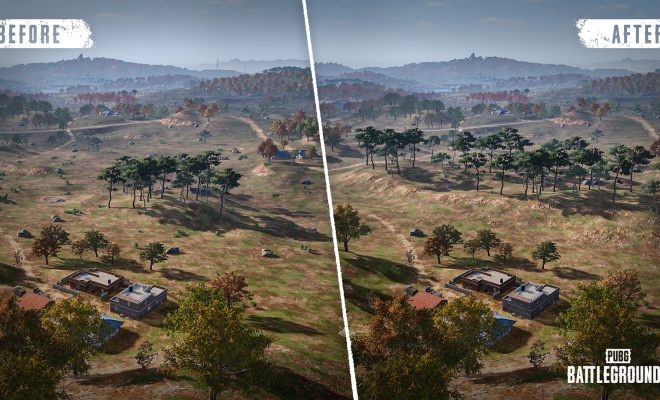
The developers have also shown a commitment to updating and refining existing maps. Erangel 2.0, for instance, was a major overhaul of the original map, improving graphics and adjusting layouts to enhance gameplay.
The diversity of maps has had a significant impact on PUBG’s competitive scene. Professional players and teams must be adaptable, as different maps favor different strategies and weapon loadouts. This variety adds depth to the competitive meta and keeps tournaments exciting for spectators.
Moreover, the constant addition of new maps and refinement of existing ones demonstrates PUBG Corporation’s commitment to keeping the game fresh and engaging. Each new map release is typically accompanied by a wave of returning players eager to explore the new terrain.
In conclusion, the evolution of PUBG’s maps has been a crucial factor in the game’s enduring popularity. From the classic battlegrounds of Erangel to the dynamic landscapes of newer maps like Taego, each addition has brought new challenges and strategies for players to master. As PUBG continues to grow and evolve, players can likely look forward to even more diverse and exciting battlegrounds in the future.