The Elder Scrolls: Blades Shuts Down Permanently in 2024
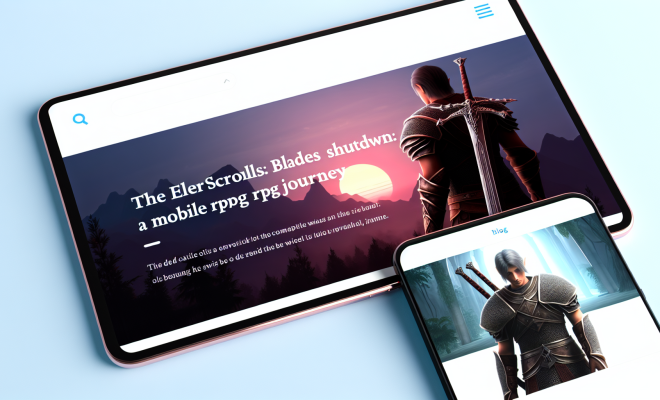
Bethesda’s flagship mobile RPG, The Elder Scrolls: Blades, is officially set to go offline permanently, marking the end of an era for both the game and its dedicated player community. After several years of service, the decision to shut down the game comes as a disappointment to fans who have invested time and resources into the title.
A Brief History of The Elder Scrolls: Blades
Launched in March 2019, The Elder Scrolls: Blades was initially presented as a cutting-edge mobile experience, offering players a glimpse into the expansive world of The Elder Scrolls franchise. With its promise of immersive graphics and gameplay, the game aimed to attract both loyal fans of the series and newcomers alike. Players could create their own characters, engage in dungeon crawling, and build and customize their own towns.
The Player Experience
Despite its ambitious start, Blades faced a myriad of challenges that affected its longevity. Players reported issues with monetization strategies, which were often criticized for being overly aggressive. The game employed a free-to-play model that encouraged in-game purchases, leading to dissatisfaction among segments of its player base who felt that the experience was hindered by paywalls.
Moreover, while the game did receive periodic updates and new content, many players noted that these additions were not sufficient to keep engagement high. This trend is not unique to Blades; it reflects a broader issue within the mobile gaming industry where older titles often struggle to maintain relevance in an ever-evolving market.
The Decision to Sunset
In a recent announcement, Bethesda confirmed that it would no longer provide updates or maintenance for The Elder Scrolls: Blades. The shutdown decision is indicative of a growing trend in the mobile gaming sector, where companies are increasingly choosing to sunset older titles in favor of new projects that can capture the interest of players.
This move raises important questions about the sustainability of mobile games, particularly those that rely heavily on ongoing player engagement and monetization. Bethesda’s decision to discontinue Blades underscores the challenges faced by developers in nurturing long-term player relationships while also addressing financial viability.
The Impact on the Community
The permanent shutdown of Blades will undoubtedly have a significant impact on its community. Many players have formed connections within the game, sharing strategies, tips, and experiences in forums and social media platforms. The loss of the game not only removes a beloved pastime but also dissolves these virtual communities that have built a sense of camaraderie among players.
For those who have invested time and money into Blades, the shutdown serves as a harsh reminder of the ephemeral nature of mobile games. It highlights the importance of developers considering the long-term implications of their titles and the value they provide to their communities.
Looking Ahead: The Future of Mobile Gaming
As Bethesda turns its focus toward new projects, the mobile gaming landscape continues to evolve at a rapid pace. With the increasing demand for high-quality gaming experiences on mobile devices, developers are exploring innovative ways to engage players. This includes the integration of emerging technologies such as augmented reality (AR) and virtual reality (VR), as well as the development of more complex narratives and gameplay mechanics.
Despite the challenges faced by The Elder Scrolls: Blades, the franchise itself remains a powerhouse within the gaming industry. Bethesda has a strong history of creating immersive worlds, and players continue to anticipate future titles that promise to deliver more robust experiences.
Conclusion
The permanent shutdown of The Elder Scrolls: Blades serves as a poignant reminder of the transient nature of mobile titles. As players bid farewell to the game, they are left with memories of their adventures in Tamriel, even as they look forward to what Bethesda will offer in the future. While the end of Blades is a loss for its dedicated fanbase, it also opens the door for new opportunities and innovations in mobile gaming.
In the end, the legacy of The Elder Scrolls: Blades may not just be its gameplay or graphics, but the community it fostered and the lessons learned about the mobile gaming industry as a whole.