Dota 2’s Economy: From Free-to-Play to Esports Millions (2013)

Dota 2’s economic model and its impact on both the gaming industry and esports landscape is a fascinating subject. At its core, Dota 2 is a free-to-play game, but its approach to monetization and the economic ecosystem it has created are unique and influential.
Valve’s decision to make Dota 2 free-to-play was a bold move when the game was released in 2013. Unlike many free-to-play games that lock gameplay elements behind paywalls, Dota 2 provides all heroes and core gameplay features for free. This approach ensures a level playing field for all players, regardless of their willingness or ability to spend money on the game.
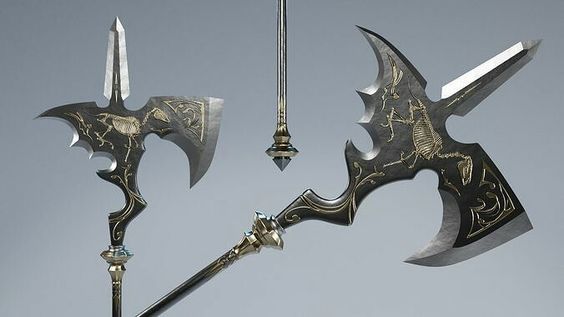
Instead, Dota 2’s monetization primarily comes from cosmetic items. These include hero skins (called sets), custom animations, terrain skins, announcers, and more. These items don’t affect gameplay but allow players to customize their experience and show off their style. The rarity system for these items, ranging from common to arcana and even immortal, creates a collectable aspect that many players find appealing.
One of the most innovative aspects of Dota 2’s economy is the Steam Community Market. This platform allows players to buy and sell in-game items for real money (in the form of Steam Wallet funds). This creates a player-driven economy where rare items can become valuable commodities. Some particularly rare items have sold for thousands of dollars.
The Battle Pass system, introduced in 2013, has become a cornerstone of Dota 2’s economic model. These time-limited passes offer players a progression system with rewards, challenges, and exclusive cosmetics. A portion of Battle Pass sales goes directly into the prize pool for The International, Dota 2’s premier tournament. This crowdfunding model has led to record-breaking prize pools, with The International 10 in 2021 boasting a prize pool of over $40 million.
This economic model has had a significant impact on the esports scene. The massive prize pools of Dota 2 tournaments have helped legitimize esports in the mainstream media and attracted significant investment. It’s not uncommon for top Dota 2 players to earn millions of dollars in prize money over their careers.
The success of Dota 2’s economic model has influenced other games in the industry. Many games now offer battle pass systems and focus on cosmetic microtransactions rather than gameplay-affecting purchases. This trend has generally been positive for players, as it allows games to remain free-to-play without becoming “pay-to-win.”
However, Dota 2’s economy is not without controversies. There have been debates about the gambling-like nature of some cosmetic item systems, particularly “loot boxes” that offer random rewards. Some countries have introduced regulations around these systems, forcing Valve to adjust their approach in certain regions.
The player-driven economy has also faced challenges, including item scams and market manipulation. Valve has had to implement various safeguards and restrictions to protect players and maintain the integrity of the market.
From a broader perspective, Dota 2’s economic success demonstrates the viability of the games-as-a-service model. By continually updating the game and offering new content, Valve has maintained a large, engaged player base years after the game’s initial release. This ongoing revenue stream allows for continued development and support of the game.
Dota 2’s economic model has also fostered a unique relationship between the game’s developer and its community. By tying the game’s biggest tournament directly to player purchases, Valve has created a sense of ownership and investment among the player base. Players feel that by purchasing Battle Passes or other items, they’re directly supporting the game and its competitive scene.
In conclusion, Dota 2’s economic model represents a successful and influential approach to free-to-play gaming. By focusing on player choice, community involvement, and non-intrusive monetization, Dota 2 has created a sustainable ecosystem that benefits players, professional gamers, and developers alike. As the gaming industry continues to evolve, many will undoubtedly look to Dota 2 as a model of how to balance free-to-play accessibility with profitable monetization.