The Democracy Divide: How Social Media Shapes Political Beliefs
Introduction
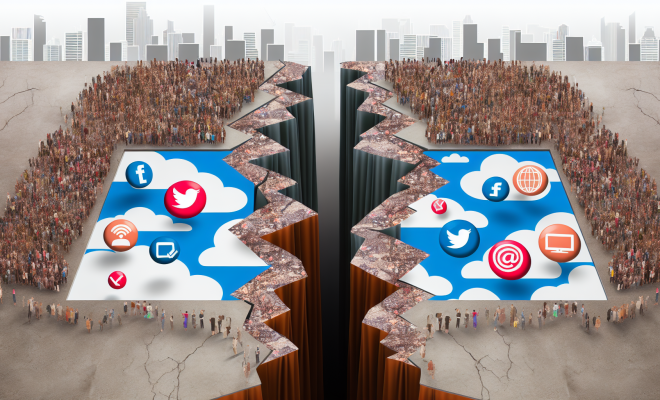
A recent Gallup poll, released on March 31, 2026, has shed light on the complex relationship between social media usage and democratic values in America. The findings indicate a stark divide in political beliefs and attitudes towards democracy between heavy social media users and those who do not engage with these platforms. This article delves into the implications of these findings, highlighting the ideological gaps that may have profound effects on the future of democratic governance.
Key Findings from the Gallup Poll
The Gallup survey reveals that individuals who frequently use social media exhibit significantly different perspectives on democracy compared to their non-user counterparts. Here are some of the most striking statistics from the poll:
- Belief in Citizens’ Power: Only 44% of heavy social media users express confidence in the power of citizens to influence government decisions, compared to 30% of non-users.
- Support for Democracy: A mere 57% of heavy users support democracy as a system of governance, in contrast to 72% of non-users.
- Government Influence Over News: Heavy social media users are more likely to advocate for increased government control over news reporting.
- Executive Power: There is a notable preference among heavy users for stronger executive power, indicating a shift towards authoritarian leanings.
- Endorsement of Violence: Alarmingly, heavy social media users are more inclined to endorse the use of violence to achieve political objectives.
The Ideological Divide
The ideological differences highlighted by the Gallup poll paint a concerning picture of how social media may influence democratic attitudes. The statistics suggest that heavy social media users are less supportive of traditional democratic values, which could have significant ramifications for political discourse and civic engagement.
The 44% belief in citizens’ power among heavy users is especially alarming. This statistic hints at a growing disillusionment with democratic processes, where users may feel that their voices are not adequately represented. In contrast, the 30% belief among non-users suggests a relatively stable confidence in democratic engagement.
Concerns Over Authoritarianism
Perhaps the most troubling aspect of the poll is the apparent shift towards favoring authoritarian governance among social media users. The preference for stronger government control over news and support for increased executive power raises critical questions about the future of free speech and press freedom.
Heavy social media users’ inclination to endorse violence for political ends is a particularly concerning trend. The normalization of aggressive rhetoric and the proliferation of extremist content on social media platforms may be contributing factors to this mindset. It underscores the urgent need for a comprehensive examination of how online interactions shape political beliefs and behaviors.
Social Media’s Role in Shaping Political Views
The rise of social media has transformed the landscape of political communication. While it has provided a platform for marginalized voices, it has also created echo chambers that reinforce existing beliefs. Algorithms that prioritize engagement often promote sensational content, which can skew users’ perceptions of reality.
Moreover, the anonymity afforded by social media can lead to the spread of misinformation, further complicating users’ understanding of democratic principles. Heavy users may consume information that aligns with their biases, leading to a more polarized political environment.
Implications for Democracy
The implications of these findings are profound. If heavy social media users are indeed drifting away from core democratic values, this trend could threaten the foundations of democratic governance in the United States. An informed citizenry is crucial for sustaining democracy, and the survey results suggest a growing disconnect between public sentiment and democratic ideals.
Furthermore, the increasing support for authoritarian measures among heavy users may lead to policies and practices that undermine democratic institutions. As users become more supportive of government control over information and endorse violent means for political change, the potential for democratic backsliding becomes more pronounced.
Conclusion
As social media continues to play a pivotal role in shaping political discourse, understanding its impact on democratic values becomes increasingly essential. The Gallup poll highlights a significant ideological gap between heavy social media users and non-users, raising urgent questions about the future of democracy in the digital age.
Addressing these challenges will require a concerted effort from policymakers, educators, and social media platforms to promote media literacy, encourage healthy political discourse, and uphold democratic principles. Without such efforts, the very fabric of democracy may be at risk, influenced by the pervasive power of social media.