The Creation of Stardew Valley – A Labor of Love
Stardew Valley’s journey from concept to beloved indie hit is a testament to the power of passion and perseverance. Eric Barone, a young developer fresh out of college, set out to create a game that would recapture the magic of classic farming simulations like Harvest Moon. What began as a project to improve his programming skills turned into a four-and-a-half-year solo development odyssey.
Barone wore many hats during the development process, single-handedly creating all aspects of the game: programming, art, music, and writing. This level of dedication allowed for a cohesive vision but also meant long hours and numerous challenges. He faced moments of doubt and setbacks, often rewriting large portions of code or redrawing sprites to meet his exacting standards.
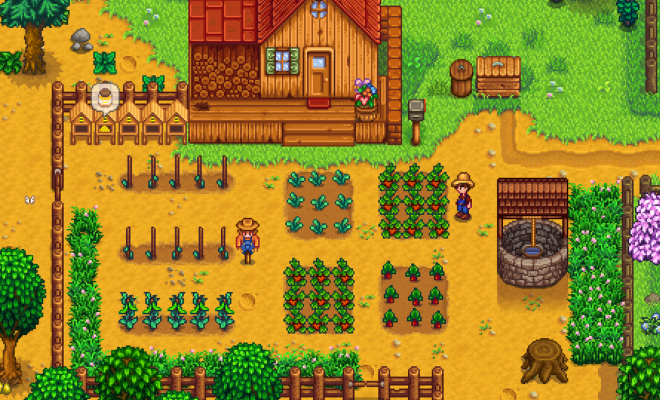
The game’s visual style evolved significantly during development. Initially, Barone aimed for a more realistic aesthetic, but eventually settled on the charming pixel art style that has become iconic. This decision not only gave the game its distinctive look but also allowed for more efficient development.
Music played a crucial role in establishing Stardew Valley’s atmosphere. Barone, with no formal music training, taught himself composition and created over 70 tracks that perfectly capture the game’s various moods and settings. From the upbeat tunes of spring to the melancholic winter melodies, the soundtrack became an integral part of the Stardew Valley experience.
As development progressed, Barone’s ambitions for the game grew. What started as a simple farming simulator expanded to include deep character relationships, dungeon exploration, and a variety of mini-games. This scope creep, while challenging, ultimately contributed to the game’s depth and replayability.
The road to release was not without its hurdles. Barone partnered with publisher Chucklefish to help with the business side of game development, allowing him to focus on completing the game. After numerous delays and a rigorous beta testing phase, Stardew Valley finally launched on February 26, 2016.
The game’s reception exceeded all expectations. It sold over a million copies within two months of release and received critical acclaim for its engaging gameplay, charming aesthetics, and the sheer amount of content. Stardew Valley’s success story resonated with many, inspiring other indie developers and proving that a single person with a clear vision and unwavering dedication could create a game that stands shoulder-to-shoulder with big-budget titles.
Barone’s commitment to the game didn’t end with its release. He continued to support Stardew Valley with free content updates, adding new features, areas to explore, and even multiplayer functionality. This ongoing development further cemented the game’s place in the hearts of its community.
The creation of Stardew Valley is more than just a success story; it’s a reminder of the power of following one’s passion. Eric Barone’s journey from a novice programmer to the creator of one of the most beloved indie games of all time serves as an inspiration to aspiring developers and a testament to the potential of indie game development.