The Birth of a Legend – The Origins of The Legend of Zelda
Introduction
In the annals of video game history, few franchises have left as indelible a mark as The Legend of Zelda. This article delves into the origins of this iconic series, exploring the creative minds behind its inception and the cultural context that shaped its development.
The Visionaries: Shigeru Miyamoto and Takashi Tezuka
The Legend of Zelda was born from the brilliant minds of Shigeru Miyamoto and Takashi Tezuka. Miyamoto, already famous for creating Mario, wanted to craft a game that captured the sense of wonder he felt exploring caves as a child. Tezuka, inspired by fantasy literature, brought a rich narrative approach to the project. Together, they aimed to create a game that would push the boundaries of what was possible on the Nintendo Entertainment System (NES).
Inspiration from Japanese Folklore and Western Fantasy
The game’s world was a unique blend of Japanese folklore and Western fantasy elements. The name “Zelda” was inspired by Zelda Fitzgerald, the wife of American novelist F. Scott Fitzgerald, while many of the game’s creatures and themes drew from Japanese mythology. This fusion of cultural influences would become a hallmark of the series, contributing to its universal appeal.
Technical Innovations
The original Legend of Zelda was groundbreaking in many ways. It was one of the first games to feature a battery-powered save system, allowing players to save their progress and continue their adventure later. This was a significant leap forward in game design, enabling more complex and lengthy adventures.
The Open World Concept
Perhaps most revolutionary was the game’s open-world design. Unlike most games of its time, which followed a linear path, The Legend of Zelda allowed players to explore its world freely. This non-linear approach to gameplay was ahead of its time and would influence game design for decades to come.
The Hero’s Journey
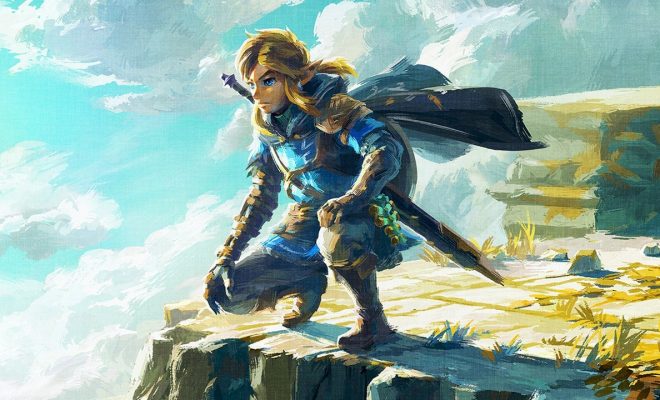
Central to the game’s narrative was the concept of the hero’s journey. Players took on the role of Link, a young hero tasked with saving Princess Zelda and the land of Hyrule from the evil Ganon. This archetypal story structure, combined with the game’s exploration-based gameplay, created a deeply immersive experience.
Reception and Impact
When The Legend of Zelda was released in 1986 in Japan (1987 in North America), it was an immediate success. Critics praised its innovative gameplay, rich world, and challenging puzzles. It quickly became a system-seller for the NES and established Nintendo as a leader in adventure games.
Legacy
The success of the first game laid the foundation for what would become one of the most successful and long-running series in video game history. Each subsequent entry in the series would build upon the core elements established in the original, while introducing new mechanics and storytelling techniques.
Conclusion
The birth of The Legend of Zelda marked a pivotal moment in video game history. It demonstrated the potential of the medium to tell complex stories, create immersive worlds, and provide players with a sense of adventure and discovery. From its humble origins, it grew into a franchise that would shape the gaming landscape and inspire generations of players and developers alike. As we continue to explore the world of Hyrule in new and exciting ways, we owe a debt of gratitude to the visionaries who first brought this legend to life.