The Astonishing 2026 Electric Vehicles That Will Redefine Driving
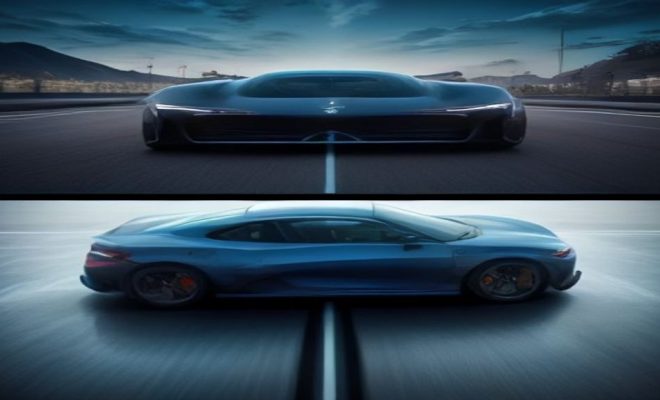
You’ve probably noticed the electric vehicle landscape shifting dramatically over the last few years. What started as a niche, almost experimental corner of the automotive world has exploded into a full-blown revolution. And if you think things have been exciting so far, just wait until you see what’s coming. The year 2026 is shaping up to be a truly pivotal moment, bringing a wave of new models that promise to address nearly every concern drivers have ever had about going electric. We’re talking about advancements in range, affordability, charging infrastructure, and even the driving experience itself. If you’ve been on the fence, or perhaps even a skeptic, the lineup of 2026 electric vehicles might just be what finally converts you.
It’s no secret that consumers often compare EVs based on a few critical factors: how far can it go on a charge? What’s the sticker price, and are there any incentives to help? How fast can I top up the battery, and will it degrade quickly? These are valid questions, and automakers are finally delivering some compelling answers. From luxury cruisers to practical family haulers and even rugged off-roaders, the diversity in the upcoming 2026 EV market is staggering. Forget the notion that electric cars are all the same; this new generation is set to offer something for everyone, making the transition to electric not just a greener choice, but a genuinely better one for many.
1. Audi A6 E-Tron: Luxury, Reimagined for the Electric Age
Audi has always been synonymous with sophisticated design and refined performance, and their upcoming A6 E-Tron is poised to carry that torch directly into the electric era. This isn’t just an electric version of the current A6; it’s a completely reimagined luxury sedan built from the ground up on the Premium Platform Electric (PPE) architecture, co-developed with Porsche. What does that mean for you? Expect breathtaking aesthetics, with a sleek, aerodynamic profile that hints at its efficiency and performance. The concept car showcased a truly striking presence, and while production models always see some tweaks, the core design language is expected to remain.
Beyond its good looks, the A6 E-Tron is set to deliver serious performance. We’re talking about a dual-motor setup that could produce around 469 horsepower and a whopping 590 pound-feet of torque, potentially launching this elegant sedan from 0 to 60 mph in under four seconds. That’s sports car territory in a luxury package. And for those concerned about range, Audi is targeting a substantial 400 miles on a single charge, which should alleviate much of that range anxiety for most drivers. Plus, with 800-volt charging architecture, you could see a significant battery top-up in a remarkably short amount of time, making road trips far less stressful. This combination of luxury, performance, and practicality makes it a standout among the 2026 electric vehicles.
2. Audi Q6 E-Tron: The SUV That Blends Performance and Family Life
For many families, an SUV is the default choice, and Audi isn’t forgetting that demographic in their electric push. The Q6 E-Tron, also built on the versatile PPE platform, is essentially the SUV counterpart to the A6 E-Tron, promising a similar blend of cutting-edge technology and premium comfort in a more spacious, utility-focused package. Think of it as the perfect marriage of Audi’s SUV prowess with the undeniable benefits of electric propulsion. It’s designed to compete directly with models like the BMW iX and Mercedes-Benz EQE SUV, and given Audi’s track record, it’s likely to be a formidable contender.
While specific power figures are still being finalized, it’s safe to assume the Q6 E-Tron will share much of its powertrain technology with the A6 E-Tron, meaning robust performance and excellent efficiency. Expect dual-motor all-wheel drive to be standard or widely available, providing confident handling in various conditions. The interior is also expected to be a technological showcase, featuring multiple large screens and Audi’s latest MMI infotainment system, all wrapped in high-quality materials. For families looking to make the switch to electric without sacrificing space, comfort, or a premium feel, the Q6 E-Tron will be a very compelling option among the 2026 electric vehicles.
3. Cadillac Escalade IQ: The Iconic SUV Goes All-Electric
The Cadillac Escalade has long been the pinnacle of American luxury SUVs, a statement piece known for its commanding presence and opulent interior. Now, it’s going fully electric with the Escalade IQ, and frankly, it looks set to redefine what a luxury electric SUV can be. Built on GM’s Ultium platform, which underpins several other exciting EVs, the Escalade IQ retains the unmistakable Escalade silhouette but infuses it with futuristic design cues and an all-electric powertrain. This isn’t just an EV; it’s a bold declaration from Cadillac that electric can be every bit as grand, if not grander, than its gasoline-powered predecessors.
The numbers are impressive. Cadillac is targeting a staggering 450 miles of range on a full charge, which would put it at the very top of the EV SUV segment. Power is equally formidable, with up to 750 horsepower and 785 pound-feet of torque available in ‘Velocity Max’ mode, allowing this massive SUV to hit 60 mph in under five seconds. Inside, you’ll find a truly jaw-dropping 55-inch curved LED display stretching across the dashboard, providing an immersive digital experience for both driver and passenger. With features like four-wheel steering for enhanced maneuverability and available Super Cruise hands-free driving, the Escalade IQ is not just an EV; it’s a technological tour de force, making it a must-see in the 2026 electric vehicles lineup.
4. Dodge Charger Daytona: Muscle Car Thunder, Electrified
For decades, the Dodge Charger has been synonymous with raw, unapologetic American muscle. The idea of an electric Charger might have seemed sacrilegious to some just a few years ago, but Dodge is embracing the future with the Charger Daytona. This isn’t just an EV; it’s an e-muscle car, designed to deliver the visceral thrill of a Charger with the instant torque and silent power of an electric powertrain. The concept car, the Daytona SRT, gave us a clear preview, featuring a bold, aggressive design that still unmistakably screams ‘Charger’. It’s a brave new world for muscle car enthusiasts, and Dodge is leading the charge. (See: Electric Vehicles Overview.)
The Charger Daytona is expected to offer a range of power outputs, potentially starting around 450 horsepower and climbing past 800 horsepower for the top-tier ‘Banshee’ models. Dodge is even developing a multi-speed transmission for their electric muscle cars, aiming to replicate the tactile experience of shifting gears, a feature almost unheard of in EVs. And perhaps most controversially, but certainly innovatively, they’re working on an ‘exhaust’ system that mimics the sound of a supercharged V-8, because let’s be honest, part of the muscle car experience is the soundtrack. This commitment to maintaining the ‘muscle’ in electric muscle car makes the Charger Daytona one of the most intriguing 2026 electric vehicles for performance enthusiasts.
5. Hyundai Ioniq 7: The Family SUV Goes Boldly Electric
Hyundai has already made a significant splash in the EV market with its Ioniq 5 and Ioniq 6 models, known for their distinctive styling and impressive technology. The Ioniq 7 is set to expand that family, bringing a larger, three-row SUV into the fold. This isn’t just a stretched Ioniq 5; it’s expected to be a significantly more substantial vehicle, designed to compete with models like the Kia EV9 and Mercedes-Benz EQB. The concept, dubbed the SEVEN, showcased a truly futuristic aesthetic with unique lighting elements and a lounge-like interior, suggesting Hyundai isn’t afraid to push design boundaries even in a family-oriented vehicle.
Built on the E-GMP platform, the Ioniq 7 will leverage its 800-volt architecture for ultra-fast charging, capable of replenishing the battery from 10 to 80 percent in as little as 18 minutes with a powerful enough DC fast charger. Range is expected to be competitive, likely exceeding 300 miles on a single charge. The interior, if the concept is any indication, will be a minimalist yet highly functional space, prioritizing comfort and connectivity for all passengers. For larger families or those who simply need more space, the Ioniq 7 represents a compelling, stylish, and technologically advanced option among the 2026 electric vehicles.
6. Jeep Recon: The Wrangler’s Electric Off-Road Companion
Jeep is an icon of off-road capability, and the thought of an electric Jeep might have seemed contradictory to some. But the Jeep Recon is here to prove that electrification can enhance, not diminish, rugged performance. Positioned as a dedicated off-roader, the Recon is clearly inspired by the legendary Wrangler, featuring removable doors and a removable roof for that open-air experience. However, it’s not a direct electric replacement for the Wrangler; it’s a distinct model designed specifically for electric propulsion and extreme capability. This is Jeep’s answer to the Ford Bronco and Rivian R1S, but with a uniquely Jeep flavor.
Details on the powertrain are still emerging, but expect serious capability. Jeep has promised features like Selec-Terrain traction management, e-locker axle technology, and aggressive off-road tires, ensuring the Recon lives up to the brand’s reputation. The instant torque delivery of electric motors is actually a huge advantage for off-roading, providing precise control and immense power exactly when needed for climbing obstacles or navigating tricky terrain. For adventurers who want to explore the wilderness with zero emissions and even greater capability, the Jeep Recon is undoubtedly one of the most exciting 2026 electric vehicles on the horizon.
7. Mercedes-Benz G-Class EV (EQG): The Ultimate Off-Roader Goes Silent
The Mercedes-Benz G-Class, or G-Wagen, is another automotive legend, renowned for its boxy, imposing presence and unparalleled off-road prowess. Taking such an iconic, rugged vehicle and electrifying it is a monumental task, but Mercedes-Benz is doing just that with the EQG. This isn’t a toned-down version; it’s designed to be every bit as capable as its gasoline counterpart, if not more so, thanks to the unique advantages of electric power. It’s a statement that even the most hardcore off-roaders can and will go electric.
The EQG is expected to feature a quad-motor setup, with each wheel powered by its own electric motor. This allows for incredible torque vectoring and precise control, enabling advanced features like the ‘G-Turn,’ which allows the vehicle to spin on its own axis. Imagine the capability this offers on challenging trails! While details on battery size and range are still under wraps, expect a substantial battery pack to ensure ample range, even during demanding off-road excursions. The EQG is set to be a technological marvel, combining the G-Wagen’s timeless appeal with cutting-edge electric performance, making it a truly exceptional addition to the 2026 electric vehicles lineup.
The Broader Landscape of 2026 Electric Vehicles
Beyond these highly anticipated models, 2026 is shaping up to be a year of incredible diversity and innovation across the entire EV spectrum. You’ll see more affordable options emerging, addressing one of the biggest barriers to EV adoption. Brands like Chevrolet are expanding their electric truck and SUV offerings, building on the success of models like the Blazer EV and Equinox EV. Ford is consistently pushing boundaries with its F-150 Lightning, and we can expect further refinements and new variants in the coming years. Even luxury brands like Porsche are deeply committed, with electric versions of their Macan and Cayenne SUVs in the pipeline, ensuring that performance and prestige remain core to their electric future.
The technological advancements aren’t just about faster charging or longer range, though those are certainly key. We’re seeing rapid evolution in battery chemistry, moving towards solid-state batteries that promise even greater energy density, faster charging, and improved safety. Software integration is becoming more sophisticated, allowing for over-the-air updates that can improve performance, add new features, and enhance the user experience throughout the vehicle’s lifespan. These are not just cars; they are highly advanced, connected devices on wheels, and the 2026 models will push that concept even further.
Addressing Common EV Concerns
One of the persistent concerns for potential EV buyers has been ‘range anxiety’ – the fear of running out of charge before reaching a charging station. As you can see from the models discussed, many automakers are pushing ranges well past 300 miles, with some even hitting 400 or 450 miles. For most drivers, even those with longer commutes, this comfortably covers daily needs and makes longer trips much more feasible. The continued expansion of public charging infrastructure, both fast DC chargers and Level 2 stations, also helps mitigate this worry, making it easier than ever to find a place to plug in.
Another common point of hesitation is battery degradation. While all batteries naturally degrade over time, modern EV batteries are designed to last for hundreds of thousands of miles, often with warranties covering them for 8 to 10 years or 100,000 miles. Automakers are continuously improving battery management systems to optimize their lifespan and efficiency. Furthermore, the total cost of ownership for EVs often proves to be lower than comparable gasoline cars due to reduced fuel costs, lower maintenance requirements (no oil changes, fewer moving parts), and various tax incentives and rebates that can significantly offset the purchase price. (See: Recent Trends in Electric Vehicles.)
The Impact on Charging Infrastructure and Home Energy
The influx of advanced 2026 electric vehicles will undoubtedly place more demands on charging infrastructure, both public and private. We’re already seeing a massive build-out of fast-charging networks like Electrify America and EVgo, and automakers themselves are investing heavily in their own networks, like Tesla’s Superchargers opening to other brands. This competition and collaboration are good for consumers, leading to more reliable and accessible charging options.
For many EV owners, the most convenient way to charge is at home. This often involves installing a Level 2 charger, which can fully charge a vehicle overnight. Integrating an EV with a home solar system is also becoming increasingly popular, allowing owners to essentially fuel their cars with sunshine, further reducing their carbon footprint and electricity bills. As Vehicle-to-Grid (V2G) and Vehicle-to-Home (V2H) technologies advance, EVs will even be able to power homes during outages or send energy back to the grid, transforming them into mobile power banks and making them an even more integral part of sustainable living.
Looking Ahead: Why 2026 Matters So Much
The year 2026 isn’t just another year for new car models; it represents a significant acceleration in the electric vehicle revolution. The vehicles coming out then aren’t just incremental improvements; many are ground-up designs that leverage the full potential of electric powertrains and purpose-built EV platforms. They address core consumer needs, push boundaries in design and technology, and offer a level of choice and capability that was unthinkable just a few years ago. From luxury sedans to rugged off-roaders and spacious family SUVs, the 2026 electric vehicles are poised to make a compelling case for widespread adoption.
Ultimately, the automotive world is undergoing a profound transformation. The shift to electric is no longer a question of ‘if,’ but ‘how fast.’ And if the stunning lineup of 2026 models is any indication, that shift is happening at an electrifying pace, promising a cleaner, quieter, and arguably more exciting driving future for all of us.
The Global Picture: Beyond North America
While we’ve focused on specific models likely to hit the North American market, it’s important to remember that the push for electric vehicles is a global phenomenon. Europe, with its stringent emissions regulations and robust charging networks, is seeing equally impressive growth. Countries like Norway already have EV adoption rates over 80% for new car sales, offering a glimpse into a potential future for other regions. Asian markets, particularly China, are also massive drivers of EV innovation and sales, with many domestic brands producing cutting-edge electric models that might eventually make their way to other shores. The competition on a global scale is intense, pushing manufacturers worldwide to innovate faster, offer better value, and expand their electric portfolios.
This global competition directly benefits consumers everywhere. As automakers compete for market share, we see faster development, more diverse options, and ultimately, better prices. Partnerships between companies, like Audi and Porsche’s PPE platform, also help accelerate development and share costs, which can translate into more affordable or feature-rich vehicles. This interconnectedness means that advancements made in one part of the world often ripple across the globe, bringing new technologies and designs to everyone.
Sustainable Manufacturing and Ethical Sourcing
As the production of 2026 electric vehicles ramps up, so does the scrutiny on their environmental footprint beyond just tailpipe emissions. The industry is increasingly focusing on sustainable manufacturing processes, from sourcing raw materials like lithium and cobalt to the energy used in assembly plants. Many automakers are setting ambitious targets for carbon neutrality in their production facilities and exploring closed-loop recycling systems for batteries at the end of their life cycle. This involves designing batteries for easier recycling and investing in facilities that can efficiently recover valuable materials.
Ethical sourcing of materials is another critical area. Concerns about labor practices and environmental impact in mining operations for battery components are leading companies to implement stricter supply chain transparency and work towards certified, responsible sourcing. This commitment to sustainability throughout the entire product lifecycle, not just during operation, is becoming a key differentiator for brands and an important consideration for environmentally conscious consumers.
The Evolving Role of Government Incentives
Government incentives have played a significant role in accelerating EV adoption, and they’ll continue to shape the market for 2026 electric vehicles. Tax credits, rebates, and other perks can make the upfront cost of an EV more palatable, helping to close the price gap with gasoline-powered cars. However, these incentives often come with stipulations, such as requirements for battery components and vehicle assembly to occur in specific regions, aimed at boosting domestic manufacturing and job creation. (See: Electric Vehicles in Engineering.)
These policies can directly influence which models qualify for benefits, affecting consumer choices. As the market matures and EV prices come down naturally, we might see a shift in the type of incentives offered, perhaps moving towards supporting charging infrastructure or encouraging the development of next-generation battery technologies. Staying informed about local, state, and federal incentives is crucial for anyone considering an EV purchase in 2026 and beyond.
Frequently Asked Questions About 2026 Electric Vehicles
Q1: Will 2026 electric vehicles be more affordable?
A1: Yes, affordability is a key focus. While some luxury models will remain premium, many automakers are introducing more mass-market EVs. Increased competition, economies of scale in manufacturing, and advancements in battery technology are all contributing to lower prices. Additionally, government incentives and the lower total cost of ownership (due to reduced fuel and maintenance costs) make EVs increasingly financially attractive.
Q2: What kind of range can I expect from 2026 EVs?
A2: Many 2026 electric vehicles are targeting ranges well over 300 miles on a single charge, with some premium models aiming for 400-450 miles. This extended range significantly reduces ‘range anxiety’ for most drivers, making long trips much more feasible.
Q3: How fast will these new EVs charge?
A3: A significant number of 2026 EVs will feature 800-volt charging architecture, allowing for incredibly fast charging times. This means you could potentially add hundreds of miles of range in as little as 15-30 minutes at a high-power DC fast charger, depending on the vehicle and charger output.
Q4: Are there specific safety advancements in 2026 electric vehicles?
A4: Absolutely. EVs often have a lower center of gravity due to battery placement, which can improve stability and reduce rollover risk. Automakers are also integrating advanced driver-assistance systems (ADAS) like enhanced automatic emergency braking, lane-keeping assist, and sophisticated sensor arrays. New battery designs also incorporate advanced thermal management and crash protection features for improved safety.
Q5: Will there be enough charging stations for all these new EVs?
A5: The expansion of public charging infrastructure is accelerating to meet demand. Governments and private companies are investing heavily in building more Level 2 and DC fast charging stations across highways and urban areas. While challenges remain in some rural regions, the trend is towards significantly improved charging accessibility by 2026.
Trending Now
Frequently Asked Questions
What are the top electric vehicles coming in 2026?
The 2026 electric vehicle lineup features a variety of models, including the Audi A6 E-Tron, which is a luxury sedan designed on the Premium Platform Electric architecture. Other notable mentions include practical family vehicles and rugged off-roaders, showcasing a diverse range that caters to different consumer needs.
How will the 2026 electric vehicles improve driving range?
The 2026 electric vehicles are expected to offer significant improvements in driving range, addressing one of the most critical concerns for consumers. Automakers are making advancements in battery technology and efficiency, ensuring that many of the new models will provide longer distances on a single charge.
What factors should I consider when buying an electric vehicle in 2026?
When purchasing an electric vehicle in 2026, consider factors such as driving range, price, available incentives, charging speed, and battery longevity. These elements are crucial for determining the overall value and practicality of an electric vehicle for your lifestyle.
Are 2026 electric vehicles affordable?
The upcoming 2026 electric vehicles are expected to be more affordable than previous models, with a range of pricing options available. Additionally, various incentives may help reduce the overall cost, making electric vehicles a more accessible choice for a wider audience.
What advancements are being made in electric vehicle charging infrastructure?
Significant advancements are being made in electric vehicle charging infrastructure ahead of 2026. This includes the expansion of fast-charging stations, improved charging speeds, and increased accessibility, all aimed at making the transition to electric vehicles more convenient for consumers.
What's your take on this? Share your thoughts in the comments below — we read every one.