The Art of Coaster Design in RollerCoaster Tycoon 3
Introduction
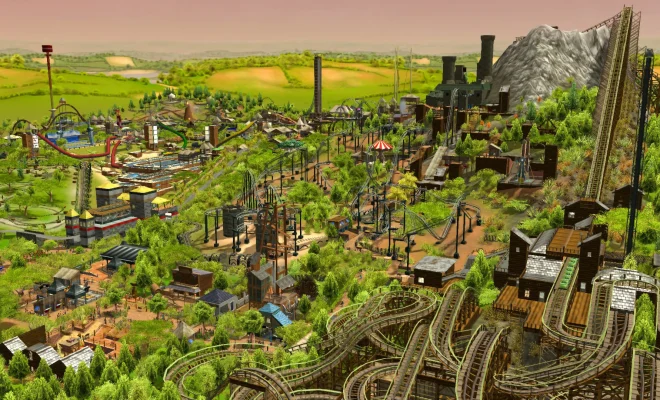
RollerCoaster Tycoon 3 (RCT3) elevated the art of virtual coaster design to new heights. With its 3D environment and advanced physics engine, the game offered players unprecedented freedom to create thrilling and innovative roller coasters. In this article, we’ll explore the intricacies of coaster design in RCT3, from basic principles to advanced techniques that can help you create the ultimate thrill ride.
Understanding the Basics
Before diving into complex designs, it’s crucial to understand the fundamental elements of coaster building in RCT3. The game offers a variety of coaster types, each with its own unique characteristics and building constraints. From classic wooden coasters to modern steel behemoths, each type requires a different approach to design.
Key elements to consider include:
- Track type and material
- Support structures
- Lift hill mechanics
- G-force limits
- Speed and momentum
The Importance of Terrain
One of RCT3’s strengths is its terrain editor, which allows players to shape the land to complement their coaster designs. Utilizing the natural (or artificially created) landscape can add excitement to your rides. Consider incorporating elements like:
- Tunnels through mountains
- Drops that follow the contour of hills
- Water features for splashdowns
- Terrain-hugging turns for added thrill
Balancing Excitement and Intensity
A well-designed coaster in RCT3 strikes a balance between excitement and intensity. While high-speed drops and inversions can increase a ride’s thrill factor, too many intense elements can make a coaster uncomfortable or even nauseating for virtual riders. Pay attention to the ride stats provided by the game, which give feedback on excitement, intensity, and nausea ratings.
Advanced Design Techniques
As you become more comfortable with the basics, you can start incorporating advanced design elements:
- Custom Support Structures: Create unique support designs to give your coaster a distinct look.
- Synchronized Elements: Design multiple tracks that intertwine or run parallel for a more dynamic ride experience.
- Scenery Integration: Use the scenery editor to build themed environments around your coaster, enhancing the overall experience.
- Underground Sections: Utilize the 3D capabilities to create subterranean segments for added surprise and thrill.
- Mixed Coaster Types: Combine different coaster types for hybrid designs that offer varied experiences within a single ride.
Utilizing the Coaster Cam
One of RCT3’s most innovative features is the ability to ride your own creations. The Coaster Cam allows you to experience your design from a first-person perspective. This tool is invaluable for fine-tuning your coaster, helping you identify areas that may need adjustment for smoother transitions or added excitement.
Learning from Real-World Coasters
RCT3 allows for a level of realism that makes it possible to recreate existing coasters or draw inspiration from real-world designs. Studying actual roller coasters can provide insights into effective track layouts, pacing, and theming that you can apply to your virtual creations.
The Role of Theming
While the track layout is crucial, theming plays a significant role in creating a memorable coaster experience. RCT3 offers a wide array of theming options, allowing you to create immersive environments that complement your coaster design. Consider:
- Themed queue lines
- Custom scenery and props
- Lighting effects
- Sound design
Testing and Iteration
No great coaster design is perfect on the first try. RCT3’s testing tools allow you to refine your creation based on data and guest feedback. Pay attention to:
- Speed graphs
- G-force readings
- Guest comments
- Overall ratings
Don’t be afraid to make adjustments and re-test until you achieve the desired results.
Sharing Your Creations
One of the joys of coaster design in RCT3 is sharing your creations with others. The game’s robust community features allow you to export your designs and share them online. This not only showcases your work but also allows you to receive feedback and inspiration from other players.
Conclusion
Coaster design in RollerCoaster Tycoon 3 is a blend of art, science, and creativity. By mastering the basic principles, utilizing advanced techniques, and paying attention to theming and guest experience, you can create roller coasters that are not just thrilling but also aesthetically pleasing and fun to ride. Whether you’re aiming to recreate real-world classics or design the next generation of virtual thrill rides, RCT3 provides the tools and flexibility to bring your coaster dreams to life. As you continue to experiment and refine your designs, you’ll find that the possibilities for innovation in RCT3 are as endless as the excitement of the coasters themselves.